Urban commuting is changing fast, and electric scooters are emerging as a practical solution for city travel. Riders now look for more than just affordability; they want comfort, reliability, and technology that fits their daily routine.
As you explore options, you’ll notice that the price of an e-scooter can differ widely between models, even within the same brand. A combination of unseen design choices, performance factors, and market considerations influences how each scooter is priced. These differences reflect variations in performance, battery design, features, materials, and market positioning.
Understanding what drives these costs helps buyers make smarter choices and find a scooter that offers the right balance of value, usability, and long-term ownership satisfaction. Let’s examine the seven key reasons why prices vary.
Factors That Influence the Price of an E-scooter
Several technical, operational, and market factors determine why scooters are priced differently. The following seven aspects explain these variations clearly.
1. Differences in Battery Technology and Longevity
Battery type, energy density, and lifespan are among the most significant cost factors. Scooters with high-capacity lithium-ion batteries, faster charging, or advanced thermal management systems often have a higher price than an e-scooter.


These batteries provide extended range, reduce charging frequency, and improve long-term reliability. For buyers, evaluating battery performance relative to daily commuting needs can help determine whether the additional cost is justified.
Battery replacement and maintenance costs also add to long-term ownership expenses, making battery quality a key factor in total cost. Manufacturers continuously improve battery efficiency, which can influence pricing across different models.
2. Variations in Motor Design and Output
Motor power, efficiency, and design directly influence performance and cost. Scooters with high-powered motors provide smoother acceleration, better hill climbing, and enhanced ride stability, which naturally increases the price of an e-scooter.
Advanced motor technology can also improve energy efficiency and reduce wear over time. Riders should match motor capabilities to commuting requirements to ensure they pay for performance that is relevant to their usage.
High-end motors often incorporate advanced cooling systems or smart controllers, which further increase cost. The difference in motor quality can affect both ride comfort and energy consumption, making it a critical factor in pricing.
3. Inclusion of Smart Features and Digital Connectivity
Modern scooters often integrate smart features such as mobile app connectivity, GPS navigation, digital dashboards, and ride analytics. These conveniences enhance usability, safety, and monitoring, but they also contribute to the higher price of an e-scooter.
Features like anti-theft alerts, regenerative braking displays, and OTA software updates make commuting easier and justify additional investment for riders who prioritise technology in their daily travel.
Some models offer advanced telematics, service reminders, and remote diagnostics, adding extra value. Buyers who value digital convenience often find that these features improve both security and the overall ride experience.
4. Quality of Materials and Structural Build
The materials used in a scooter’s frame, suspension system, and seating affect both comfort and durability. Scooters with premium frames, ergonomic seats, and advanced suspension systems typically command a higher price than an e-scooter.
High-quality construction reduces maintenance issues, enhances ride stability, and increases long-term reliability. Buyers should consider material quality alongside cost to ensure the scooter meets daily commuting needs efficiently.
Frames with corrosion-resistant coatings or reinforced designs improve longevity, while superior seat materials enhance comfort for long rides. Structural quality also impacts resale value, making it a critical consideration when evaluating models.
5. Range of Model Variants and Custom Options
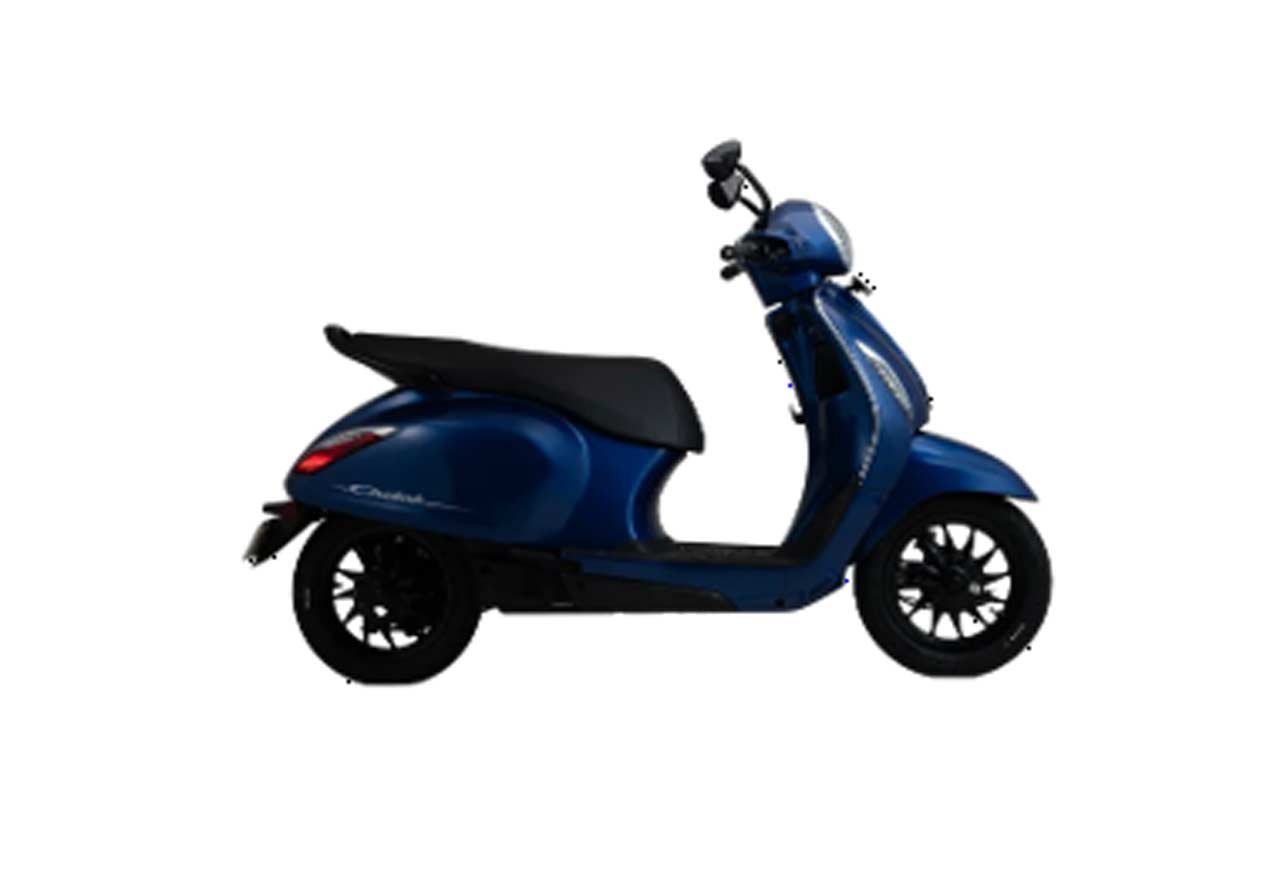
Manufacturers often offer multiple trims and optional add-ons. Premium variants with larger batteries, enhanced features, or customised accessories carry a higher price of an e-scooter than basic models.
Optional upgrades such as storage compartments, colour choices, or tech enhancements also affect pricing. Understanding these variant options helps buyers select a model that balances desired features with budget constraints.
Limited edition or upgraded trims can include exclusive styling, additional safety tech, or performance enhancements, which drive the price higher. Comparing base and premium versions helps buyers understand whether additional features justify the cost.
Making Sense of E-ccooter Prices for Smarter Choices
Understanding the factors behind the price of an e-scooter allows buyers to navigate the market with confidence. Each model reflects decisions regarding battery life, motor power, features, build quality, and brand positioning, which collectively determine cost.
By considering daily commuting requirements, charging availability, and long-term usability, riders can identify models that deliver both performance and value. Brands like the Bajaj Chetak demonstrate how careful design, integrated technology, and reliability combine to offer meaningful benefits.
Comparing variants, leveraging incentives, and prioritising essential features ensure a scooter fits both lifestyle and budget. Evaluating these elements turns price differences into actionable insights, helping buyers make smarter, more satisfying choices.