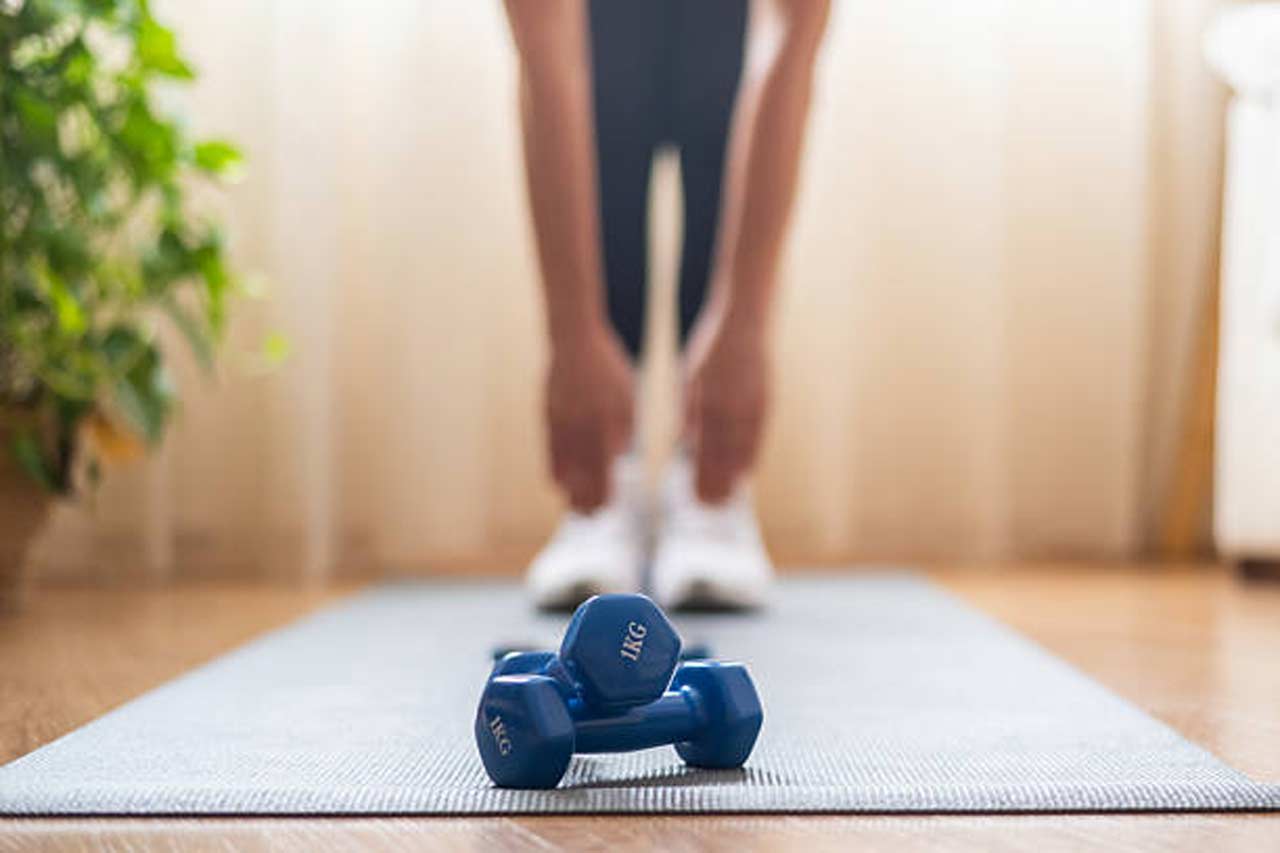
Staying active is only one part of taking care of your body. Whether you exercise regularly, spend long hours at a desk, travel frequently, or simply have a busy daily schedule, giving your body time to recover is just as important.
The good news is that recovery does not always require an expensive gym membership or a trip to a wellness center. With a few simple habits, it is possible to create a practical recovery routine at home that fits into an ordinary day.
Start With Gentle Movement
One of the simplest ways to support recovery is to keep moving.
After sitting at a desk for several hours, for example, getting up and walking around for a few minutes can be more useful than remaining in the same position. Gentle stretching can also be included before or after physical activity.
The goal is not to turn every recovery session into another workout. Instead, focus on comfortable movements that help you stay mobile without putting additional strain on the body.


For people who exercise regularly, this can mean spending a few minutes walking and stretching after a workout rather than immediately moving on to the rest of the day.
Make Time for Rest
Recovery also requires actual rest.
It can be tempting to think that exercising more will always produce better results, but the body needs time between demanding activities. Rest days can give tired muscles time to recover and can make it easier to maintain a consistent exercise routine over the long term.
Rest does not necessarily mean spending the entire day doing nothing. A light walk, gentle mobility work or simply getting enough sleep can all be part of a recovery-focused day.
Sleep deserves particular attention. A consistent sleep schedule and a comfortable sleeping environment can make a significant difference to how refreshed you feel the next morning.
Consider Heat for Everyday Muscle Relaxation
Heat is another simple option that many people incorporate into their home routines.
Warmth can help muscles feel more relaxed and may provide temporary relief from the discomfort associated with everyday stiffness. This is one reason why heating pads have remained popular despite the increasing number of high-tech wellness products available today.
Modern heating pads are also more convenient than older designs. Many models offer multiple heat settings, automatic shut-off timers and shapes designed to sit comfortably around areas such as the back, shoulders or legs.
For example, a home-use heating pad from Comfytemp can be used as part of a personal relaxation routine while reading, watching television or winding down before bed.
The important thing is to use heat appropriately. A heating pad should feel comfortably warm rather than excessively hot, and users should follow the manufacturer’s instructions regarding temperature, duration and safe use.
Heat is also not appropriate for every situation. If you have a recent injury, significant swelling, unexplained pain or a medical condition that affects your ability to sense temperature, it is worth asking a healthcare professional whether heat therapy is suitable for you.
Don’t Forget About Hydration
Hydration is another basic part of recovery that is easy to overlook.
After physical activity, particularly in warm conditions, replacing fluids can help support normal bodily functions. You do not necessarily need a complicated sports drink routine for everyday exercise. For many people, drinking enough water throughout the day is a more practical starting point.
Keeping a reusable water bottle nearby can make this habit easier. It also removes one of the common barriers to staying hydrated: simply forgetting to drink.
If you exercise for long periods or sweat heavily, your fluid and electrolyte needs may be different, so your approach should take the intensity and conditions of your activity into account.
Create a Recovery Space
A dedicated recovery area can make healthy habits easier to maintain.
This does not have to be an entire room. A comfortable chair, yoga mat, small table and a few useful accessories may be enough.
The idea is to create a place where you can stretch, relax or spend a few quiet minutes away from your usual work environment.
This can be especially useful for people who work from home. When the same room serves as an office, dining area and living space, it can become difficult to establish a clear boundary between work and rest.
Even a small change, such as moving away from the desk for ten minutes after finishing work, can help create a clearer transition.
Use Technology When It Makes the Routine Easier
Technology can also play a role in home recovery, although more technology does not automatically mean better results.
Wearable devices can help people monitor activity and sleep. Massage devices, heating products and electrical stimulation devices are also available for home use.
TENS units, for example, use mild electrical impulses delivered through electrodes placed on the skin and are commonly used as part of pain-management routines. They are different from EMS devices, which are designed to stimulate muscles.
Anyone considering an electrical stimulation device should read the instructions carefully and make sure the device is appropriate for their circumstances. People with certain medical conditions or implanted electronic devices may need professional advice before using one.
The best technology is often the technology that you will actually use consistently.
Keep the Routine Simple
A common mistake is trying to create a complicated recovery schedule that takes an hour or more every day.
A simpler routine is often easier to maintain.
For example, someone might take a short walk after work, spend five to ten minutes doing gentle stretches, drink some water and then use a heating pad while relaxing in the evening.
Another person may prefer a longer stretching session after exercise and a few quiet minutes before bed.
There is no single recovery routine that works for everyone. The useful part is finding a combination of habits that fits naturally into your schedule.
Know When Home Recovery Is Not Enough
Home recovery can be useful for everyday comfort, but it should not replace professional medical care when it is needed.
Persistent or worsening pain, significant injuries, unusual swelling, numbness, weakness or other concerning symptoms should be evaluated by an appropriate healthcare professional.
It is also worth remembering that a wellness product is designed for a specific purpose. A heating pad can provide warmth and temporary comfort, but it does not diagnose the reason behind pain or treat every underlying condition.
Knowing when to use a simple home routine and when to seek professional advice is an important part of responsible self-care.
Recovery Should Be Part of the Routine, Not an Afterthought
A good recovery routine does not need to be complicated or expensive.
Regular movement, adequate rest, good hydration, quality sleep and simple relaxation techniques can provide a practical foundation. Products such as heating pads can then be added when they make a particular part of the routine more comfortable or convenient.
The biggest benefit comes from consistency. Instead of waiting until your body feels completely exhausted before thinking about recovery, making a small amount of time for it every day can be a much more sustainable approach.
For people who want to stay active, work comfortably and maintain their everyday wellbeing, recovery does not have to be another demanding task on the schedule. It can simply become part of how they take care of themselves at home.