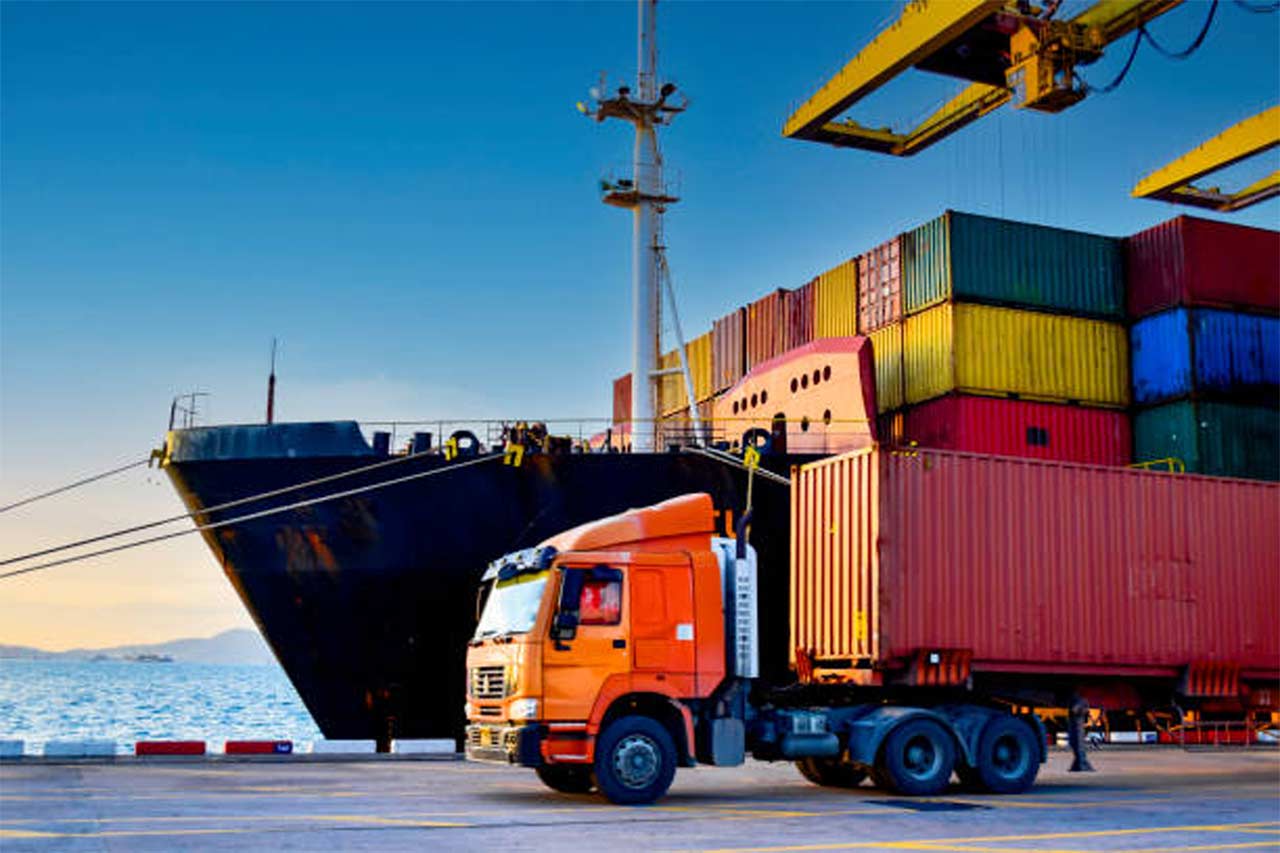
Shipping a vehicle from the U.S. mainland to Hawaii is a very different experience from standard cross-country auto transport. Instead of traveling entirely by truck, your vehicle becomes part of an ocean freight shipment that involves multiple stages, strict documentation requirements, port inspections, and scheduled vessel departures.
Most ports do an excellent job explaining where to drop off your vehicle and what paperwork you’ll need. What they don’t always explain are the practical details that can affect your timeline, your budget, and your overall shipping experience.
Many customers researching Navi’s Hawaii car shipping services discover that understanding these lesser-known details before booking helps them avoid unnecessary delays and unexpected costs.
This guide covers what ports often don’t tell you about shipping a vehicle to Hawaii in 2026.


Your Shipment Starts Long Before the Port
Many people think vehicle shipping begins when they arrive at the port.
In reality, planning should begin several weeks earlier.
Ideally, you should:
- Request transport quotes.
- Choose your shipping method.
- Gather vehicle documents.
- Schedule inland transportation if needed.
- Confirm vessel availability.
- Review port operating hours.
Waiting until the last minute may mean missing your preferred sailing date.
Port Schedules Aren’t the Same as Pickup Dates
One of the biggest misconceptions is assuming that once your vehicle reaches the port, it immediately boards a ship.
In reality, ports operate on scheduled vessel departures.
Depending on timing, your vehicle may wait several days before loading.
Factors that influence sailing schedules include:
- Carrier availability
- Vessel capacity
- Weather conditions
- Port congestion
- Holiday schedules
Building flexibility into your moving timeline is essential.
West Coast Ports Don’t All Operate the Same Way
Most Hawaii-bound vehicle shipments depart from:
- Long Beach, California
- Oakland, California
- Tacoma, Washington
Each facility has slightly different:
- Check-in procedures
- Operating hours
- Documentation requirements
- Inspection processes
Always verify your assigned port’s specific instructions before arrival.
Cleanliness Matters More Than You Think
Hawaii has strict agricultural regulations designed to protect the islands’ ecosystem.
Vehicles are inspected for:
- Dirt
- Mud
- Grass
- Seeds
- Plant material
A dirty vehicle may be rejected until it has been professionally cleaned.
To avoid delays:
- Wash the exterior.
- Clean the undercarriage.
- Remove leaves and debris.
- Vacuum the interior.
A thorough cleaning before arrival is one of the easiest ways to avoid unexpected complications.
Personal Belongings Are Usually Not Allowed
Many customers assume they can use their vehicle to transport household items.
Most ocean carriers prohibit this.
Leaving personal belongings inside the vehicle can:
- Delay inspections.
- Violate shipping policies.
- Affect insurance coverage.
- Increase security concerns.
Unless your transport provider specifically allows certain lightweight items, it’s safest to remove everything from the vehicle.
Fuel Levels Matter
Another common surprise involves fuel requirements.
Most carriers request:
- Approximately one-quarter tank of fuel.
A full tank adds unnecessary weight, while an almost empty tank may create operational issues during loading and unloading.
Following the recommended fuel level helps the shipment move smoothly.
Battery and Mechanical Condition
Even though your vehicle isn’t being driven across the country, it still needs to be operational for loading.
If your vehicle:
- Doesn’t start
- Won’t steer
- Has brake problems
special arrangements may be necessary.
Always disclose mechanical issues before booking so the transport company can plan accordingly.
Neighbor Islands May Take Longer
Many people moving to:
- Maui
- Kauai
- The Big Island
assume their vehicle travels directly there.
In some cases, shipments first arrive in Honolulu before continuing to another island.
This additional leg may increase:
- Transit time
- Scheduling complexity
- Overall shipping cost
Understanding your full route helps set realistic expectations.
Documentation Is Essential
Before dropping off your vehicle, make sure you have:
- Government-issued identification.
- Vehicle registration.
- Title (if required).
- Lienholder authorization if applicable.
Missing paperwork can delay your shipment and cause you to miss a scheduled sailing.
Review documentation requirements well before your appointment.
Booking Early Makes a Difference
Hawaii vehicle shipping operates on scheduled sailings rather than continuous departures.
Booking early provides several advantages:
- Better vessel availability.
- More pickup options.
- Greater scheduling flexibility.
- Better planning for your move.
As a general guideline:
- Book four to six weeks before your preferred shipping date.
- During military PCS season or summer, consider booking even earlier.
Understand Door-to-Port and Port-to-Port Options
Not every shipment begins at the port.
Many customers choose door-to-port service, where a carrier transports the vehicle from their home to the departure terminal.
Others choose port-to-port shipping by driving their vehicle to the port themselves.
Each option affects:
- Total cost.
- Scheduling
- Convenience
Choose the option that best fits your location and budget.
Preparing Your Vehicle
Before your scheduled drop-off:
- Wash the vehicle thoroughly.
- Photograph every side.
- Record existing scratches or dents.
- Remove all personal belongings.
- Leave approximately one-quarter tank of fuel.
- Disable alarms if requested.
- Remove toll transponders.
- Check tire pressure.
- Ensure the battery is fully charged.
These simple preparations make inspections quicker and reduce the chance of misunderstandings later.
Common Mistakes to Avoid
Many first-time customers encounter delays because they:
- Arrive with a dirty vehicle.
- Forget required paperwork.
- Leave personal items inside.
- Miss their check-in appointment.
- Assume ships depart daily.
- Book too close to their moving date.
Most of these issues are completely preventable with early planning.
Final Thoughts
Shipping a vehicle from the mainland to Hawaii involves much more than simply dropping your car off at a port. Vessel schedules, agricultural inspections, documentation requirements, and inter-island logistics all play an important role in determining how smoothly your shipment goes.
By understanding what ports often don’t explain—such as cleaning requirements, scheduling realities, fuel limits, and documentation—you’ll be far better prepared for a successful shipment. Planning ahead, preparing your vehicle properly, and allowing extra time for every stage of the journey will help ensure your car arrives safely and on schedule, ready for your new life in Hawaii.