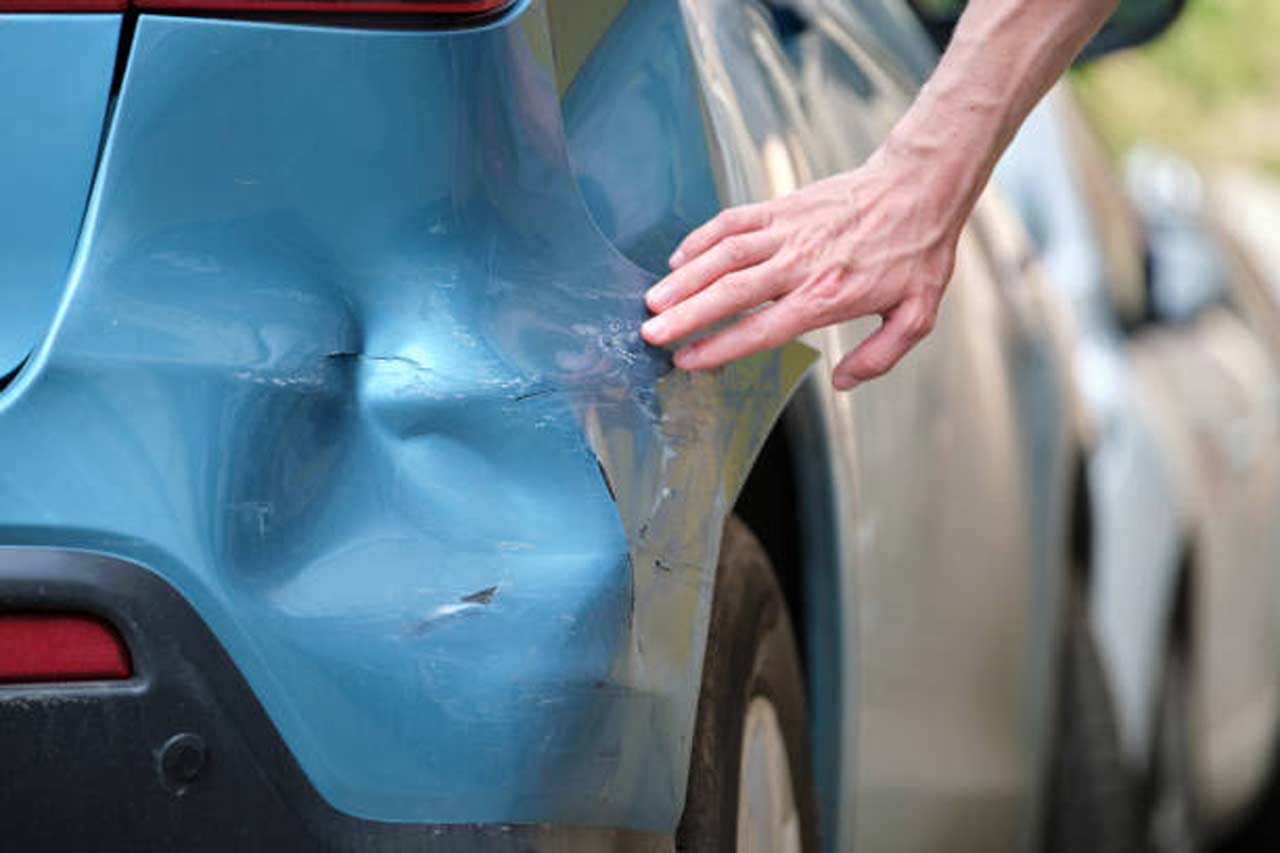
A hit and run can leave you dealing with two problems at once: damage to your vehicle and an unknown driver who cannot be held responsible right away. One detail that often catches drivers off guard is the collision deductible waiver after a hit-and-run. Understanding how the coverage works can help you avoid surprises when filing a claim.
Why a Hit and Run Claim Can Be Different
In a typical collision, drivers exchange insurance information and insurers can investigate who caused the crash. A hit and run removes that process. The other vehicle may be gone before anyone can record a license plate, speak with the driver, or obtain insurance information.
Your own auto policy may still provide coverage for vehicle damage through collision coverage. Collision insurance generally pays for damage to your vehicle after a crash, subject to the deductible listed in your policy. The Insurance Information Institute’s auto insurance guide explains that collision coverage commonly comes with a deductible, and the amount depends on the policy.
A deductible is the portion of a covered loss that you agree to pay before the insurer pays the remaining covered amount. If your collision deductible is $1,000 and covered repairs cost $6,000, the insurer may pay $5,000 after the deductible, assuming the claim is otherwise covered.


What a Collision Deductible Waiver Does
A collision deductible waiver is different from collision coverage itself. Collision coverage helps pay for damage to your vehicle. The waiver is an additional provision that can eliminate or reduce the deductible when specific conditions are met.
One common condition is that another driver must be identified and determined to be responsible for the accident. When that condition is part of the policy, the waiver may not help if the driver leaves the scene and cannot be located.
The actual policy language controls. Coverage can depend on whether another vehicle was identified, how fault was established, and which part of the policy applies.
Why Finding the Driver Can Matter
Identifying the other driver can affect more than the investigation. It may also change how the insurance claim is handled.
When the responsible driver is known, insurers may have an opportunity to pursue payment from that driver’s insurance company. If your insurer pays for covered repairs, it may seek recovery from the at-fault driver’s insurer when the circumstances and applicable law allow it.
If the other driver cannot be identified, that recovery path may not be available. As a result, the collision coverage on your own policy may remain the primary way to repair your vehicle, with the applicable deductible.
The National Association of Insurance Commissioners’ auto insurance information explains that collision coverage generally pays for damage to the insured vehicle and often carries a deductible.
What to Do After a Hit and Run
The first step after a hit and run is to protect yourself and document what happened. If anyone is injured, seek medical attention and contact emergency services. Then report the crash to the relevant authorities and notify your insurance company.
Collect as much information as possible while the details are fresh. Write down the time, location, direction of travel, vehicle description, partial license plate information, and anything you remember about the driver. Photos of the damage, nearby road conditions, debris, and the surrounding area can also be useful.
Look for potential witnesses. Nearby businesses, homes, parking facilities, and other vehicles may have cameras that captured the collision.
Do not repair damage before your insurer has an opportunity to inspect the vehicle, unless immediate repairs are needed to prevent further damage. Keep receipts for emergency repairs and related expenses.
Read Your Policy Before Assuming the Deductible Applies
Insurance policies can contain detailed conditions, exclusions, endorsements, and definitions. The wording of a deductible waiver may be especially important after a hit and run.
Check the declarations page to see whether collision coverage and a deductible waiver are listed. If the policy is unclear, ask the insurer to explain in writing why the deductible applies and which provision supports that decision.
Vehicle damage and bodily injury can also be handled differently. A person injured in a hit and run may have access to uninsured motorist coverage or other benefits, depending on the policy and applicable law.
The NAIC explains that uninsured motorist coverage can protect people injured by an uninsured or hit and run driver. Coverage for vehicle damage is more dependent on the policy and local insurance rules.
When Legal Help May Be Useful
A hit and run can become more complicated when there are injuries, disputed coverage, significant vehicle damage, or uncertainty about the insurer’s position. Legal guidance may help you understand the policy language and options available under the circumstances.
An attorney may also help identify potential sources of evidence, such as surveillance footage, witnesses, vehicle records, or other information that could help establish what happened. Time can matter because video footage may be overwritten and witnesses may become harder to locate.
The key point is simple: a hit and run does not automatically mean that you must accept every deductible decision made during the claim. At the same time, having a collision deductible waiver does not necessarily guarantee that the deductible will disappear. The result depends on the policy language, the facts of the crash, whether the other driver can be identified, and the rules that apply to the claim.
Before accepting a claim decision, review your policy, preserve evidence, ask clear questions, and keep records of communications with the insurer. Taking these steps can give you an understanding of what coverage is available and why a deductible may or may not apply.