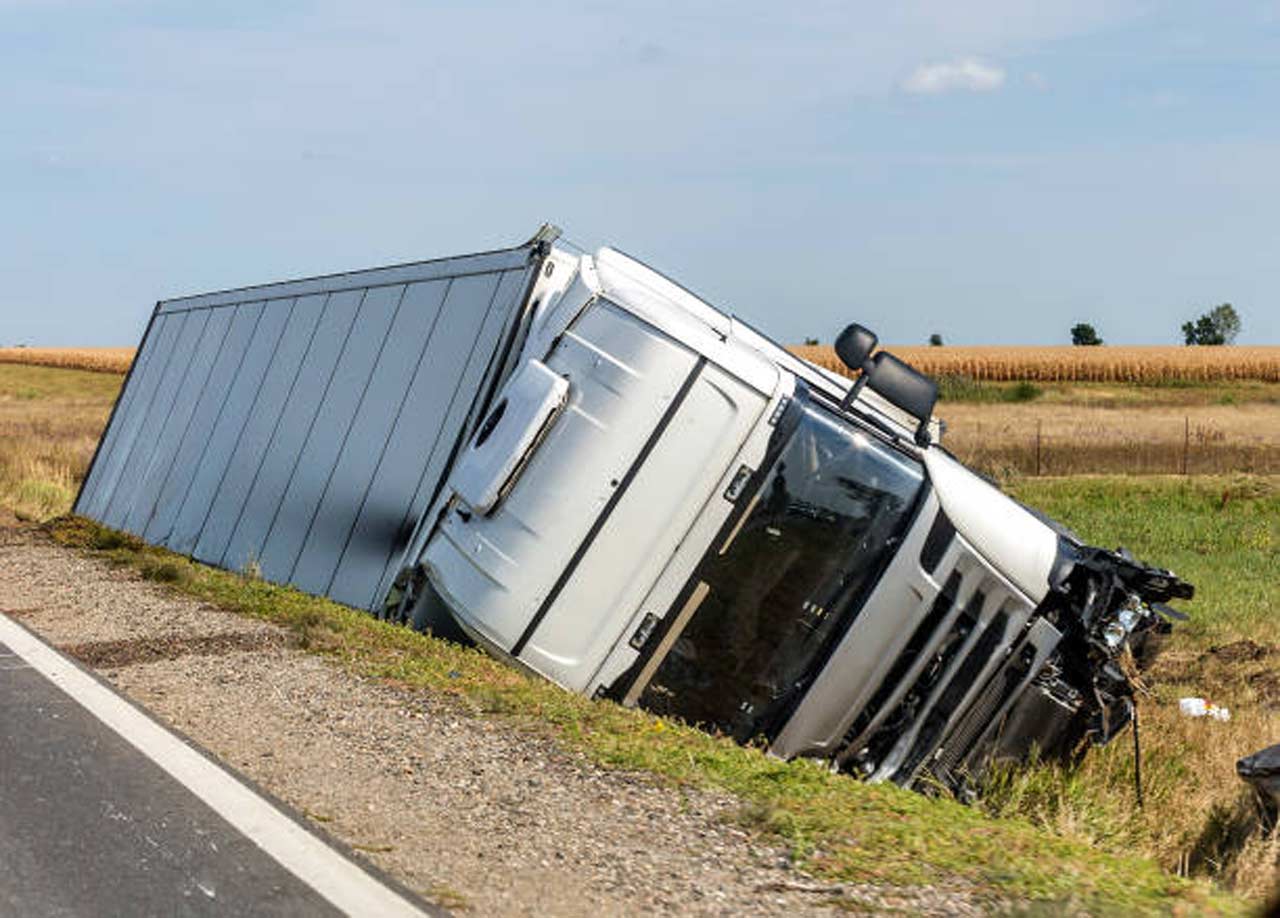
A truck crash can change a person’s life in seconds. The injuries may require emergency treatment, weeks of rehabilitation, or long-term care. At the same time, figuring out who may be responsible and how the resulting losses should be handled can be complicated. Seeking truck accident legal representation can help an injured person understand the legal process while medical providers focus on treatment and recovery.
Truck Crashes Can Cause Serious Injuries
Large commercial trucks have substantial weight and size compared with ordinary passenger vehicles. The difference can affect the forces involved when a collision occurs. The National Highway Traffic Safety Administration studies heavy truck crashworthiness and injury mechanisms because vehicle design and crash conditions can influence the severity of injuries.
Injuries may include broken bones, spinal injuries, internal injuries, burns, severe cuts, and traumatic brain injuries. Some injuries are immediately obvious, while others take time to become noticeable.
A person may walk away from a crash believing that they are fine, only to develop pain, dizziness, headaches, or problems with concentration later. The CDC’s guidance on concussion symptoms explains that some mild traumatic brain injury symptoms can appear immediately, while others may take hours or days to develop.


This is one reason medical attention after a serious collision matters even when the initial symptoms seem manageable.
The Full Extent of an Injury May Take Time to Understand
One of the hardest parts of an injury claim is determining the actual impact of an injury on a person’s life. A broken bone may be visible on an imaging study, but the consequences can extend beyond the initial diagnosis.
For example, a person with a back injury may need physical therapy and prescription medication. They may also be unable to perform normal household tasks or return to the same job duties. A brain injury can create additional challenges involving memory, concentration, sleep, balance, or emotional changes.
The CDC notes that moderate and severe traumatic brain injuries can result in long-term or lifelong health problems.
Because recovery can change over time, it may be difficult to know the complete effect of an injury shortly after a crash.
Determining What Caused the Crash Can Be Complicated
Truck crashes can involve more than one potential cause. Driver behavior is one possible factor, but it is not always the only one.
Investigators may need to examine vehicle condition, road conditions, traffic patterns, maintenance records, driver actions, and other available evidence. Depending on the circumstances, questions may also arise about loading practices, equipment problems, or the actions of another driver.
NHTSA crash research shows why detailed investigation matters. Crash investigators can examine physical evidence, vehicle damage, road conditions, and medical information when studying serious collisions.
For an individual injury claim, preserving relevant evidence can become important because some evidence may become harder to obtain as time passes.
More Than One Party May Be Involved
A truck crash claim may involve several people or organizations. The driver may be one party, but other parties can sometimes become relevant depending on the facts.
For example, a trucking company may have responsibilities connected with its driver or vehicles. A maintenance provider could become relevant if poor maintenance contributed to a mechanical problem. A company involved in loading cargo may also become part of an investigation if improper loading contributed to the collision.
That does not mean every party connected to a truck is legally responsible. Responsibility depends on the specific facts and applicable law. Identifying the relevant parties requires reviewing the evidence rather than relying only on what happened at the crash scene.
Medical Records Can Become Important Evidence
Medical care is primarily about recovery, but medical records can also document the nature and progression of an injury.
Records may show when symptoms began, what treatment was recommended, whether additional testing was necessary, and how an injury affected normal activities. Follow-up appointments can also help establish whether a condition improved or continued over time.
This documentation can be especially important when symptoms are not visible. A person experiencing headaches, memory problems, nerve pain, or reduced mobility may not have an obvious external injury, but medical records can provide evidence of the condition and treatment.
Keeping appointments and following medical instructions can also help create a clearer record of the recovery process.
Lost Income Can Add Another Layer
Serious injuries can interfere with employment in several ways. Someone may miss work while receiving treatment, reduce their hours during recovery, or become unable to perform certain duties.
The financial impact may extend beyond an initial period away from work. If an injury affects a person’s ability to return to the same position or perform the same type of work, the financial consequences can become more complicated.
Calculating these losses may require information about wages, work history, missed hours, employment benefits, and restrictions caused by the injury. Each situation is different, so the available evidence matters.
Insurance Discussions May Become Difficult
After a truck crash, insurance companies may become involved quickly. An insurer may request information about the collision, medical treatment, employment, or other losses.
It is important to understand that an insurance discussion is not the same as determining the full value of an injury claim. Early settlement discussions may occur before a person’s medical condition and future needs are fully understood.
A serious injury can involve medical expenses, lost income, rehabilitation, changes to daily activities, and other losses. Understanding the complete picture may require time and professional evaluation.
Evidence Can Matter More Than Memory
After a traumatic collision, people may remember some details clearly and other details imperfectly. Physical evidence can provide information that a person’s memory cannot.
Useful evidence may include photographs, vehicle damage records, medical records, witness information, police reports, employment records, and other documentation connected to the crash.
The National Highway Traffic Safety Administration’s research into truck crashes demonstrates the importance of examining physical evidence and injury information when evaluating collision circumstances.
Preserving available evidence early can help create a clearer picture of what happened and how the crash affected the injured person.
Understanding the Legal Process Takes Careful Attention
Truck injury cases can involve medical issues, financial losses, insurance questions, evidence, and legal deadlines. These issues often develop at the same time, which can make the process difficult for someone who is already recovering.
A careful approach starts with understanding the facts of the crash, documenting injuries, identifying potential sources of evidence, and determining which parties and insurance policies may be relevant.
An injured person does not need to understand every legal issue immediately. However, getting information early can make it easier to protect important evidence and understand the options available.
What Injured People Can Do After a Truck Crash
After a serious truck collision, the first priority should be medical care and personal safety. Once immediate concerns are addressed, keeping organized records can be helpful. Save medical documents, bills, employment information, photographs, insurance communications, and other records related to the crash.
People should also be cautious about discussing the collision publicly or making statements about the extent of their injuries before they understand the situation. Simple comments made soon after an accident may not reflect how an injury develops over time.
Most importantly, recovery should remain the focus. The CDC recommends seeking medical care for suspected mild traumatic brain injuries and speaking with a healthcare provider when symptoms continue or worsen.
A Truck Injury Claim Requires a Complete Picture
Truck crash injuries can be difficult to navigate because the physical injuries are only one part of the situation. A complete claim may involve medical treatment, future recovery, lost income, evidence, insurance coverage, and questions about responsibility.
Understanding these issues early can help an injured person make informed decisions during recovery. With proper documentation, medical follow-up, and appropriate legal guidance, the circumstances surrounding a truck crash can be examined more carefully and the available legal options can be evaluated based on the facts of the case.