A motorcycle can cross a California street in seconds, but the rules that govern that ride are not quite as quick to understand. One rule stands out because it applies every time a motorcycle is used on public roads: the rider and passenger need a proper helmet. The motorcycle helmet law in California leaves little room for guesswork.
The helmet must meet the required safety standard, and simply wearing something that looks like a motorcycle helmet may not be enough. For riders across Los Angeles, San Diego, Sacramento, and smaller California communities, knowing the basic rule can help prevent an avoidable traffic problem. Here is what riders should keep in mind.
California Requires Helmets for Riders and Passengers
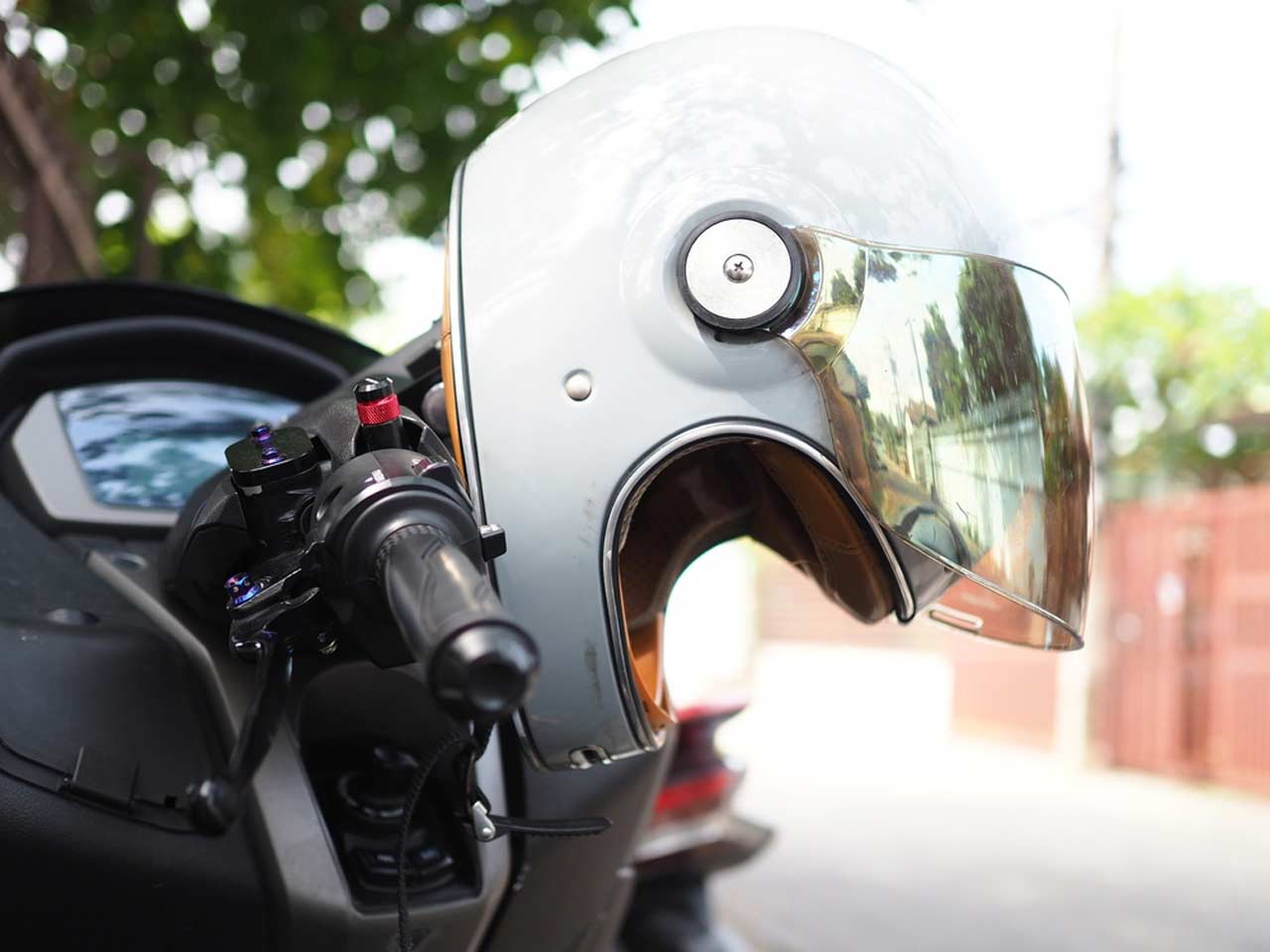
California takes a clear approach to motorcycle helmets. Under Vehicle Code Section 27803, motorcycle riders and passengers must wear a U.S. Department of Transportation-compliant motorcycle safety helmet. The California DMV also states that this requirement applies to motorcycles, motor-driven cycles, and motorized bicycles.
That means the rule is not limited to the person controlling the motorcycle. A passenger riding behind the operator must also wear a compliant helmet. A short ride across a neighborhood or a longer trip on a California highway does not change the basic requirement.


The Helmet Must Meet a Safety Standard
A helmet does more than complete a rider’s gear. California requires a helmet that meets the applicable U.S. DOT standard. The DMV’s motorcycle handbook says the manufacturer must certify that the helmet complies with Federal Motor Vehicle Safety Standard 218, also known as FMVSS 218.
Riders should pay attention to the helmet they buy rather than assuming every product sold as a motorcycle helmet complies with California helmet laws. A novelty helmet or a product without the required certification may create questions about compliance. Checking the manufacturer’s certification and choosing equipment made for motorcycle use is a simple step before riding.
Why California’s Rule Matters After a Crash
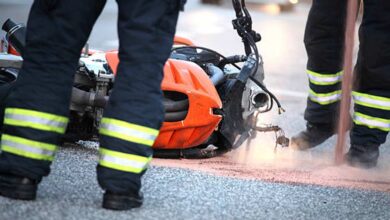
The motorcycle helmet law can become more important after a collision. A traffic rule violation and responsibility for causing a crash are not automatically the same issue. If a rider is injured, questions may arise about how the collision happened, what caused the injury, and what evidence supports each side’s position.
Insurance companies may look at helmet use as part of their review of an injury claim. Police reports, medical records, photographs, witness accounts, and other evidence can also become relevant. A rider should not assume that one detail, such as helmet use, automatically decides an entire claim. The facts of the collision still matter.
A Helmet Rule Also Protects Passengers
Passenger safety should not be treated as an afterthought. California’s requirement covers passengers as well as motorcycle operators, so a rider carrying someone else should make sure that person has a compliant helmet before the motorcycle moves.
This is especially worth remembering during rides around busy California cities, where traffic can change quickly. A passenger may have little control over the motorcycle, but the passenger still has to follow the helmet requirement. Riders should also make sure the helmet fits properly and is worn as intended.
What Can Happen After a Violation?
Failing to follow the helmet requirement can lead to a traffic citation and related penalties. The exact consequences can depend on the circumstances and applicable law.
The issue can become more complicated if a crash follows. A helmet violation may be discussed alongside other facts about the collision and the injuries involved. That does not mean a rider automatically gives up the ability to pursue a claim after being hurt. Liability and injury issues usually require attention to the full set of facts rather than one isolated detail.
Smart Steps After a Motorcycle Crash
After a motorcycle collision, practical steps can help preserve useful information. Riders should consider:
- Seeking medical care for any injuries and keeping related records.
- Photographing the motorcycle, helmet, road, vehicles, and visible injuries.
- Keeping the helmet and riding gear rather than throwing them away.
- Obtaining the accident report and saving insurance communications.
- Recording witness information if it is available.
These steps do not replace professional legal analysis. They simply help keep important information together while the facts are still clear.
Summing Up!
The motorcycle helmet law in California is straightforward on its main point: riders and passengers must use a compliant motorcycle safety helmet. The rule applies across California, from city streets to major highways, and the type of helmet matters too.
A little attention before a ride can prevent a simple equipment choice from becoming part of a larger legal problem after a crash. Good records can matter. Riders who have questions about a specific situation should seek professional legal guidance rather than relying on general information alone.