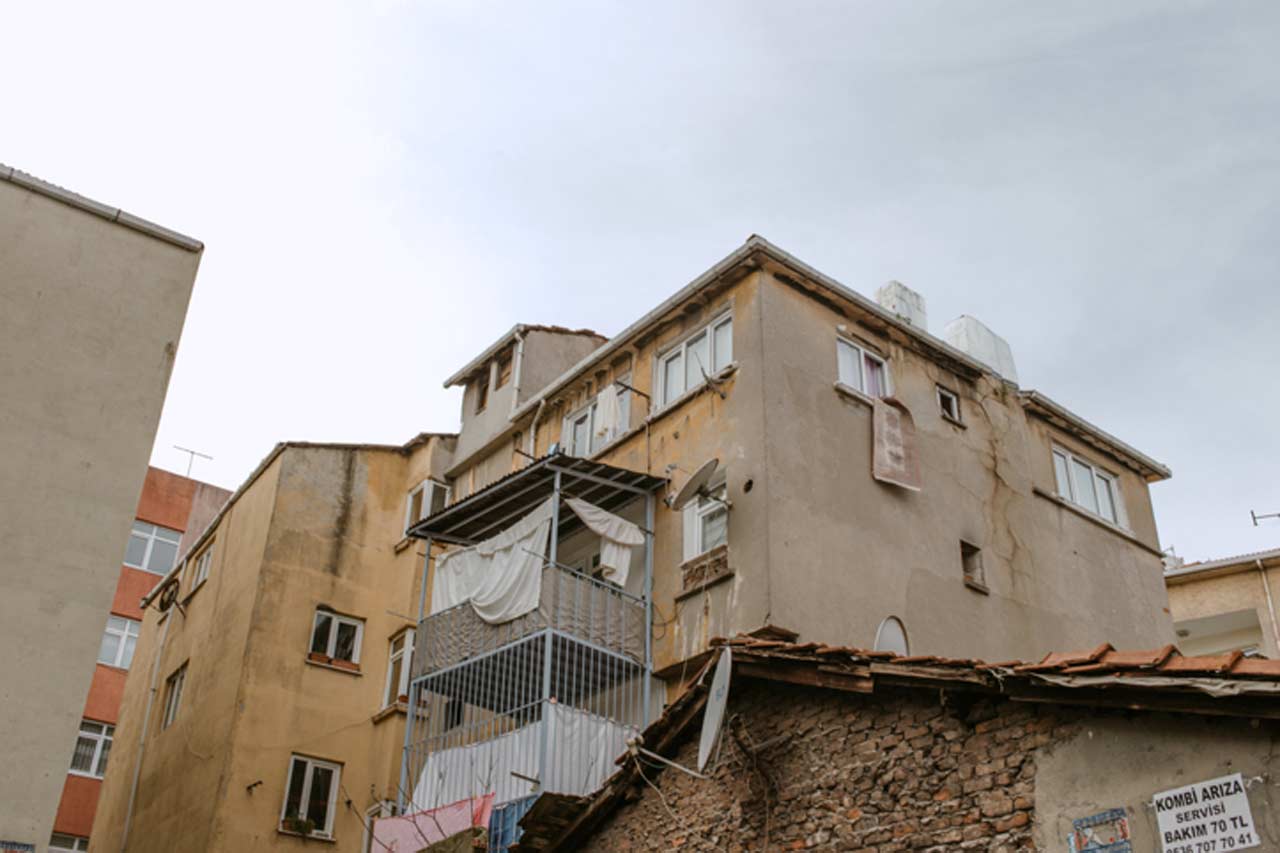
A rental home should provide more than a roof and four walls. It should be a place where people can live without facing serious risks to their health or safety. Across Colorado, tenants may encounter mold, broken heating, water damage, pests, electrical problems, or other hazards that make a home difficult or unsafe to occupy.
Colorado law gives renters protections when certain conditions make a property unfit for human habitation. Knowing those rights can help tenants respond carefully instead of feeling trapped by a lease. For renters who need guidance, an unsafe living condition lawyer in Colorado can help explain possible legal options.
What Makes a Rental Condition Legally Unsafe in Colorado?
Not every repair problem automatically creates a legal claim. Colorado’s warranty of habitability generally requires landlords to keep residential properties fit for human habitation throughout a lawful tenancy. A condition may become a habitability issue if it is uninhabitable or materially interferes with a tenant’s life, health, or safety.
Examples may include:


- Serious mold or dampness
- Major plumbing or electrical problems
- Lack of necessary heat or hot water
- Dangerous structural conditions
- Serious pest problems
- Other hazards that affect health or safety
The facts matter. A dripping faucet may be inconvenient, while a major water leak that creates dangerous conditions can raise a much more serious concern.
What Legal Rights Do Colorado Tenants Have?
Colorado tenants have several protections under the state’s habitability rules. A landlord generally must receive notice of a qualifying condition and take required steps to address it. Tenants should therefore report serious problems clearly and keep proof that the landlord was informed.
Renters may also have rights related to:
- Repairs or other remedies for qualifying habitability problems
- Ending a lease in certain circumstances
- Recovering certain damages through legal action
- Seeking court relief
- Protection from landlord retaliation for protected complaints
Colorado’s 2024 updates also clarified procedures and remedies involving unsafe or uninhabitable conditions. Because the exact requirements can depend on the type of problem and the facts involved, tenants should avoid assuming that one solution applies to every case.
What Should Tenants Do After Finding Unsafe Conditions?
A strong response starts with a clear record. Tenants should document the problem before conditions change or repairs are made.
Useful records can include:
- Dated photos and videos
- Emails, texts, and written repair requests
- Copies of notices sent to the landlord
- Inspection or code enforcement reports
- Receipts for reasonable expenses connected to the problem
- Notes showing how long the condition continued
Written notice is especially important because Colorado law places weight on landlord notice in habitability disputes. Keep copies of everything, including the landlord’s replies or lack of response.
What If the Landlord Does Not Make Repairs?
A landlord’s failure to address a serious condition can turn a maintenance complaint into a legal dispute. Tenants should follow the required notice process and allow the landlord to respond, unless the law provides a different procedure for the situation.
Some renters may be tempted to stop paying rent, move out immediately, or arrange major repairs themselves. Those choices can create additional legal problems if the required steps are not followed. Instead, tenants should first review their rights and the facts of the situation.
For renters dealing with ongoing hazards, an unsafe living conditions lawyer in Colorado may help assess whether the landlord’s response meets legal requirements and what remedies may be available.
When Should a Colorado Tenant Consider Legal Help?
Legal guidance may be especially useful if:
- Serious hazards remain after the landlord receives notice
- The landlord denies responsibility for the condition
- A tenant faces threats or possible retaliation
- The tenant is considering ending the lease
- The condition has caused significant financial harm
- A dispute has moved toward court
Colorado has many different rental settings, from apartment buildings in Denver to homes in mountain communities and smaller towns. Local conditions can vary, but state habitability rules still provide an important framework for tenant protections. When a landlord-tenant dispute arises over issues such as repairs, safety, or living conditions, understanding these protections can help tenants better understand their rights and available options.
Protecting Your Rights Starts With the Right Steps
Unsafe housing should not be treated as a problem that tenants simply have to endure. Documenting the condition, giving proper notice, preserving communications, and learning the available remedies can help protect a renter’s position. A serious habitability dispute may involve more than getting a repair completed.
Understanding the legal duties involved can help Colorado tenants make informed decisions and seek appropriate help if a landlord fails to address dangerous conditions, especially after repeated complaints or failed repair attempts.