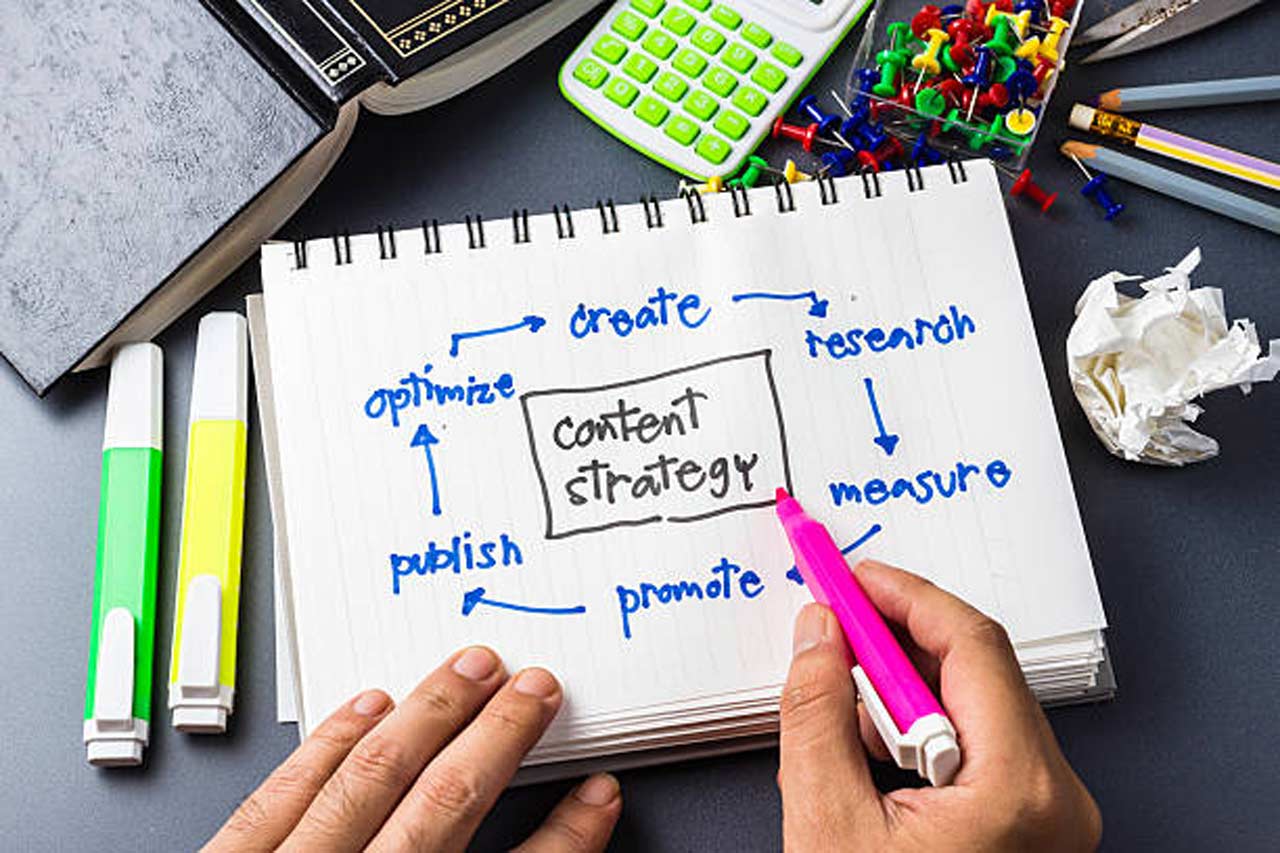
 For equipment companies, a strong online presence depends on more than product pages and paid campaigns. Buyers often research specifications, compare suppliers, and look for practical advice before they contact a sales team. Useful articles can help answer those questions, build familiarity with a brand, and bring qualified readers to its website. But in industrial, medical, and other technical fields, content marketing works best when it is accurate, relevant, and published in places the intended audience already trusts.
That makes guest posting a potential part of a broader marketing strategy—not a shortcut to rankings. A well-chosen article can introduce a company to a professional audience while offering information readers can use. The key is to treat the work as publishing, with a clear audience and editorial purpose, rather than as a hunt for backlinks.
Start With The Audience, Not The Link
Equipment buyers are rarely a single group. A manufacturer may need to reach engineers, procurement managers, clinicians, maintenance teams, or business owners. Each audience has different concerns. One may want to understand operating costs, another may need safety information, and another may be comparing installation requirements.
Before planning an article, define who should read it and what they should learn. A useful brief might identify a specific question, such as how to assess equipment lifecycle costs or what to consider when selecting a monitoring system. This focus makes the content more useful and helps determine which publications are a sensible fit.
Relevance matters more than raw reach. A niche publication with a readership of specialists may be more valuable than a general site with a much larger audience. Check whether its recent articles cover adjacent topics, whether the writing is credible, and whether its readers are likely to have a genuine interest in the subject.


Choose Publishing Opportunities Carefully
Finding suitable websites can take time, especially when a company serves several technical markets. Direct research is useful: review trade publications, professional blogs, association sites, and specialist news outlets that already discuss the challenges your customers face. Look at the quality and consistency of their articles, not just their apparent search visibility.
Directories can help make that research more manageable. For example, equipment guest posting sites brings together websites and blogs covering equipment in industrial, medical, and other fields. Treat a listing as a starting point, not an automatic endorsement. Visit each publication, confirm that it still accepts relevant contributions, and assess its audience and editorial standards before investing in a pitch.
Useful checks include:
- Does the publication regularly cover the equipment category or its surrounding industry?
- Are its articles written for a clear professional audience?
- Does it publish original, substantive material rather than thin or repetitive posts?
- Are its contribution guidelines transparent about topics, links, and editing?
- Would the article still be worth publishing if it did not include a backlink?
That last question is a useful test. If the only value of a placement is a link, it may not support a durable marketing strategy. A relevant article can deliver value through referral visits, brand recognition, and useful explanations even when readers do not click through immediately.
Create Content That Demonstrates Expertise
Technical content should make complex subjects easier to understand without making claims the evidence cannot support. Rather than turning every article into a product pitch, address an industry problem and explain the considerations behind a sound decision. Topics might include maintenance planning, equipment selection criteria, safety processes, energy use, or common implementation challenges.
Subject-matter experts should review technical details before publication. A writer can organize research and make an article readable, but product specifications, regulatory statements, and performance claims need confirmation from people who understand them. Avoid unsupported superlatives and vague promises. Specific, appropriately qualified information is more persuasive than sweeping claims.
It also helps to plan for the reader’s next step. A practical checklist, comparison framework, or explanation of terminology can stand on its own while naturally pointing interested readers toward further information on the company’s site.
Build A Repeatable Writing Workflow
Guest publishing involves more than drafting. A dependable process covers topic selection, research, writing, technical review, edits, and submission. A concise brief should set the audience, purpose, key points, terminology, word count, and any claims that require approval. It should also explain the publication’s requirements so the writer is not guessing about tone or format.
When a team needs outside help, it should compare writers on relevant experience, research habits, communication, and ability to follow a brief—not price alone. Osdire’s guide to finding affordable freelance writers offers a useful perspective on setting scope and structuring a hire. Whatever marketplace or hiring method a business uses, agree on deliverables, revision expectations, deadlines, and review responsibilities before work begins.
Keep the technical reviewer involved early enough to prevent avoidable rewrites. A short outline review can catch an unsuitable angle before a full draft is produced. After publication, retain the approved version and key source notes so future content can build on the same terminology and standards.
Measure More Than Backlinks
Set realistic goals before a campaign starts. Depending on the publication and topic, useful indicators may include referral traffic, time spent on relevant landing pages, inquiries from target industries, assisted conversions, or mentions in sales conversations. Search visibility can be part of the picture, but a single link or short-term ranking change does not establish the success of a content program.
Review performance over time and compare placements by audience fit and engagement. If an article attracts the wrong readers, refine the topic or publication list. If it earns attention but produces little site activity, improve the connection between the article’s subject and the destination page. Measurement should inform better choices, not encourage publishing more low-value material.
Make Guest Posting Part Of A Larger Strategy
For equipment brands, guest articles are most effective when they support a wider body of useful content: clear product information, technical resources, case studies, and answers to common buyer questions. Careful publication research, expert review, and a structured writing process help each contribution serve readers as well as the business. Over time, that consistency can strengthen credibility in specialized markets and make digital marketing more useful to the people it is meant to reach.