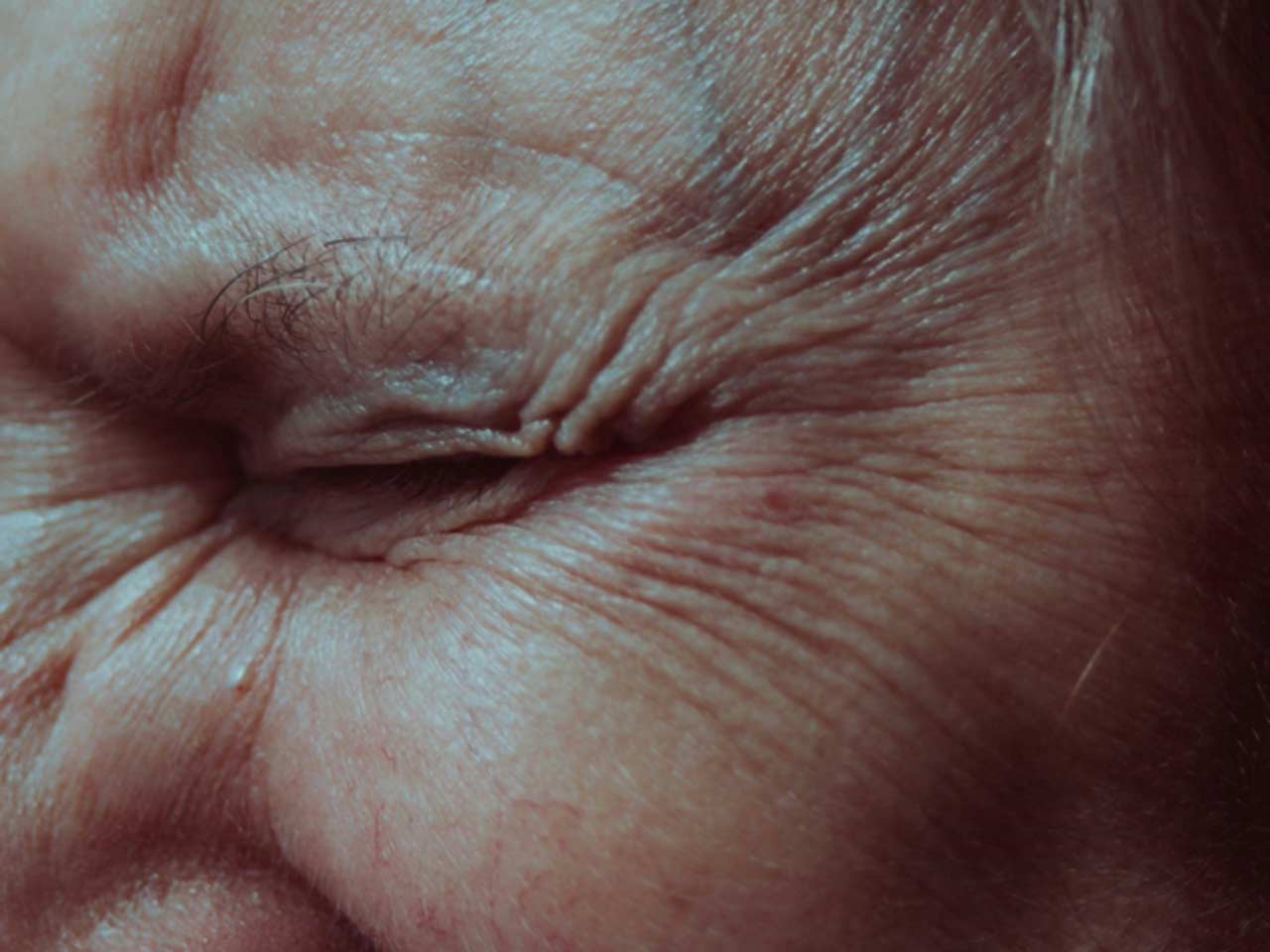
Skin aging is not one single process. It is a combination of biology, sun exposure, and time, and understanding the difference matters if you want to make informed decisions about prevention and treatment. This guide breaks down what causes skin to age, which interventions have real evidence behind them, and when professional treatment becomes worth considering.
Two Types of Aging Happening at Once
Dermatologists generally separate skin aging into two categories: intrinsic aging and photoaging.
Intrinsic aging is the natural, genetically programmed process that happens regardless of environment. According to the National Institute on Aging, as skin ages, the outer layer becomes thinner, paler, and less elastic, largely due to a gradual loss of collagen and elastin fibers. This is why skin loses some of its plumpness and smoothness with age, independent of anything you did or did not do.
Photoaging is different. It is caused by cumulative ultraviolet exposure and is responsible for most of what people actually associate with visible aging, including deep wrinkles, uneven pigmentation, and loss of firmness. Unlike intrinsic aging, photoaging is largely preventable, which is why sun protection remains the single most effective anti-aging habit available.


What the Research Actually Supports
There is a lot of noise in the skincare space, but a handful of ingredients and habits have strong clinical evidence behind them.
Retinoids, including prescription tretinoin and over-the-counter retinol, are among the most studied anti-aging compounds available. A clinical review of retinoid efficacy and safety found that retinoids can increase collagen production and measurably improve fine lines and photodamage over time, though results typically take several months to become visible.
Daily broad spectrum sunscreen remains the most consistently recommended intervention across dermatology guidance. Protecting skin from UVA and UVB exposure does not just prevent new damage, it also gives existing treatments like retinoids room to work without being undone by fresh sun exposure.
Collagen support is a newer but increasingly researched area. Skin fibroblasts, the cells responsible for producing collagen, show measurable changes in function as they age, which is part of why collagen production slows over time. Some studies on oral collagen peptides have shown modest improvements in skin hydration and elasticity, though researchers note that results vary and more standardized trials are still needed.
Where At-Home Care Reaches Its Limit
Topical products and good habits can meaningfully slow visible aging, but they have a ceiling. Once collagen loss and skin laxity reach a certain point, creams and serums are working on the surface while the underlying structural changes remain untouched. This is the point where many people start exploring in-clinic treatments such as microneedling, laser resurfacing, dermal fillers, or neuromodulators, all of which are designed to work on a deeper level than topical care alone can reach.
This does not mean skincare stops mattering. Most dermatology-backed treatment plans still combine daily sunscreen and retinoid use with periodic in-office procedures, since the two approaches address different layers of the aging process rather than competing with each other.
Signs It Might Be Time for a Professional Consultation
- Fine lines have progressed to deeper, static wrinkles that show even at rest
- Skin has lost noticeable firmness or elasticity in specific areas
- Over the counter products have plateaued after months of consistent use
- You want a personalized plan based on your specific skin type and aging pattern
- You are considering a treatment you are unfamiliar with and want medical guidance first
Getting Guidance From a Professional
Skin clinics that specialize in aesthetic and dermatological treatments can bridge the gap between at-home care and more advanced options. A trained provider can assess your specific skin condition, explain which procedures are backed by evidence for your concerns, and build a plan that combines professional treatment with the daily habits that keep results lasting.
Clinics like Serene Radiance, based in Edmonton, offer this kind of personalized assessment, working with clients to figure out where topical care ends and where a procedure such as microneedling, injectables, or laser treatment might actually move the needle. That kind of guidance is often the missing piece for people who have already tried the basics and are not seeing further improvement.
Final Thoughts
Skin aging is driven by a mix of genetics, time, and cumulative sun exposure, and no single product reverses all of it. What the research does support is consistent: daily sun protection, retinoids for those who tolerate them, and realistic expectations about timelines. When topical care hits its limit, a professional evaluation can clarify whether an in-clinic treatment is a reasonable next step, rather than guessing based on marketing claims alone.
The best skin care plan is rarely about finding one miracle product. It is about understanding what is actually happening beneath the surface and matching your approach to that reality.