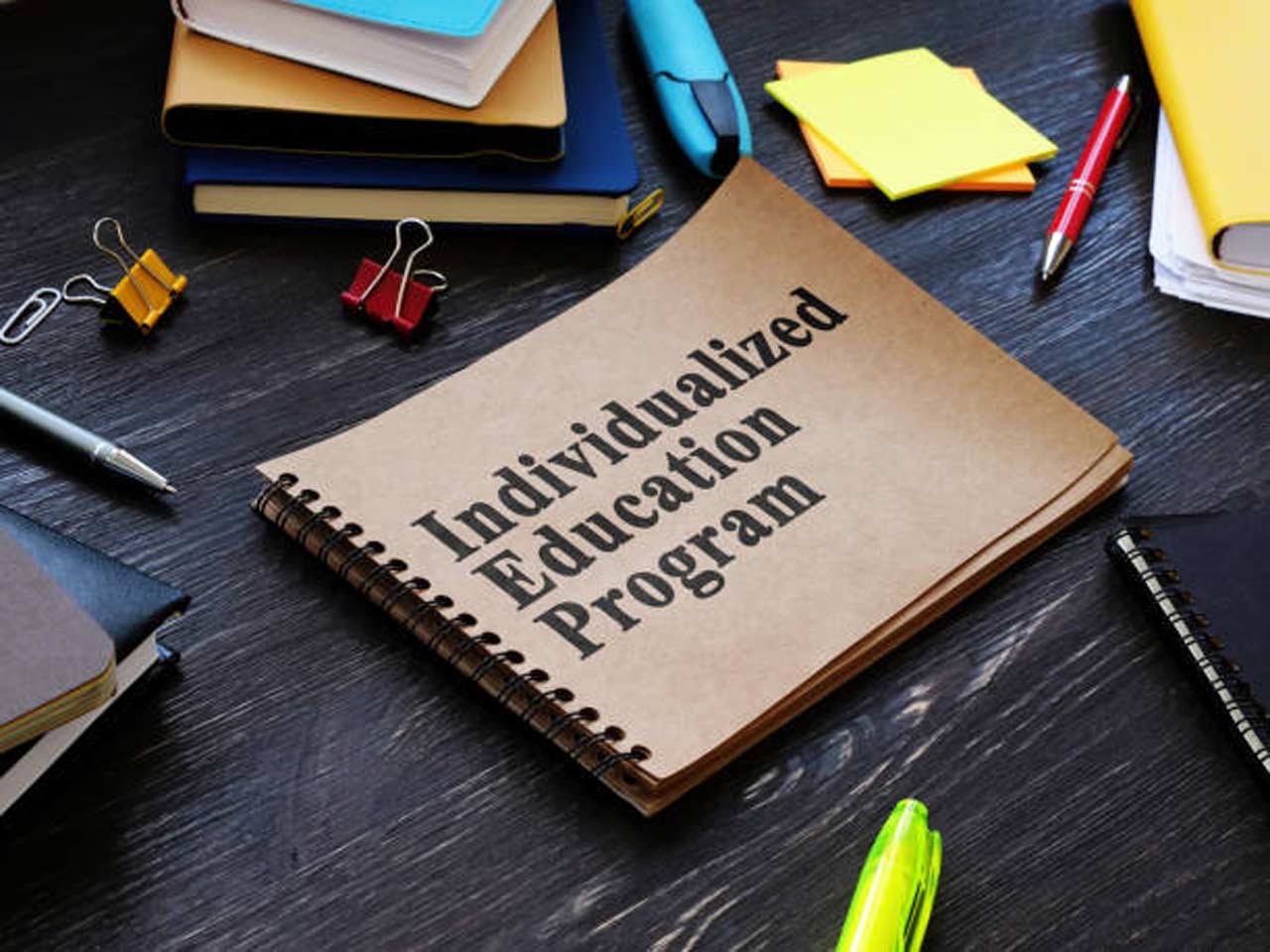
Schools are designed to help students learn, but students do not all learn in the same way or require the same types of support. Some students with disabilities may need specialized instruction, accommodations, related services, assistive technology, or other individualized support to access education and make appropriate progress. In U.S. public education, an Individualized Education Program, usually called an IEP, provides a formal framework for documenting and coordinating that support for eligible students.
An IEP is much more than a list of classroom accommodations. It is a written educational program developed through a collaborative process involving the student’s needs, current performance, measurable annual goals, services, and other important considerations. IEPs are established under the federal Individuals with Disabilities Education Act, commonly called IDEA. Understanding what an IEP does, who participates in creating it, and why it needs regular review can make the process much easier for families and educators to understand.
What Exactly Is an IEP?
An IEP is a written program created for an eligible student with a disability who requires special education and related services under IDEA. Not every student who has a disability automatically receives an IEP. Eligibility involves an evaluation process and a determination that the student meets applicable requirements and needs special education.
Once eligibility is established, an IEP team develops an individualized program based on the student’s educational needs.


The document includes information about the student’s present levels of academic achievement and functional performance. It also establishes measurable annual goals and describes how progress toward those goals will be measured. Depending on the individual student, an IEP can address academic subjects as well as communication, behavior, mobility, social skills, or other areas that affect participation and progress in school.
Services and supports are another major component. An eligible student might receive specialized instruction or related services such as speech-language services, occupational therapy, or other support when appropriate to the student’s needs.
This individualized approach is what separates an IEP from a general classroom plan. The program is built around a particular student rather than assuming one set of supports will work equally well for everyone.
Why IEPs Are Important for Students
A student may be highly capable in one area while facing significant challenges in another. A child could understand complex ideas but struggle to communicate them in writing. Another might need support with reading, attention, communication, mobility, or processing information.
An IEP helps turn those individual needs into a coordinated educational plan.
Without a formal process, support could become inconsistent. One teacher might provide an effective accommodation while another is unaware that it is needed. Services could be difficult to coordinate, and families might have less clarity about the goals being addressed.
The IEP creates a shared reference point.
Teachers can understand which services, accommodations, modifications, and goals apply to the student. Specialists can coordinate their work with classroom instruction. Families can participate in discussions about their child’s educational program and progress.
Importantly, an IEP is not intended to lower expectations simply because a student has a disability. The purpose is to provide eligible students with individualized special education and related services designed to address their needs and support access to an appropriate education.
How the IEP Team Works Together
IEPs are developed through teamwork rather than by one person working independently.
Under IDEA, the IEP team generally includes the student’s parents, at least one regular education teacher when the student participates or may participate in regular education, at least one special education teacher or provider, a representative of the public agency who meets specified qualifications, and someone who can interpret the instructional implications of evaluation results. The student may participate when appropriate, and other individuals with knowledge or special expertise regarding the student can also be involved.
Each participant brings a different perspective.
Parents know their child’s history, strengths, challenges, interests, and experiences outside school. Teachers understand classroom performance and curriculum expectations. Specialists may provide insight into specific areas of need. Administrators or district representatives can help address available resources and educational services.
Collaboration matters because an effective plan needs to work in everyday school life, not merely look complete on paper.
Good IEP discussions should therefore focus on the individual student. What is working? Where is the student having difficulty? What progress has occurred? Are current supports appropriate? What goals should come next?
Those questions keep the process centered on educational needs rather than paperwork.
Understanding IEP Software
Managing individualized programs involves substantial documentation, which is where IEP software can become useful for schools and special education teams. IEP software can help authorized professionals organize student information, document goals and services, manage required forms, monitor important dates, and maintain records associated with the IEP process.
Depending on the platform, software may also support workflow management, progress documentation, reporting, meeting preparation, or communication among appropriate staff members.
The technology itself does not determine what a student needs. That remains the responsibility of qualified professionals and the IEP team. Software is primarily an organizational tool that can make complex administrative responsibilities easier to manage.
Because IEP records contain sensitive student information, schools should also evaluate privacy, cybersecurity, access controls, data handling, and applicable legal requirements when choosing and using these systems.
Goals Help Turn Needs Into a Plan
Measurable annual goals are an important part of an IEP because they establish what the student is expected to work toward during the year.
A vague statement such as “improve reading” provides little guidance. A useful goal needs enough specificity for the team to evaluate whether progress is occurring.
Goals should relate to the student’s identified educational needs. Depending on the student, they may involve reading, mathematics, writing, communication, behavior, functional abilities, or other relevant areas.
Progress monitoring then helps educators and families determine whether the student is moving toward those goals.
This creates an important feedback loop. The team establishes goals, appropriate instruction and services are provided, progress is measured, and the resulting information helps guide future decisions.
If a student is progressing well, the team may eventually establish more advanced goals. If progress is limited, the team can examine whether changes are needed.
An IEP is therefore intended to function as an active educational program rather than a document that is written and forgotten.
Accommodations and Services Are Individualized
People sometimes assume that special education involves giving every eligible student the same collection of accommodations. In reality, appropriate support depends on individual needs.
An accommodation generally changes how a student accesses learning or demonstrates knowledge without necessarily changing what the student is expected to learn. Examples might include appropriate changes involving presentation, setting, scheduling, or response methods, depending on the student’s needs and IEP.
Modifications can involve changes to what a student is expected to learn or demonstrate. These decisions require careful consideration because they can affect the student’s educational program.
Related services may also be included when they are required to help the student benefit from special education. The specific services vary considerably from student to student.
The central idea is individualization. Two students with the same disability classification may still have very different strengths, challenges, goals, and educational programs.
IEPs Change as Students Grow
Children change quickly, and an educational plan needs to respond to that growth.
Under IDEA, the IEP team reviews a student’s IEP periodically, but at least annually, to determine whether annual goals are being achieved and whether revisions are appropriate. Reevaluations also occur according to applicable requirements and circumstances.
These reviews provide opportunities to examine actual progress rather than relying on assumptions.
As students get older, their educational priorities can change considerably. Early support may concentrate heavily on foundational academic or communication skills. Later plans may increasingly consider independence, postsecondary education, employment, and adult life.
Transition planning becomes especially important as eligible students approach life after secondary school. The IEP process can help connect present educational goals with realistic future objectives.
This ability to evolve is one reason individualized planning matters. A plan that made perfect sense several years ago may no longer reflect what the student needs today.
Why Clear Documentation Matters
Special education often involves several people working with the same student across different settings. Clear documentation helps everyone understand the agreed-upon program.
Without reliable records, important details can be lost when a student changes teachers, moves between schools, or begins working with a new specialist.
Documentation also provides a record of goals, services, progress, and decisions made by the team. Families can use that information to better understand their child’s educational program, while educators can refer to it when planning instruction and support.
Still, documentation should support the educational process rather than dominate it.
A perfectly completed form cannot replace good teaching, meaningful family participation, careful evaluation, or a genuine understanding of the student. The paperwork matters because it communicates and records the plan. The real value comes from putting that plan into practice.
Keeping the Student at the Center
IEPs exist because equal access to education does not always mean providing every student with identical instruction or support. Some eligible students need individualized services and accommodations to participate in school and make appropriate educational progress.
A thoughtfully developed IEP gives families, educators, specialists, and administrators a shared framework for addressing those needs. Goals clarify what the student is working toward, services establish how support will be provided, and progress monitoring helps the team determine whether the approach is working.
Technology can make the administrative side easier to organize, but the most important part remains human collaboration.
Behind every meeting, goal, evaluation, and document is an individual student with particular abilities, challenges, interests, and potential. When the IEP process remains focused on that student rather than simply completing requirements, it becomes what it was intended to be: a practical plan for providing appropriate support and helping a learner make meaningful progress.