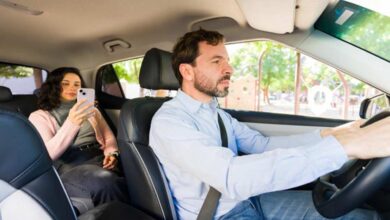
 A rideshare accident can create confusion within seconds. There may be damaged vehicles, traffic backing up, people checking for injuries, and uncertainty about who caused the crash. But unlike a regular car accident, an Uber or Lyft crash often leaves behind another important layer of evidence: the digital trail inside the app and the passenger’s phone.
For someone injured during a rideshare trip in Scranton, Pennsylvania, these digital details can matter. The app may show the driver’s name, vehicle information, pickup point, destination, timestamps, route, payment confirmation, and trip status. These records may help explain whether the ride was active and how the crash fits into the timeline. In some cases, a rideshare accident lawyer in Scranton may review this information alongside police reports, medical records, and other evidence.
Why Digital Evidence Matters
Rideshare claims are different from ordinary car accident claims because the trip is managed through a platform. The driver may be offline, logged into the app, waiting for a request, driving to pick up a passenger, or already carrying one.
That status may affect which insurance coverage applies. If the passenger was inside the vehicle, the claim may be treated differently than if the driver had not yet started the trip. Digital records can help answer key questions about timing, driver activity, and whether the ride was officially underway.
In a city like Scranton, where rideshare services may be used around downtown streets, colleges, restaurants, hospitals, and event areas, app based evidence can help connect the accident to the exact ride.

App Receipts Can Show More Than Payment
Most passengers see a rideshare receipt as proof of fare. After a crash, it may become much more useful.
A trip receipt may show the driver’s name, vehicle type, license plate, pickup location, destination, date, time, fare, and route details. Even if the trip ended suddenly or was cancelled after the crash, some information may still appear in the app or in an email receipt.
This can help confirm who was driving and whether the injured person was a rideshare passenger at the time. If there is later confusion between the driver, rideshare company, or insurance providers, the receipt may provide a clear starting point.
GPS and Route History Can Support the Timeline
Location details can be important after a rideshare accident. A crash near a busy Scranton intersection, hotel, college area, hospital route, or downtown pickup zone may involve witnesses, nearby businesses, traffic cameras, or street-level evidence.
The app route may help show where the vehicle was traveling before the crash. It may also show whether the driver followed the expected path, changed route, stopped suddenly, or was close to the pickup or drop-off point.
GPS data does not always explain everything by itself. However, when matched with photos, police reports, medical records, and witness information, it can help build a stronger timeline.
Messages, Calls, and Notifications May Matter
After a crash, passengers often contact the driver, rideshare support, emergency services, family members, or insurance representatives. These messages and call logs may later help show when the accident happened and how quickly it was reported.
Useful digital records may include in app messages, rideshare support chats, phone call logs, text messages, email confirmations, and accident related notifications. For example, a message to rideshare support may show when the passenger reported the crash. A call log may show when emergency help was contacted.
These records can help support the order of events, especially if the facts are disputed later.
Why Screenshots Should Be Saved Early
Digital evidence can change or become harder to find. Driver profiles may no longer appear clearly. Trip details may become limited. Notifications may disappear. Support chats may close. Email receipts may get buried.
Saving screenshots early can help preserve accurate information. Important screenshots may include the trip receipt, driver profile, vehicle details, license plate, route map, pickup point, drop off point, messages, payment record, and support communication.
The purpose is simple: keep a clear record of what the app showed soon after the crash. A small detail saved early may become useful later.
Digital Evidence Works Best With Physical Evidence
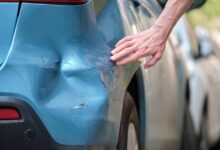
App records are helpful, but they are strongest when combined with other proof. A receipt may show that the trip existed, but photos may show vehicle damage. GPS may show the route, but a police report may document the crash. Messages may show timing, but medical records may explain the injuries.
Other useful evidence may include crash scene photos, witness names, nearby camera footage, insurance letters, medical bills, and treatment records. The digital trail helps organize the timeline, while physical evidence helps support what actually happened.
Insurance Questions Can Become Complicated
Rideshare accident claims may involve several insurance sources. The driver’s personal insurance, the rideshare company’s coverage, another driver’s insurance, or multiple policies may be involved.
This is where app status becomes important. Was the driver waiting for a request? On the way to pick up a passenger? Already transporting someone? The answer can affect how the claim is reviewed.
A rideshare accident lawyer in Scranton may use app receipts, timestamps, route details, messages, payment records, police reports, and medical documents to understand which evidence supports the injury claim.
Conclusion
After a rideshare accident, the most obvious evidence may be the damaged vehicles or the crash scene. But some of the most important details may be sitting quietly inside the passenger’s phone.
Trip receipts, GPS data, screenshots, messages, call logs, and payment confirmations can help preserve the story of what happened. They may show when the ride started, where the vehicle traveled, who the driver was, and whether the trip was active.
In a rideshare accident, the road tells one part of the story. The digital trail may help fill in the missing pieces.