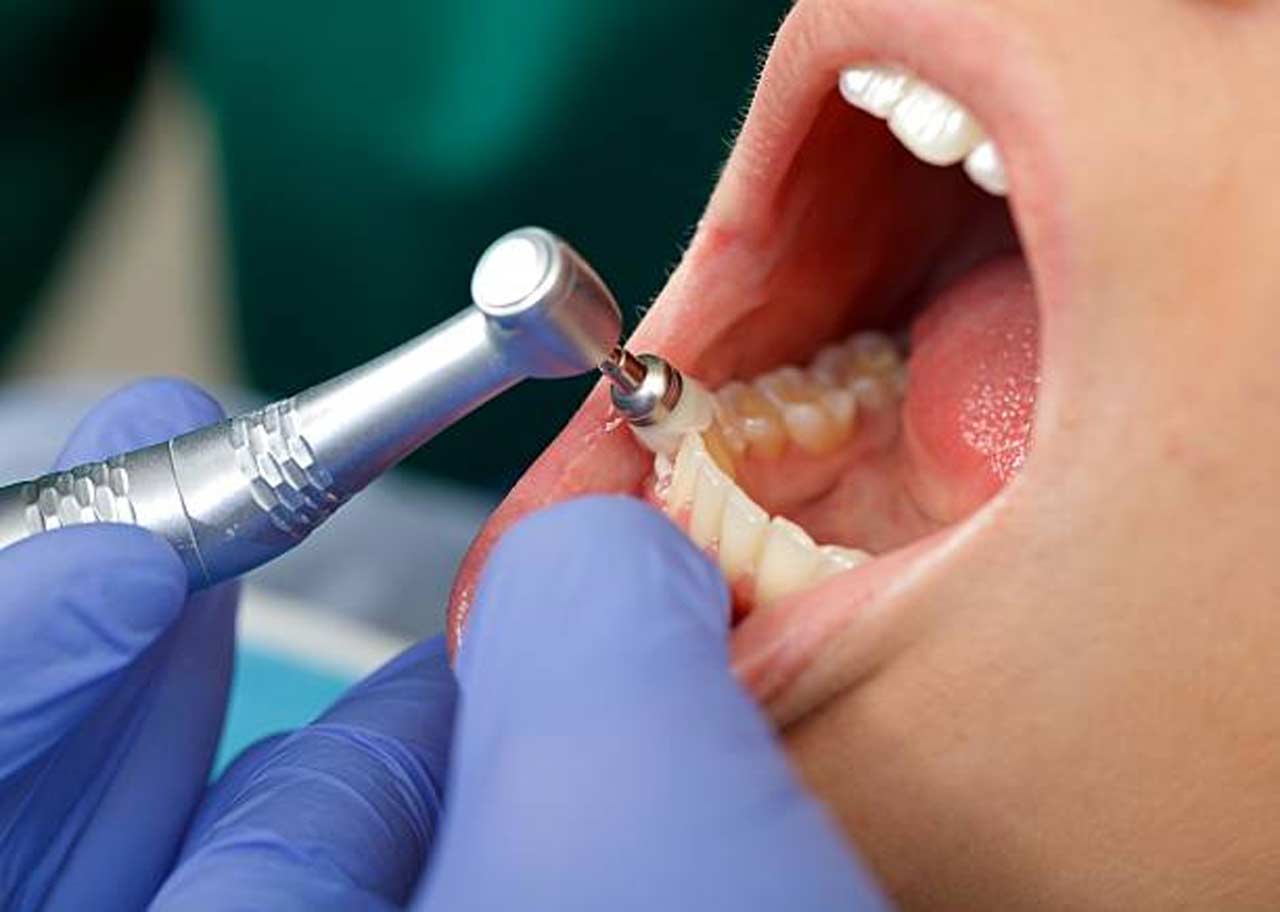
 You’re on your couch late at night and a dull ache begins to vibrate in your lower jaw. You glance at the clock. It’s after midnight. Your first thought is to power through the pain, take a couple of OTC painkillers and wait till morning to call a clinic. This wait and see approach is fine for a bit of muscle pull or a mild headache, but in the case of oral pain, it’s a risky gamble.
Dental issues do not follow regular office hours, nor do they resolve without intervention. What feels like a minor annoyance at 11:00 PM can transform into an agonizing, systemic health risk by sunrise. Differentiating between a condition that can wait a few hours and a true dental emergency in Singapore residents need to address immediately is vital. Understanding the subtle indicators means you can make fast, informed decisions when time is of the essence.
The False Security of “Manageable” Pain
Pain is the body’s first alarm system, but the intensity of pain does not always directly correlate to the severity of the underlying problem. Sometimes a dull, lingering ache can indicate a far more dangerous infection than a sharp, sudden twinge from a cold drink.
Persistent Throbbing That Worsens When Lying Down
If you find that your toothache gets worse the minute you lie down in bed, you have a classic sign of advanced pulpal inflammation. When you lie flat blood pressure changes and pools in your head increasing the hydrostatic pressure inside the rigid walls of your inflamed tooth.
This pressure on the mechanics only increases the throb. If this particular pain is not relieved by over-the-counter pain relievers or if you are awakened from a sound sleep by the pain, the internal nerve is under extreme pressure. If left overnight, the inflammation in the pulp can spread beyond the root apex, making treatment more difficult later on.


The Sudden Disappearance of Severe Pain
The most dangerous trap in oral health is maybe the sudden disappearance of excruciating pain for no reason. If you have had a bad toothache for a few days and it suddenly disappears completely, don’t think the problem has resolved itself.
Why a Dead Nerve Is a Ticking Time Bomb
If the pain is long-term and severe, and then suddenly stops without any treatment, then this usually means that the nerve inside the pulp of the tooth has finally died. The source of the pain sensation is gone, but the bacterial infection that killed the nerve is still very active. The nerve is dead and the bacteria multiply quickly in the empty space of the root canal. Eventually they exit through the bottom of the root, invading the surrounding bone and soft tissues to produce a painful, localised collection of pus, called an abscess.
Visible Red Flags You Cannot Afford to Ignore
Pain is very subjective, but the changes in your oral cavity and facial structure are objective evidence of a medical crisis. These signs need to be diagnosed by a professional immediately.
Asymmetrical Facial Swelling and Moving Inflammation
If your jaw or cheek is feeling a bit puffy, check yourself out in the mirror. True facial swelling is never a benign sign This means that an infection has entered the dense outer layer of your jawbone and is actively travelling through the soft tissue pathways in the area.
You have to watch this closely. If you notice the swelling moving toward your eye, down your neck or across the floor of your mouth you have a serious medical situation. These infections can spread quickly through the soft tissues and can threaten the airway or spread to the brain. Treatment involves urgent removal of the source and drainage of the fluid.
Uncontrolled Bleeding and Changes in Gums
If you floss daily, you may experience some minor bleeding, which is usually the sign of chronic gingivitis, and it can be treated at your routine checkup. But if it’s a constant heavy flow, that’s a different story. You need immediate care if you develop a traumatic impact, an accidental fall, or a recent tooth extraction and your mouth fills with blood that does not stop after twenty minutes of firm, direct pressure.
Also, keep a sharp eye out for small, pimple-like bumps on your gums, which are commonly referred to as gum boils. These are draining sinus tracks from a deep seated bone infection. They may drain fluid and temporarily relieve localised pressure but they need prompt professional management to prevent the infection from spreading deeper into your jaw.
Structural Trauma: Saving Your Natural Teeth
Accidents happen in a blink of an eye, be it a weekend sports match at the East Coast or a simple walk on a pavement. Once the physical trauma to your dental structure occurs, the clock begins to tick immediately.
The Golden Hour for a Knocked-Out Tooth
If an accident suddenly knocks a permanent tooth out of its socket, there is a small window of opportunity to save the tooth. This is called an “avulsed” tooth by dentists and what you do in the next 30-60 minutes determines if the tooth can be successfully re-integrated into the bone.
Here is how to deal with the situation with concrete, timely steps to maximise your chances of saving your natural tooth:
- Handle with care: Only handle the tooth by the smooth crown (the chewing surface) and never touch the sensitive, fibrous root structure.
- Keep it moist: Rinse off visible dirt gently in cold water or milk for ten seconds, but do not scrub or remove any attached tissue fragments.
- Attempt reinsertion: Put the tooth back in the socket (don’t touch the root). Bite down carefully on clean gauze to hold the tooth in place.
- Use a storage medium: If you cannot reinsert it, immerse the tooth completely into a small container of cold milk or saliva to preserve the living cells along the root.
- Seek immediate care: Head to the emergency room now. Teeth that are re-implanted within an hour have a far better chance of survival.
Fractures, Deep Cracks, and Dislodged Restorations
A little cosmetic chip from a hard piece of food can usually wait a day or two to visit. But a deep structural fracture is an obvious emergency. When a crack reaches below your gumline it exposes the internal nerve and blood vessels completely to the bacteria in your saliva.
The same is true for missing crowns or bridges that expose jagged, sharp tooth structures. An unprotected, broken tooth is not only very painful functionally, but also very susceptible to further fracturing with normal biting forces. This can easily turn a tooth that could be treated into a tooth that needs to be completely extracted.
How to Triage Your Symptoms at Midnight
If you’re not sure whether your situation warrants an immediate visit to a clinic, it can help to walk through a quick internal triage system to help clarify your options. Ask yourself these particular questions:
- Are you in such severe oral pain that you can’t sleep, work or concentrate at all, even after taking maximum doses of over-the-counter painkillers?
- Is there swelling in your face, cheek or jawline that you can see and feel that is getting bigger?
- Have you had a traumatic injury that has loosened, broken or knocked out a permanent tooth?
- Is there continuous heavy bleeding from your gums or an extraction site that does not stop after applying firm pressure for twenty minutes?
If you answered yes to any of the above questions, you’re dealing with a situation that needs immediate, professional care, not a wait-and-see attitude.
Navigating Emergency Dental Care in Singapore
You need to know your local options when you need care at odd hours. Singapore has good healthcare, but regular dental clinics close early in the evening. If you delay care for a serious infection or structural injury until normal hours, you risk unnecessary pain and complications.
Specialised clinics like Nuffield Dental offer dedicated emergency dental services in Singapore in case you face an unexpected crisis outside the regular clinic hours. Since oral health problems rarely fix themselves, timely treatment is a good way to protect your smile, and your health in general. These specialised clinics are equipped with the diagnostic digital X-ray equipment and the surgical tools needed to relieve pain immediately, to stabilise structural fractures and to provide targeted therapies to prevent infections from spreading on the spot.
Protecting Your Long-Term Oral Health
Disregarding the subtle warning signs of an oral health crisis alters the course of your treatment. What starts as a localised infection that could be resolved with a simple root canal or protective crown can escalate into a systemic complication that requires invasive surgical extractions, bone grafting, or hospital admissions.
When your body tells you something is wrong, listen. Pain, unexpected swelling, trauma to the structure are obvious signs that your teeth and gums need help immediately. Catching these subtle red flags early and knowing exactly where to go for prompt care saves your natural smile, avoids unnecessary discomfort and preserves your long-term health.
Frequently Asked Questions
What is considered a true dental emergency?
A real dental emergency is when there is extreme, uncontrollable pain, swelling spreading rapidly in the face or jaw, uncontrolled bleeding from the mouth, or acute trauma that results in a permanent tooth being knocked out or severely fractured. These conditions require immediate professional treatment to control infection and preserve the tooth structure.
Can I go to a hospital emergency room for a toothache?
You should go to a hospital Accident & Emergency (A&E) department if your toothache is accompanied by high fever, severe difficulty swallowing or breathing, or swelling that is rapidly spreading down your neck. For isolated tooth pain or broken teeth without systemic symptoms, an emergency dental clinic is typically better equipped to treat the dental issue directly.
Can an emergency dentist remove a tooth immediately?
Yes, an emergency dentist can do an immediate extraction if a tooth is so decayed, broken beyond repair, or causing an advanced infection that threatens the surrounding jawbone. However, the ultimate goal of emergency dentistry is always to save your own natural tooth by conservative procedures, whenever this is clinically possible.
Is a lost filling or crown a dental emergency?
A lost filling or crown is an emergency if it causes severe pain, exposes highly sensitive internal nerves to air and bacteria, or results in sharp edges that cut your tongue and cheeks. If you have no pain or discomfort, you can usually wait a day or two to see your usual dentist.
How long can a knocked-out tooth survive outside the mouth?
If a permanent tooth is completely knocked out, the best chance for its survival is if a dentist replants it within 30 to 60 minutes of the injury. Keeping the root moist in milk or saliva during transport is critical to preserving the living cells needed for successful reattachment.