Key Takeaways
Hawaiian paintings burst with vibrant colors, capturing the essence of the islands. They depict sunsets, oceans, and landscapes that serve to connect viewers to the spirit of Hawaii.
In these artworks, brushstrokes reflect local culture and the natural world, inviting viewers to engage in a unique dialogue with the painter’s distinctive vision.
Nature stands as a primary muse for Hawaiian artists, with coastlines and lush flora inspiring works that convey a profound respect for the land.
Such paintings create inviting spaces, radiating warmth and serenity. They foster conversation in common areas and tranquility in more private settings.
Moreover, colorful artwork enlivens home environments, encouraging creativity and optimism; this makes Hawaiian art particularly suited for relaxation and gathering spaces.


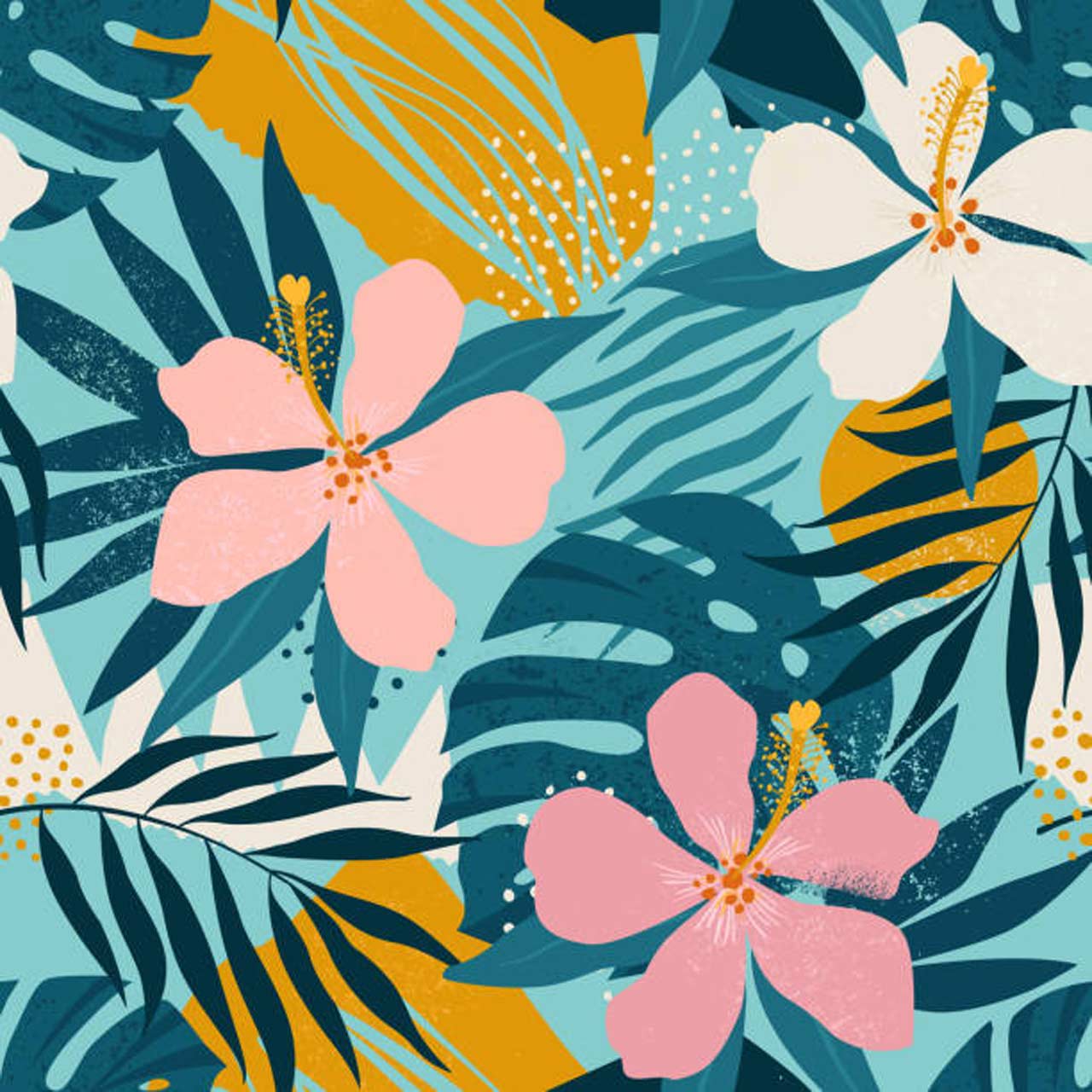
Traditional Hawaiian themes often carry rich symbolism, with turtles representing prosperity and hibiscus flowers embodying beauty, thus enhancing the cultural significance of the pieces.
Modern artists breathe new life into Hawaiian heritage, melding traditional symbols with innovative techniques, ensuring that the culture remains vibrant and relevant in contemporary discussions of identity.
Discovering the Allure of Hawaiian Landscape Art
How Vivid Colors Capture the Essence of Hawaii
The appeal of Hawaiian paintings largely stems from their vivid colors. Artists skilfully capture the island’s stunning sunsets, azure oceans, and lush landscapes, delivering a visual feast that tantalizes the senses. These colors do much more than please the eye; they narrate stories. Rich oranges, deep blues, and vibrant greens connect viewers to the spirit of the islands, stirring memories of warm breezes and gentle surf. Why do these hues resonate? They transport individuals, creating an immediate sense of closeness to Hawaii.
However, it’s more than just eye-catching aesthetics. Each brushstroke holds echoes of local culture, history, and nature. When one gazes at a Hawaiian landscape, there’s beauty in the connectedness. They engage in a dialogue with the artist’s unique vision, bringing the island’s spirit alive on canvas. There’s a rhythm in those colors, reflecting the heartbeat of island life.
The Role of Nature in Hawaiian Artistic Expression
Naturally, nature often emerges as the prime muse for Hawaiian artists. Coastlines, mountains, and tropical flora provide boundless inspiration. Many artists forge deep connections here, crafting works that resonate on levels beyond mere visuals. Consider the delicate frangipani flowers or the majestic peaks of Mauna Kea—each element conveys tradition, respect, and reverence for the landscape.
Furthermore, the interaction between tradition and innovation becomes striking when viewing these pieces. Experts suggest that the landscapes often reflect the personal experiences of the artists, channelling their understanding of nature. This bond creates an emotional connection with audiences. Observers might sense the cooling mist from a nearby waterfall or hear the gentle rustling of palm trees swaying in the breeze.
“Art isn’t just a reflection of nature; it’s a reflection of how we feel about nature.”
Bringing the Spirit of Aloha into Your Home
Creating Inviting Spaces with Hawaiian Paintings
Undeniably, Hawaiian paintings hold significant power. Each artwork brings warmth and serenity into a room. Clients often report an immediate sense of calm when enveloped by art that mirrors island life. Decorating with Hawaiian art transcends simple decoration; it embodies a statement—inviting the spirit of Aloha indoors.
Strategic positioning of these pieces can transform an atmosphere. In common areas like living rooms, they can spark conversations. In private spaces, such as bedrooms, they nurture tranquility. Artists intuitively understand how colors and composition evoke emotions, making their contributions essential for visual appeal and emotional resonance.
- Think about size and scale: a large canvas can anchor a room.
- Balance bright artworks with neutral tones to avoid overwhelming the senses.
- Incorporate complementary decor elements like natural wood or stone to enhance the overall aesthetic.
Why Colorful Artwork Resonates with Island Vibes
Color plays a pivotal role in the emotional landscape of home decor. Hawaiian paintings are alive with energy, often showcasing the playfulness of sun and sea. There’s an inherent joy within these images, making them perfect for spaces meant for relaxation or gathering.
Significant bursts of color also stimulate creativity, which proves beneficial in environments designed for imaginative pursuits—like home offices or studios. The sunny yellows and ocean blues invigorate otherwise dull spaces, turning them into vibrant sanctuaries. Coupled with their aesthetic appeal, these artworks infuse a refreshing quality that promotes optimism and positivity.
“A well-placed Hawaiian painting doesn’t just complement a room; it redefines it.”
Exploring the Cultural Significance of Hawaiian Art
The Symbolism Behind Traditional Hawaiian Themes
Delving into Hawaiian artistic practices reveals layers of meaning. Traditional themes frequently center on the connection between humanity and nature. For instance, the turtle embodies longevity, while the hibiscus flower signifies beauty and delicacy. Incorporating these symbols into art creates a rich narrative that reflects the values and beliefs treasured by native Hawaiians.
Understanding these themes deepens the experience of viewing Hawaiian paintings. It becomes clear that these pieces serve as cultural touchstones, extending beyond mere decoration. They tell tales of ancestry, tradition, and the enduring relationship with the land. Engaging with these symbols allows clients to appreciate added depth within their home environments.
- Turtles represent prosperity and longevity.
- Hibiscus flowers embody beauty and grace.
- Wave patterns symbolize life’s constant changes.
How Modern Artists Interpret Island Heritage
Modern interpretations of Hawaiian art introduce another layer of depth. Many contemporary artists honor traditional themes, yet infuse their works with personal insight and current aesthetics. This juxtaposition between traditional symbols and fresh viewpoints is thrilling. Observers can see how new artists experiment with mediums, at times blending in mixed media or even digital elements to broaden cultural expressions.
This evolving dynamic ensures Hawaiian culture remains alive. Clients frequently appreciate the fusion of familiarity with the innovative, crafting artworks that are visually striking and culturally provocative. Such exchanges between past and present foster a wider dialogue about identity and representation.
Practical Tips for Choosing Hawaiian Art for Your Space
Pairing Hawaiian Paintings with Interior Design Elements
Integrating Hawaiian paintings into interior design demands a thoughtful approach. Each piece should resonate with the surrounding decor, creating a coherent aesthetic. When selecting artwork, it’s crucial to consider the existing color palette of the room. Will the artwork contrast or complement the space? Harmonious choices often elevate both the piece and the environment.
Professionals advise paying attention to the style of furnishings and textiles. A traditional Hawaiian painting might clash with ultra-modern decor, while contemporary pieces can blend seamlessly into minimalist settings. The key is to harmonize styles, ensuring art feels like a natural extension of the space.
- Evaluate lighting: natural light enhances color vibrancy.
- Align artwork styles with furniture trends for a unified look.
- Consider creating a gallery wall showcasing multiple Hawaiian pieces together.
Maximizing Light and Space with Island-Inspired Artwork
Hawaiian paintings can significantly alter spatial perceptions. Brightly colored artworks can make smaller rooms appear larger and more expansive. It’s all about visual tricks. For example, positioning art at eye level draws engagement while preventing it from overwhelming the space.
When arranging pieces, balance remains essential. Larger artworks work well on expansive walls, while smaller pieces can form clusters that invite closer inspection. Framing also plays a significant role. Simple frames often allow the artwork to breathe, while more elaborate frames can add character without overshadowing the pieces themselves.
“Art is not just a decoration; it’s part of the architecture of our lives.”
Ultimately, the selection of Hawaiian paintings lies in embracing culture, vibrancy, and personal expression. Thoughtful integration into living spaces means these artworks do more than just adorn walls; they narrate stories and encapsulate the spirit of the islands, transforming a house into a true sanctuary.
FAQ
What types of Hawaiian paintings are most popular among collectors?
Collectors often find themselves drawn to landscapes and seascapes that highlight Hawaii’s natural beauty. Additionally, pieces featuring native flora and fauna, like hibiscus and turtles, are frequently favorites due to their vibrant colors and cultural significance.
How can one identify a genuine Hawaiian painting vs. a mass-produced replica?
Authentic Hawaiian paintings typically showcase unique brushwork and a genuine connection to island culture. Observing the artist’s technique and materials, along with their provenance, can offer crucial insights. Engaging with reputable galleries or artists can further ensure authenticity.
Are there certain themes in Hawaiian art that resonate more during specific seasons?
Indeed, seasonal themes often correlate with local traditions. For instance, summer may highlight vibrant ocean scenes, while winter might focus on cultural festivals. These themes capture the rhythms of island life, reflected in local artists’ paintings.
How can businesses benefit from incorporating Hawaiian art into their spaces?
Businesses can transform their environments by fostering a welcoming atmosphere and encouraging creativity through Hawaiian art. Clients typically find that colorful artworks invigorate spaces, converting sterile areas into engaging environments that attract customers.
What role does storytelling play in Hawaiian art?
Storytelling is fundamental to Hawaiian art, as many pieces encapsulate rich narratives tied to cultural identity. Artists frequently weave personal or ancestral stories into their work, enabling viewers to connect with the islands’ history and heritage at a deeper level.
How has technology influenced contemporary Hawaiian art?
Technology has paved the way for Hawaiian artists, facilitating mixed media, digital art, and broader distribution channels. Artists can now merge traditional motifs with modern techniques, reaching wider audiences and helping to sustain the culture through innovative expressions.
Can Hawaiian paintings be effective in commercial settings like hotels or restaurants?
Absolutely. Hawaiian paintings are adept at crafting an inviting ambiance that enhances the overall guest experience. Hotels and restaurants often showcase these works to evoke a sense of relaxation and connection to the islands, making patrons feel at home.
What are the best practices for caring for Hawaiian art pieces?
To preserve the vibrant colors and integrity of Hawaiian paintings, it’s crucial to shield them from direct sunlight and humidity. Utilizing archival framing materials paired with appropriate cleaning methods can extend the life and visual appeal of these cherished pieces.