Trichotillomania and Hair-Pulling Disorder vs Stress-Induced Hair Loss: Which Condition Requires Professional Treatment?

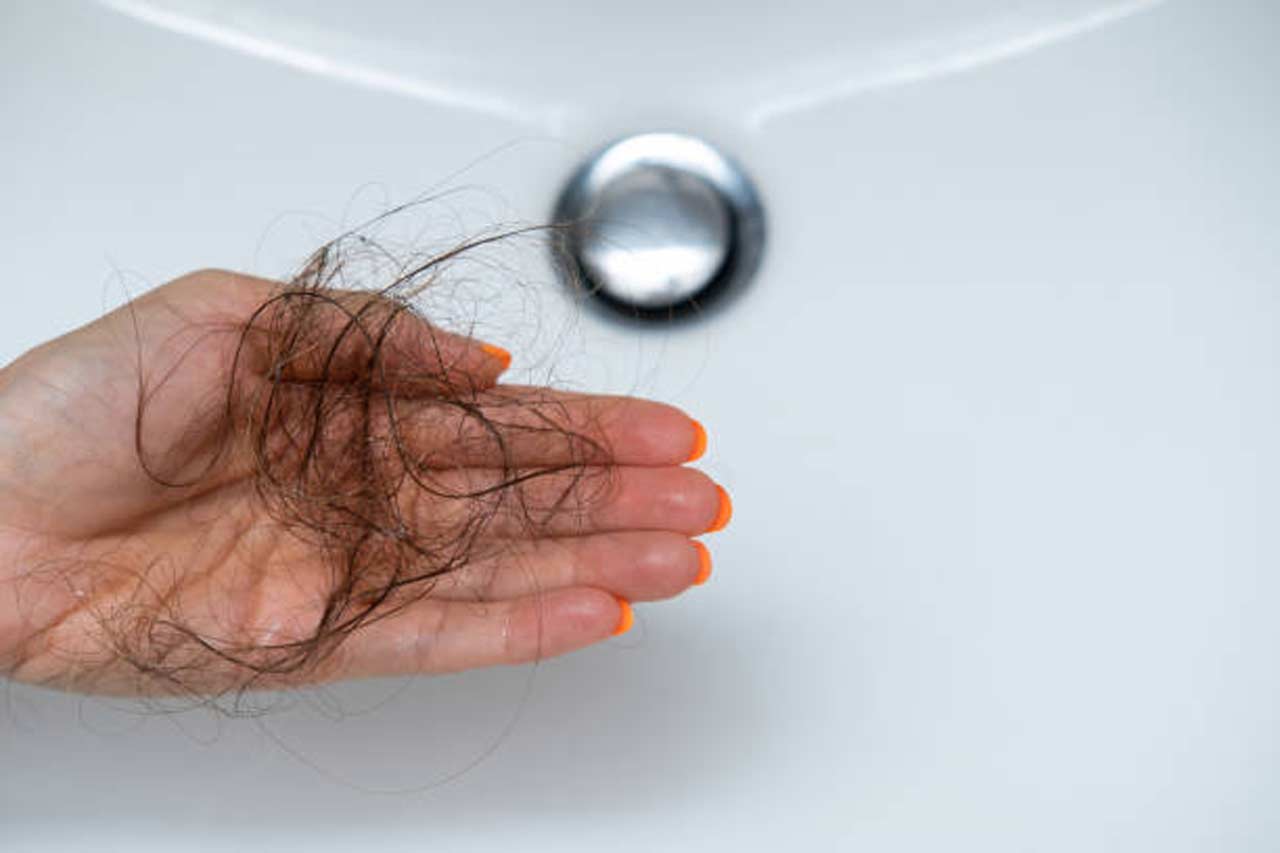 Hair loss can be an alarming experience, especially when its underlying cause is not immediately clear. Among the various types of hair loss, Trichotillomania and Stress-Induced Hair Loss are two conditions that present distinct challenges and require different approaches for management. Understanding the differences between these disorders is crucial for determining the appropriate treatment. This article explores the causes, symptoms, and treatment options for both Trichotillomania and Stress-Induced Hair Loss, guiding you on when professional intervention might be necessary.
Trichotillomania: Causes and Symptoms of Hair-Pulling Disorder
Trichotillomania, often referred to as Hair-Pulling Disorder, is a mental health condition characterized by an irresistible urge to pull out one’s own hair. This disorder is classified as a body-focused repetitive behavior (BFRB) and is commonly linked with emotional distress or anxiety. Individuals suffering from Trichotillomania often experience a buildup of tension that is temporarily relieved by hair-pulling. Common symptoms include noticeable hair loss, patches of baldness, and the presence of hair-pulling tools or rituals.
The prevalence of Trichotillomania varies, affecting approximately 1-2% of the population (Source: American Psychiatric Association, 2022). The disorder often begins during childhood or adolescence, and its severity can fluctuate over time. Treatment typically involves cognitive behavioral therapy (CBT) to address the underlying psychological triggers, making it an essential focus in the management of the condition. To learn more, visit this comprehensive resource on Trichotillomania and Hair-Pulling Disorder.
Stress-Induced Hair Loss: Identifying the Triggers
Stress-Induced Hair Loss, on the other hand, is primarily linked to periods of intense emotional or physical stress. This type of hair loss can manifest as telogen effluvium, where hair prematurely enters the shedding phase. Unlike Trichotillomania, Stress-Induced Hair Loss does not involve a compulsion to pull out hair but rather results from physiological responses to stress.
Potential triggers include major life changes, illness, or psychological stressors. The hair loss is often temporary, with hair regrowth occurring once the stressors are managed or resolved. Addressing Stress-Induced Hair Loss may involve stress management techniques, lifestyle modifications, and nutritional support. Recent studies from the National Center for Biotechnology Information highlight the importance of understanding these triggers to mitigate hair loss effectively.


Comparative Analysis: Treatment Options for Each Condition
When comparing treatment options for Trichotillomania and Stress-Induced Hair Loss, it is important to recognize the unique approaches required for each condition. Trichotillomania benefits from interventions such as behavioral therapy, which focuses on cognitive restructuring and habit reversal techniques. These methods aim to reduce the urge to pull hair by identifying and altering the behaviors associated with the disorder.
Conversely, managing Stress-Induced Hair Loss involves addressing the root causes of stress, which may include implementing stress reduction practices such as mindfulness and meditation. Additionally, the use of a Marketing Automation Platform can be beneficial for individuals engaged in high-stress professional environments, facilitating better workflow management and reducing stress-related hair loss.
Both conditions may require targeted interventions, but the choice of treatment depends significantly on the individual’s specific circumstances and the severity of their symptoms. Tailored approaches, such as A/B Split Testing with therapeutic strategies, can optimize treatment effectiveness.
When to Seek Professional Help for Hair-Related Disorders
Determining when to seek professional help for hair-related disorders involves evaluating the persistence and impact of symptoms. Individuals experiencing significant distress or functional impairment due to their hair loss should consider consulting a healthcare professional. Behavioral Targeting techniques in therapy can help in identifying specific patterns that exacerbate Trichotillomania, while those dealing with Stress-Induced Hair Loss may benefit from guidance on stress management and lifestyle adjustments.
Professional intervention is recommended when self-help strategies prove insufficient, or when hair loss affects quality of life. Engaging in a thorough Customer Journey Mapping with healthcare providers can ensure a comprehensive approach to treatment, addressing both psychological and physiological aspects of hair loss.
Conclusion
Understanding the differences between Trichotillomania and Stress-Induced Hair Loss is key to determining the appropriate pathway for treatment. While both conditions can lead to significant hair loss, the underlying causes and effective interventions differ. By seeking professional help when necessary, individuals can address these disorders and improve their overall well-being. Professional treatment tailored to each condition offers the best chance for recovery and regaining confidence in one’s appearance.