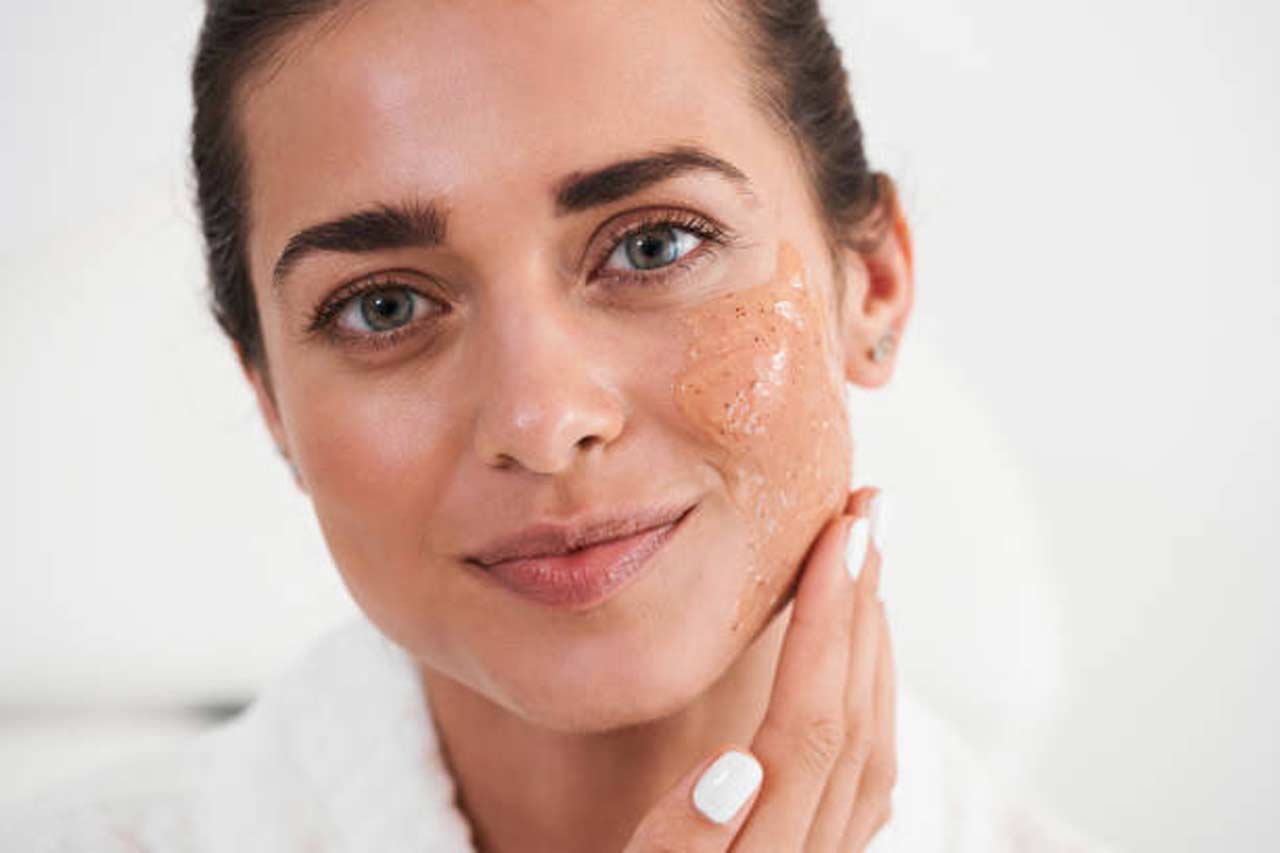
It’s normal to feel frustrated when your skin feels rough, even if you’re cleansing regularly. You may notice little bumps on your cheeks, makeup that won’t sit evenly, or a dull look that won’t improve with a simple face wash. In many cases, the issue is not a lack of cleansing but a buildup of dead skin cells on the surface. This is where exfoliating can help. When used consistently, the best exfoliating scrub for the face can help remove that buildup and leave skin looking smoother,
What Does Skin Texture Mean?
. Common signs of uneven texture include:
- Bumpy patches
- Little bumps on the skin (especially on the forehead)
- Bigger-looking pores
- Dullness and excessive tanning
- Flaky areas (on the T-zone, nose and chin)
- Rough skin
This is unlike concerns such as wrinkles, deep acne scars or pigmentation. Exfoliation can help to improve the smoothness of the skin so it looks fresher and more refined.
How Exfoliation Face Scrub Improves Skin Texture
Sweat, sunscreen, pollution, and excess oil can mix with dead skin cells, particularly on the nose, chin and forehead. Even after cleansing, this buildup can cause the skin to feel rough and appear dull.


An exfoliating facial scrub is what physically removes the dead skin cells from the outer layer of the skin. This also supports the skin’s natural turnover and helps to remove buildup around the pores. Main Benefits:
- Smooth out rough spots
- Minimise the look of clogged pores
- Help the skin feel softer.
- Give the skin a brighter, less dull appearance.
When these dead skin cells are removed, moisturisers can spread more evenly, and the skin feels generally smoother to the touch. Dermatologists generally recommend gentle exfoliation rather than harsh scrubbing. Over-exfoliating can disrupt the skin barrier and lead to irritation.
Choosing the Right Exfoliating Facial Scrub
Choosing a scrub isn’t just about the grit factor. A good product should exfoliate well without leaving your skin feeling tight, red or irritated. Here are some important factors to consider when looking for one:
1. Look at the exfoliating particles
Most dermatologists generally recommend fine, rounded particles over sharp, irregular ones. The rounded particles help to remove dead skin cells and reduce the chance of micro-tears that can occur with very harsh scrubs.
2. Consider the supporting ingredients
An exfoliating face scrub works best when it combines exfoliation with hydration. Dermatologists generally prefer scrubs that combine gentle physical exfoliation with proven exfoliating ingredients rather than relying on harsh particles alone. These can include:
- Mandelic acid: A gentle AHA with larger molecules that exfoliate more slowly, ideal in a
- scrub for combination skin, beginners and sensitive skin.
- Lactobionic Acid: Exfoliates dead skin buildup while drawing moisture to the skin and improving its texture.
- Salicylic Acid: Penetrates oily pores to help remove blackheads, congestion & rough texture around the T-zone.
- Shea butter: Nourishes and softens skin, helping to reduce the feeling of dryness.
3. According to your skin type
- Oily skin: Gel-based scrub with pore-clearing ingredients
- Combination skin: A gentle scrub for combination skin exfoliates without over-drying areas like the T-zone.
- Dry skin: Cream-based face scrub with hydrating ingredients
- Sensitive skin: Formula tested by dermatologists with mild exfoliation
4. According to your skin concern
- For Blackheads and clogged pores: Salicylic acid
- For Dullness and tanning: Mild AHAs such as Lactobionic acid in an effective tan removal face scrub.
- For Rough texture: Gentle physical exfoliants with hydrating agents such as Shea butter
- For Post-shave roughness: Soothing ingredients such as Aloe vera and Panthenol
A balanced formulation is Chemist At Play Gentle Exfoliating Face Scrub for Blackheads & Tan Removal, which includes gentle exfoliating particles, along with AHAs and PHAs like Mandelic Acid, Walnut Shell Powder, and Acai Berry, to help clear away dead skin buildup, but it is gentler than your average coarse scrub. The formula helps with blackheads and surface dullness without harsh chemical exfoliants.
How to Use a Face Scrub for Best Results
Using a scrub correctly matters just as much as choosing the right one. Many people think that scrubbing harder will work faster, but applying too much pressure can cause irritation and redness.
- Always apply on wet skin: Wash your face with a gentle cleanser and allow your skin to remain slightly damp.
- Use a small amount: Usually, a pea-sized amount is enough for your whole face.
- Massage gently for 30-60 seconds: Use light, circular movements, and focus on areas that are prone to buildup, such as the nose, chin, and forehead. Don’t scrub aggressively around the eyes.
- Rinse thoroughly: Use lukewarm water, not very hot water.
- Follow with moisturiser and sunscreen: Apply a moisturiser immediately after exfoliating. Use SPF during the day because freshly exfoliated skin can be more sensitive to UV exposure.
How Often Should You Scrub?
| Skin type | Frequency |
| Oily skin | 2–3 times per week |
| Combination skin | 2 times per week |
| Dry skin | 1–2 times per week |
| Sensitive skin | Once weekly, if tolerated |
Simple Tips Before Exfoliating
- Patch test new scrub on a small patch for 24 hours.
- Do not use a scrub on irritated or broken skin.
- If you shave regularly, then exfoliate on a different day from shaving when possible.
- Avoid combining a strong scrub with multiple exfoliating acids in the same routine if your skin is easily irritated.
Conclusion
An effective exfoliating facial scrub can help improve the texture of your skin by removing the buildup of dead skin, smoothing rough areas and reducing the appearance of clogged pores. The trick is to choose a mild formula that is right for your skin type and to apply it regularly, not harshly. If you want to find the best face scrub for men or a scrub for your skin type, look for balanced exfoliation, hydrating ingredients, and correct usage techniques. With the right approach, smoother and healthier-looking skin is usually a gradual and noticeable result.