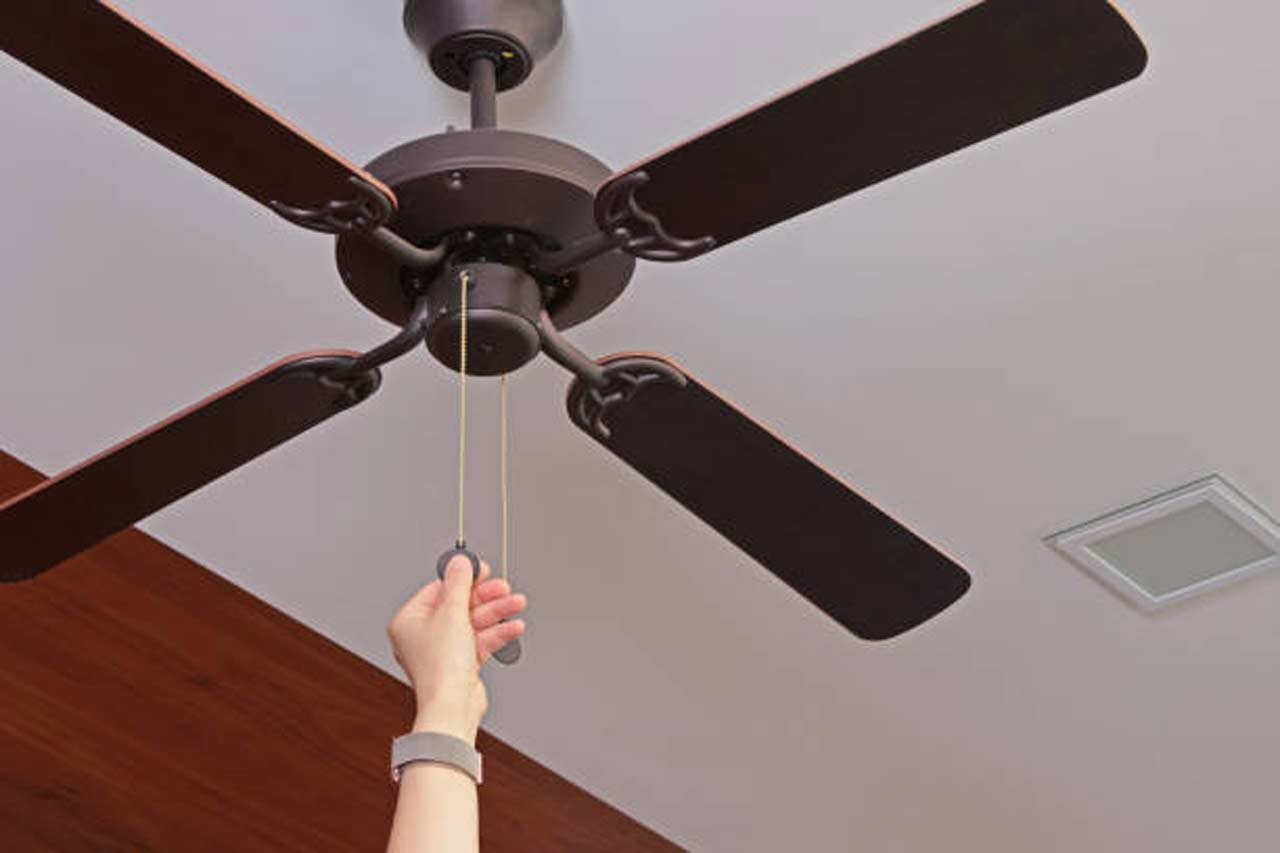
Ever walked into a room and caught a stale, damp smell? It often shows up in back bedrooms, closets, and corners behind furniture. Many people blame the walls or the paint. Yet the real problem is often still air. When air stays put, moisture stays put too. A ceiling fan can help with that. Most of us think of a fan as a way to cool off. But it can also keep the air in your home moving. In this guide, you will learn how to use your fan to fight that musty feeling. The tips are simple, and you can start today.
Why Still Air Feels Stuffy
Air that does not move can feel heavy. It also lets moisture linger on walls, windows, and fabrics. Musty smells often follow. Mold is the next worry. Its spores float around every home. They only need dampness to start growing. In fact, mold can begin within 24 to 48 hours after a leak. That is why quick action matters. Think about a leaky pipe under a sink. If the wet spot sits for days, the cabinet starts to smell. The EPA says wet areas should be fully dry within 48 hours. Moving air helps you hit that goal.
This is where a fan helps. Moving air carries moisture away from surfaces, so they dry faster. However, there is one key point. A fan does not pull water out of the air. It only moves the air around. So think of your fan as a helper, not a cure. A reliable ceiling fan from Hunter Fan can keep the air moving in a room every day. Then the other habits in this guide can do the heavy lifting.
Put Your Ceiling Fan to Work
Start with a simple habit. Run your fan while you cook, shower, or mop. These tasks add moisture to the air. Moving air helps that moisture spread out and dry. Keep the fan on for a while afterward, too. If your bathroom or kitchen has an exhaust fan, run that as well. It sends damp air outside. Timing matters, too. After heavy rain, run your fan for a few hours if the air feels sticky. Do the same after mopping the floors. Fans help wet floors and damp towels dry faster.


Next, keep doors open. Closed rooms trap moist air. Open doors let air travel from room to room. This works well for damp laundry rooms and basements. You can also prop closet doors open now and then. That lets fresh air reach your clothes and shoes.
Also, keep the blades clean. Dust builds up over time and can make a fan wobble and get noisy. A quick wipe now and then keeps it running smoothly.
Match the Fan to the Room
Not every room has the same needs. A kitchen deals with steam and heat. A bathroom faces even more moisture. Bathrooms need a fan rated for damp areas, because a standard model may not hold up. A low-profile fan works well in kitchens, since it stays clear of lights and cabinets. Bedrooms, meanwhile, do best with a quiet motor. Kids’ rooms and home offices count as well. In any space, pick a fan that fits the room size and ceiling height. A fan that is too big or too small will not move air well. This helpful guide on picking a ceiling fan for each room walks through these details. It is worth a read before you buy.
Track Your Humidity
You cannot fix what you cannot see. So get a small humidity meter. They are cheap and easy to find at hardware stores. The EPA advises keeping indoor humidity below 60 percent, and ideally between 30 and 50 percent. Check a few rooms each week. Look at the bathroom, the kitchen, and any room that smells stale. Watch for other clues too. Foggy windows, water stains, and a musty smell all point to too much moisture. Also, dry laundry outside when you can. Wet clothes release a lot of water into the air. Keep a simple note of your readings. If numbers spike after showers or rainy days, you will see the pattern fast.
Know When a Fan Is Not Enough
Sometimes a fan cannot keep up. If your meter keeps showing high numbers, it is time for more help. An air conditioner pulls moisture from the air as it cools. A room dehumidifier can do even more. You can also take other steps to lower humidity, such as fixing leaks and sealing drafty windows. Use your fan alongside these tools. Together, they work much better than any one alone.
If mold keeps coming back in the same spot, water is likely still getting in. Find the source first. If the problem is large, call a pro.
Final Thoughts
A ceiling fan is more than a summer cooler. It can keep the air moving all year. That small change can make rooms feel fresher. Start with easy habits. Run the fan when moisture is high. Keep doors open. Watch your humidity. Then add other tools when needed. With a little care, your home can smell clean and feel light every day.