Why the Pomodoro Technique Is Failing You (And the Fix That Actually Works)
Discover why the Pomodoro Technique may not work for you and learn actionable tweaks to boost focus, productivity, and deep work efficiency.

 You’ve tried the Pomodoro Technique, set your timer, and yet… your focus still drifts. You finish one 25-minute session and feel like you haven’t really accomplished much. Frustrating, right? You’re not alone. Millions of students, freelancers, and remote workers struggle with the same problem.
While the Pomodoro Technique is celebrated as a quick fix for procrastination and time management, it often fails to deliver results for many people.
Why? Because it doesn’t always match real-world attention spans, personal workflows, or deep work needs. People follow it like a rigid rule instead of a flexible tool. They hit a timer and expect instant productivity, but interruptions, distractions, and mismatched task sizes get in the way.
The good news is that this doesn’t mean the Pomodoro Technique is useless. In fact, small tweaks and smarter strategies can transform it into a powerful focus and productivity method. By understanding where it goes wrong and how to fix it, you can finally stop feeling stuck and start making real progress.
In this post, we’ll break down why the Pomodoro Technique may fail you, show you the common mistakes, and reveal simple, actionable solutions that actually work. You’ll learn how to tailor this method to your own brain, workflow, and energy levels, so you can finally boost focus, manage your time better, and get more done without feeling overwhelmed.


By the end of this guide, you’ll see the Pomodoro Technique in a completely new light and discover how even a small adjustment can make a huge difference in your daily productivity.
What Is the Pomodoro Technique?

The Pomodoro Technique is a simple yet powerful productivity method designed to help you focus and accomplish more. The idea is easy: you work for 25 minutes straight, giving your full attention to one task, and then take a 5-minute break. This cycle repeats several times, helping your brain stay alert without getting tired. Many people refer to this as a Pomodoro focus technique because it trains you to concentrate deeply for short periods.
The technique was created in the late 1980s by Francesco Cirillo, who used a tomato-shaped kitchen timer—“Pomodoro” means tomato in Italian—to track his work sessions. He discovered that breaking tasks into small, timed intervals made them feel easier and more manageable. Over time, this simple trick grew into a widely adopted Pomodoro productivity method.
So why did it become so popular? First, it’s super easy to use—no special tools are needed, just a timer. Second, it works for almost any type of task, from studying to office work, because it encourages regular breaks and avoids burnout. Finally, it gives a sense of accomplishment after each session, which motivates you to keep going.
Even though it’s simple, many people love the Pomodoro Technique because it turns overwhelming work into small, manageable chunks. Later, we’ll explore why it sometimes fails and how you can tweak it to make it actually work for your brain and your workflow.
Common Reasons the Pomodoro Technique Fails

Even though the Pomodoro Technique is popular, it doesn’t always work for everyone. Many people face Pomodoro method problems that make it feel frustrating instead of helpful. One big reason is interruptions and context switching.
Life is full of distractions—emails, messages, or sudden tasks—and when your focus breaks, the timer doesn’t magically fix it. This is a common Pomodoro technique mistake that keeps people from seeing real results.
Another issue is overestimating focus capacity. Some people think they can concentrate perfectly for 25 minutes, but the brain can get tired faster, especially with tough tasks. When your mind drifts, the method feels like it’s failing. This explains why the Pomodoro technique doesn’t work for many learners, freelancers, and remote workers.
Lastly, rigid timing vs real workload is a common trap. Tasks aren’t always the same size. A small task might finish in 10 minutes, while a complex one could take an hour. Sticking strictly to 25-minute intervals can create stress instead of productivity. People feel pressured to stop mid-task or rush through work, which defeats the purpose of focused work cycles.
In short, the Pomodoro Technique can fail when it doesn’t match your real-life workflow, energy, and task complexity. Understanding these pitfalls is the first step to fixing them. Later, we’ll explore practical tweaks and alternative strategies that help you make the Pomodoro Technique actually work for your brain and boost your focus without frustration.
Who Struggles Most with the Pomodoro Technique

While the Pomodoro Technique works well for many, it doesn’t fit everyone. Some people find themselves thinking, “Pomodoro technique not working for me,” and feel frustrated despite trying hard. Understanding who struggles most can help you adjust the method to your needs.
Students and exam prep often face challenges. With heavy reading, complex assignments, or last-minute studying, the strict 25-minute work cycles may feel too short. Constantly stopping for a break can break their flow, making it hard to retain information and stay focused.
Remote workers and freelancers also face unique obstacles. Their work environment may include distractions like family members, notifications, or multiple projects. Sticking to rigid Pomodoro intervals while handling unpredictable tasks can feel unnatural, causing stress instead of productivity.
People with attention deficits, such as ADHD, often need more flexible strategies. The traditional 25-minute sessions may feel too long or too short, depending on their focus patterns. For them, the Pomodoro technique for ADHD focus requires adaptation, like adjusting session lengths or combining it with other focus techniques to match their energy levels.
In short, the Pomodoro Technique isn’t one-size-fits-all. Students, remote workers, freelancers, and people with attention difficulties may need customized approaches to make it effective. By recognizing your unique challenges, you can tweak the method to fit your workflow, boost focus, and finally get more done without frustration.
Signs You’re Using the Pomodoro Technique Wrong

Even the Pomodoro Technique can fail if it’s used incorrectly. Many people make Pomodoro technique mistakes without realizing it. Knowing the warning signs can help you fix them and improve your Pomodoro technique effectiveness.
One clear sign is feeling burnt out despite following it. If you finish multiple 25-minute sessions and still feel exhausted or unmotivated, your breaks or work cycles might not match your natural energy levels. This is a signal that the method isn’t adapted to your workflow.
Another warning is when work stacks up after breaks. Instead of feeling refreshed, you return to your tasks with a growing to-do list. Rigid timing can interrupt momentum, especially for larger or more complex tasks. Over time, this makes the Pomodoro feel more like a stress trigger than a productivity tool.
A third sign is the loss of flow and deep work. True focus happens when your brain enters a deep work state, but strict 25-minute intervals may cut this flow short. If you constantly feel like you’re stopping mid-thought or losing focus, the technique is not working for your real-life tasks.
Recognizing these signs is the first step toward improvement. By understanding where the Pomodoro Technique fails, you can adjust session lengths, plan tasks more realistically, and blend breaks into your natural focus rhythm. Doing so ensures the method becomes a powerful tool instead of a frustrating routine, helping you get more done with less stress.
How to Fix the Pomodoro Technique (And Actually Boost Productivity)

If the Pomodoro Technique isn’t working for you, don’t worry—it can be fixed with simple adjustments. The key is to make it fit your brain, tasks, and energy levels. Here’s how to use the Pomodoro technique correctly and get real results.
First, adjust the session length to your focus span. Not everyone can concentrate perfectly for 25 minutes. Try shorter or longer intervals depending on your energy and task complexity. This small tweak is part of the best Pomodoro technique setup and helps maintain deep focus without burnout.
Second, combine Pomodoro with time blocking. Instead of treating each 25-minute session as separate, plan your work around task categories and deadlines. This ensures your sessions align with actual workload, prevent stress from rigid timing, and support deep work and task batching.
Third, use tools to track real progress, not just the timer. Apps or simple checklists can show how much work you complete in each session. This helps you measure effectiveness and stay motivated. Tracking results is far better than blindly watching a countdown.
Finally, consider alternatives to the Pomodoro technique if strict cycles don’t fit your workflow. Some people prefer longer focus blocks, flow-based work sessions, or hybrid methods that combine Pomodoro principles with flexible timing.
By making these changes, the Pomodoro Technique stops feeling like a rigid rule and becomes a powerful productivity tool. You’ll finish tasks more efficiently, maintain focus, and finally enjoy your work without unnecessary stress.
Alternatives to the Pomodoro Technique
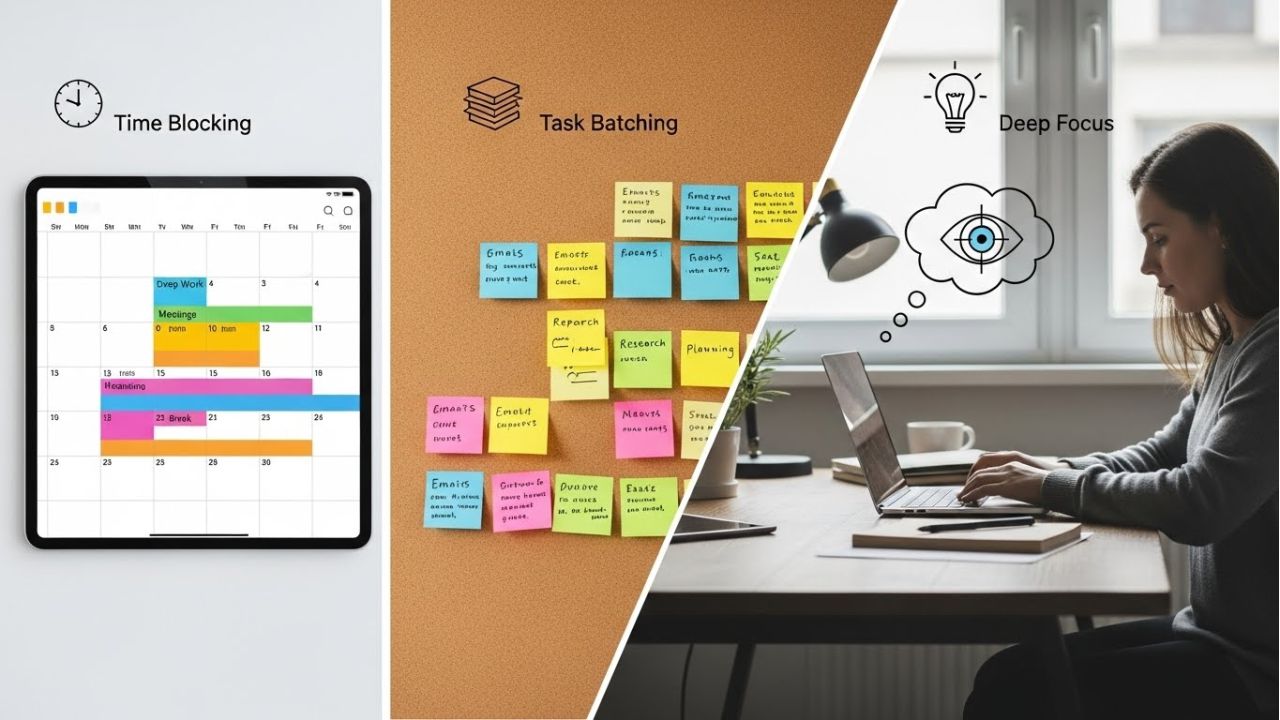
While the Pomodoro Technique works for many, it isn’t the only way to boost productivity. If you find it challenging, there are other productivity techniques that may suit your style better.
One effective alternative is time blocking for high-focus tasks. Instead of fixed 25-minute intervals, you dedicate large chunks of time to important work. This method helps you dive deep into tasks without constant interruptions, supporting deep work productivity. By scheduling focused blocks, you reduce context switching and get more done.
Another approach is task batching and flow-based work. Here, you group similar tasks and work on them in one go. This minimizes distraction and maximizes efficiency. When you follow your natural flow, you can complete tasks faster and maintain better focus. Many people find this more flexible than strict Pomodoro sessions.
For those who like structure but still need flexibility, hybrid approaches that combine Pomodoro + deep work can be powerful. You can use short Pomodoro intervals for smaller tasks and longer, uninterrupted sessions for complex projects. This balance allows you to enjoy the benefits of the Pomodoro focus technique while also engaging in deep work.
Even if the traditional Pomodoro Technique feels frustrating, these alternatives prove there’s no one-size-fits-all solution. By experimenting with time blocking, task batching, or hybrid methods, you can boost focus, manage your energy, and achieve more every day. The key is to find the approach that fits your brain, tasks, and schedule.
Quick Tips to Maximize Your Productivity Today

If you want the Pomodoro Technique to work better, small changes can make a big difference. Here are some actionable tips to boost focus and get more done every day:
- Adjust session length: Not everyone can focus for 25 minutes. Try shorter or longer intervals depending on your attention span. This tweak improves the Pomodoro focus technique and prevents burnout.
- Plan tasks in advance: Before starting, list your priorities. Knowing what to do keeps your mind clear and avoids wasting time between sessions.
- Prioritize deep work blocks: Schedule longer periods for complex tasks. Combining deep work with Pomodoro cycles helps improve attention span and ensures meaningful progress.
- Track real progress: Use apps or simple checklists to monitor tasks instead of only watching the timer. Seeing results motivates you to stay consistent.
- Minimize distractions: Silence notifications, close unused tabs, and create a quiet workspace. Protecting your focus makes every Pomodoro session more productive.
- Take purposeful breaks: Use 5-minute breaks to stretch, hydrate, or relax. Avoid scrolling social media, which can reduce focus for the next session.
- Experiment with hybrid methods: Combine Pomodoro cycles with task batching or time blocking. This helps you match your workflow and energy levels.
By applying these simple tips, the Pomodoro Technique becomes a powerful tool rather than a frustrating routine. With practice, you’ll notice better focus, attention span improvement, and real progress every day. Start small, tweak your sessions, and watch your productivity soar!
Take Control of Your Focus and Productivity Today
The Pomodoro Technique isn’t broken—it just needs a little adjustment. Many people struggle because they follow it too rigidly, ignore their natural focus cycles, or don’t match it to real-world tasks.
Common pitfalls like distractions, wrong session lengths, or skipping deep work can make it feel like it’s failing. But the good news is that small, actionable tweaks—like adjusting your work and break times, combining Pomodoro with time blocking, or tailoring it to your personal energy levels—can transform your productivity completely.
By understanding why the Pomodoro Technique may fail and applying these fixes, you can finally boost focus, get more done, and reduce stress. When you personalize your approach, you’re no longer trapped in a one-size-fits-all timer. Instead, you’re creating a system that works for your brain, your tasks, and your life. The benefits are huge: more consistent progress, better task management, and even time for deep work without burnout.
Now it’s your turn. Try these adjustments, see how they fit your workflow, and notice the difference. Don’t just follow a timer—create a personalized productivity method that makes sense for you. And when you do, share your experience in the comments, so others can learn from your journey too.
Remember, the Pomodoro Technique works best when it’s flexible, adaptive, and aligned with your real-life needs. With the right tweaks, you can turn it from a frustrating routine into a powerful productivity tool that actually helps you achieve your goals—every single day.