10 Smart Money Habits That Can Dramatically Transform Your Financial Life
Discover practical daily habits to save, spend wisely, and build long-term wealth in just 30 days.

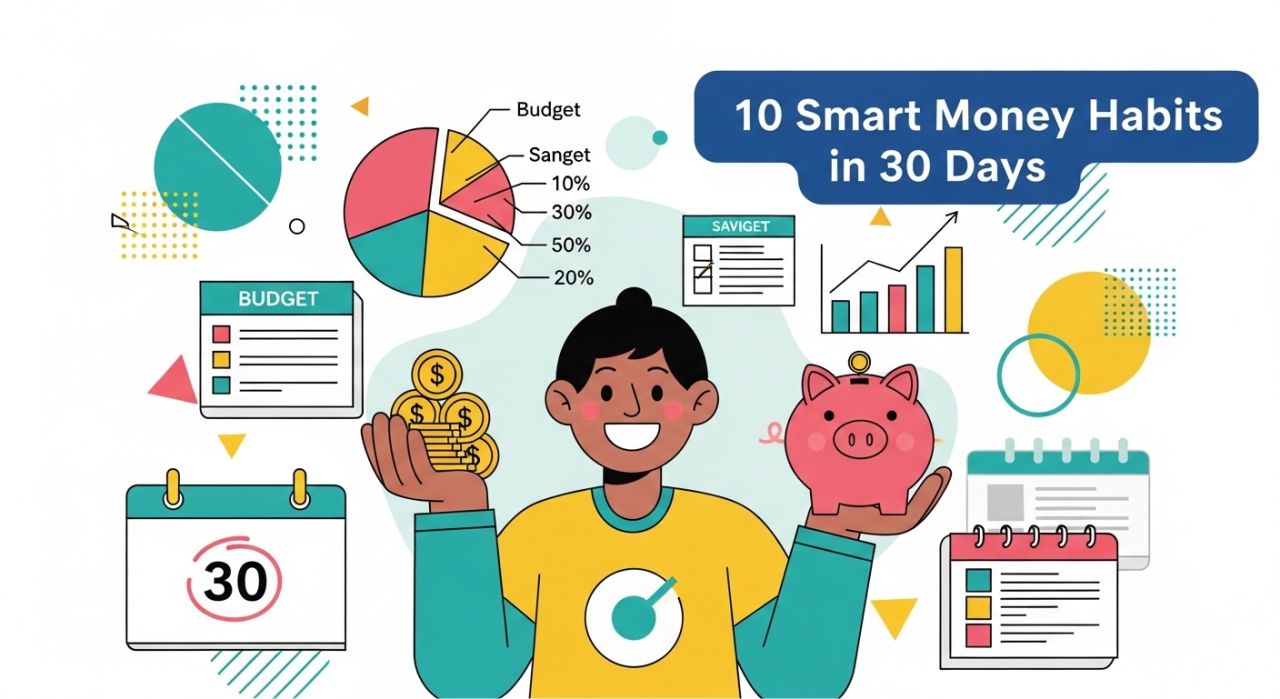
Most people struggle with money, not because they earn too little, but because of poor money habits. Even if you make a lot, bad spending and saving habits can keep you stressed.
That’s why smart money habits matter. These are simple, everyday money management habits that help you spend wisely, save more, and plan for the future.
When you follow good financial habits every day, you build financial discipline. This small discipline grows over time. Little actions like tracking your spending or saving a bit each week can dramatically improve your financial stability.
The best part? You don’t need to make huge changes. Tiny tweaks in your daily money habits can start building long-term wealth.


In this guide, we will show you 10 practical smart money habits you can start today. By following them, you can transform your financial life in just 30 days.
Whether you want to save more, pay off debt, or just feel confident about money, these habits make it simple. They are easy to follow, effective, and even a little fun.
Are you ready to take control of your finances? Let’s dive in and see how smart money habits can change your life for the better.
Why Smart Money Habits Are the Foundation of Financial Success

Your money habits shape your financial future more than your income. People often think earning more is the key, but how you spend, save, and plan matters even more. When you practice good financial habits every day, you start building long-term financial security without even noticing.
The way you think about money affects your choices. This is called a money mindset shift. If you focus on smart spending and saving, you make better decisions. On the other hand, poor thinking about money can lead to stress, debt, and missed opportunities. That’s why understanding your spending behavior is so important.
Poor money management habits have hidden costs. Skipping savings, overspending, or ignoring a budget may seem small, but over time, they can lead to big problems. Missed opportunities, high debt, and financial stress are just the beginning.
The good news is that small daily habits can create big changes. Simple actions like tracking your expenses, saving a bit each week, or setting short-term goals can slowly build wealth. Over time, these smart money habits grow into a strong financial foundation that supports your long-term goals.
Remember, financial success isn’t about quick fixes. It’s about consistent, small steps. Each good habit adds up, and before you know it, you’ve built a secure, healthy financial life. By focusing on daily money habits and making tiny improvements every day, you can change your money story and create lasting wealth.
Read Also: Top 7 Rules Of Money To Stay Financially Fit
1 – Track Every Expense to Gain Control Over Your Money

The first step to financial success is knowing where your money goes. Tracking every expense is one of the most powerful smart money habits. When you see exactly what you spend, you can make better choices. Even small purchases add up, and without tracking, money can disappear without you noticing.
Being aware of your spending helps improve spending control habits. You start to notice patterns, like buying snacks too often or paying for things you don’t need. This awareness makes it easier to cut wasteful expenses and save more. Over time, small adjustments can make a huge difference in your daily money habits.
Luckily, tracking expenses doesn’t have to be complicated. You can use simple tools and apps to make it easy. Apps like budgeting trackers, spreadsheets, or even a notebook can help you log every expense quickly. The key is consistency, not complexity.
One simple approach is the 5-minute daily expense tracking method. Every evening, take just five minutes to write down everything you spent that day. Include small items like coffee, snacks, or online purchases. This habit trains your brain to stay aware and disciplined.
By practicing this habit daily, you gain full control over your money. You’ll understand your spending, spot areas to save, and feel more confident managing your finances. Remember, tracking your expenses is not just about numbers; it’s about building a strong foundation for long-term financial discipline and better money management.
2 – Create a Simple Budget That Actually Works
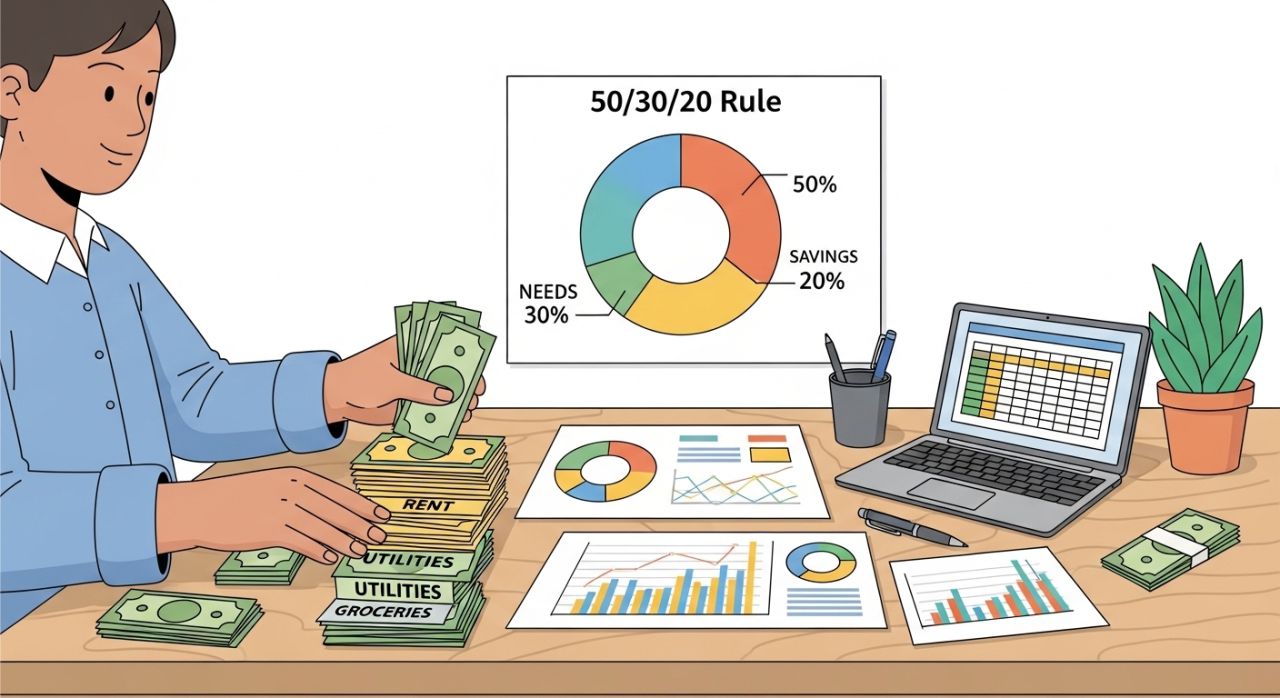
Creating a budget is one of the most important smart money habits. A budget tells you exactly how much money is coming in and how much is going out. It is the core of better money management. Without a budget, even good earners can overspend or miss savings goals.
A simple budget doesn’t have to be complicated. Start by writing down your income, essential expenses, and savings goals. Then, track your spending each week to see where your money goes. This makes it easier to make smart choices and avoid unnecessary spending.
One popular method is the 50/30/20 budgeting method. Spend 50% of your income on needs, like food and bills. Use 30% for wants, like fun or entertainment. And save 20% for your future, like emergency funds or investments. This method is easy to follow and helps you stay on track without stress.
Budgeting also builds financial discipline. When you plan your money, you avoid impulse purchases and save more consistently. Over time, following a budget becomes a habit that naturally improves your daily money habits and supports long-term financial stability.
Even small steps, like tracking a few expenses or adjusting one category, can make a big difference. The key is to start simple and stay consistent. Your budget doesn’t have to be perfect from day one. The important part is to take control of your money and make decisions that help you reach your financial goals.
By practicing this habit daily, you strengthen your money management skills and lay the foundation for a secure financial future. Remember, smart budgeting strategies turn small actions into lasting wealth.
3 – Pay Yourself First and Automate Your Savings

One of the most effective smart money habits is to pay yourself first. This means saving a portion of your income before spending on anything else. Using this approach ensures that you prioritize saving money strategies and build a strong financial foundation. When you save first, you make your future a priority, not just today’s wants.
Automating your savings takes this habit to the next level. Automated savings create wealth-building habits because the money is moved into your savings account without even thinking about it. This removes the temptation to spend and makes saving effortless. Over time, these small, consistent deposits grow into a significant financial cushion.
Start small. Decide on a fixed amount you can save each day or week. Even a little bit counts. Track it daily for 30 days to turn saving into a consistent money habit. Seeing your savings grow keeps you motivated and encourages you to continue.
Use your bank or financial app to set up automatic transfers from your checking account to your savings account. Schedule them right after you receive income. This ensures your money is saved before you can spend it. Automation makes saving simple, consistent, and stress-free.
By practicing this habit, you not only grow your savings but also strengthen your financial discipline. You develop a mindset of prioritizing long-term goals over short-term desires. Over time, these daily money habits become automatic, paving the way for long-term financial security and wealth building.
Remember, saving first and automating it is not just about money—it’s about creating smart financial habits that last a lifetime.
4 – Reduce Unnecessary Spending and Control Impulse Purchases
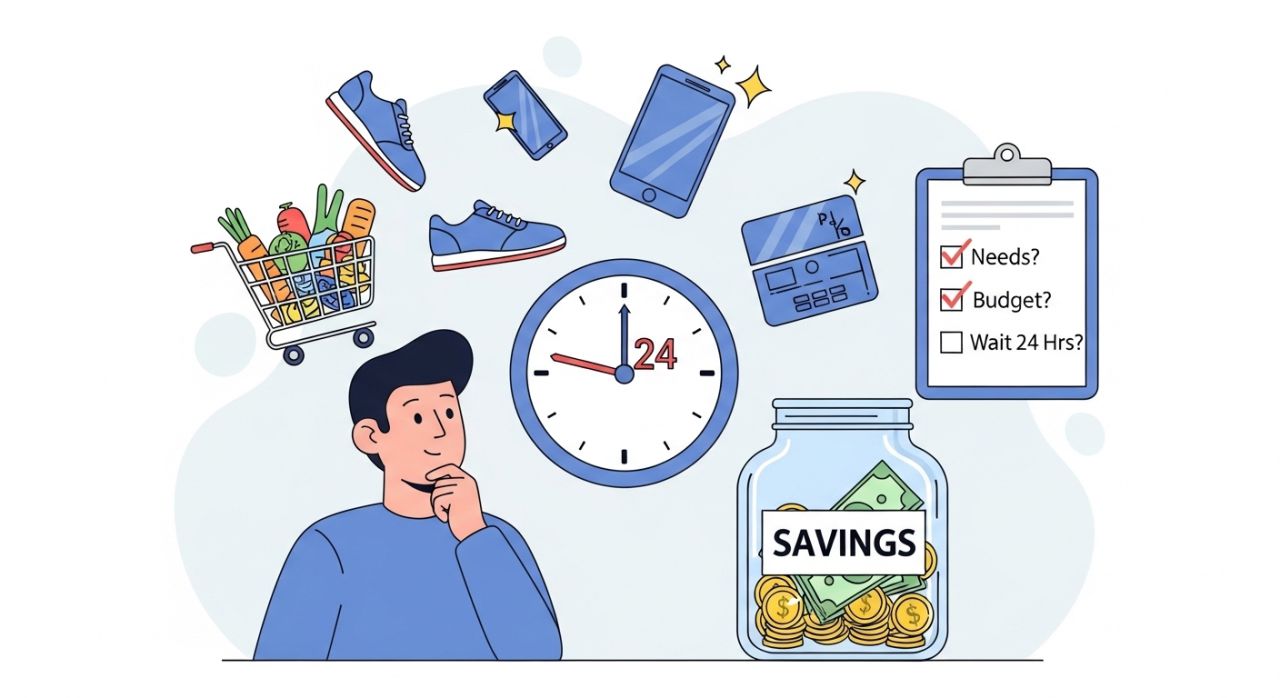
Impulse spending can quietly destroy your financial goals. Even small, unplanned purchases add up over time and make it hard to save or stick to a budget. That’s why reducing unnecessary spending is one of the most important smart money habits.
Practicing spending control habits helps protect your money. When you plan your purchases and think before buying, you keep more money for the things that really matter, like savings or debt reduction. Over time, these habits strengthen your daily money habits and improve your financial discipline.
A simple trick to avoid impulse buys is the 24-hour rule. When you want to buy something unnecessary, wait a full day before purchasing. Often, you’ll realize you don’t really need it. This method trains your brain to control impulses and make smarter financial choices.
Look for easy ways to reduce spending every month. Cancel unused subscriptions, cook at home instead of eating out, or find free entertainment options. Even small cuts add up and give you more control over your budget.
By practicing these habits, you protect your money and make your budget work for you. Every thoughtful choice builds long-term financial security. Remember, smart money habits are not just about saving—they are about making intentional decisions that grow your wealth and reduce financial stress.
Start today by spotting one area of unnecessary spending and applying the 24-hour rule. Over time, this habit becomes automatic and strengthens your money management skills for life.
5 – Focus on Debt Reduction for Financial Freedom
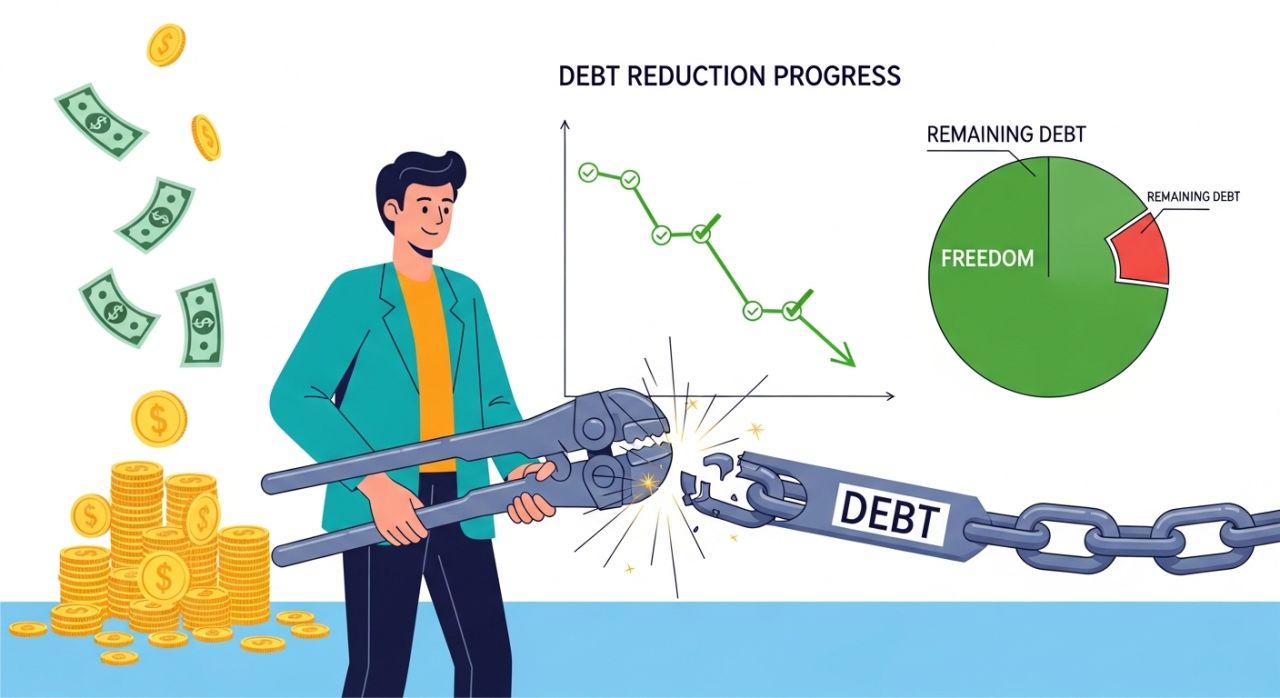
Debt can weigh heavily on your finances. Even small debts create stress and limit your ability to save. That’s why focusing on debt reduction is one of the most important smart money habits. Eliminating debt improves your financial health and gives you more control over your money.
Practicing effective debt reduction habits helps you pay off balances faster and avoid new debt. For example, always pay more than the minimum, track your debts, and prioritize high-interest loans. Over time, these habits strengthen your financial discipline and improve your daily money habits.
There are two popular ways to pay off debt. The snowball method focuses on paying small debts first. This gives quick wins and motivation. The avalanche method targets debts with the highest interest rates first, saving money on interest over time. Choose the method that works best for you and stick to it consistently.
When debt is gone, planning your finances becomes easier. You can save more, invest, and budget without stress. Debt freedom creates space for better money management habits and long-term financial security. It also gives peace of mind and confidence to pursue bigger financial goals.
Start today by listing all your debts and choosing a strategy. Even small payments every day add up. Remember, smart money habits are about consistent action. Paying down debt now builds a foundation for a financially free and secure future.
6 – Set Clear Financial Goals for the Next 30 Days
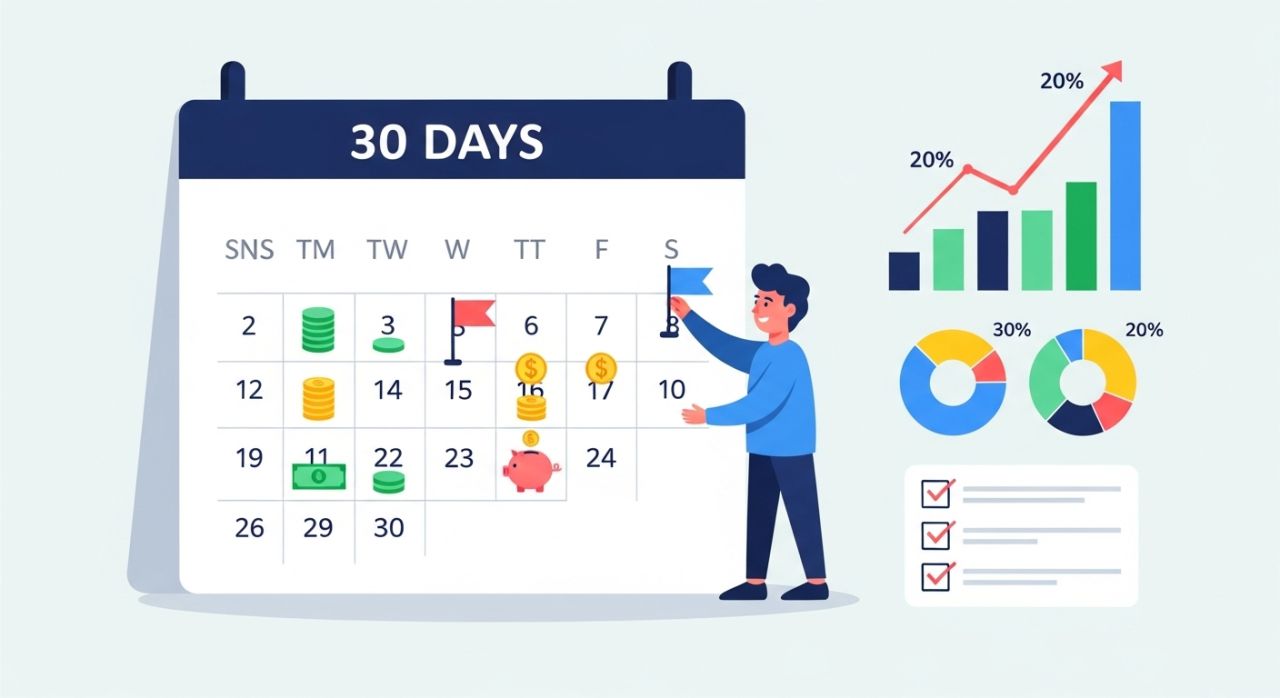
Setting clear goals is one of the most powerful smart money habits you can practice. Goals give your money a purpose and help you stay focused. Without goals, it’s easy to spend without thinking or miss important savings opportunities. This is why financial planning habits are so important—they guide your decisions and keep your finances on track.
Short-term goals are especially helpful. By focusing on what you can achieve in just 30 days, you build momentum. Each small success motivates you to continue improving your daily money habits. For example, saving a set amount, reducing unnecessary spending, or paying off a small debt in 30 days can make a big difference.
Try a 30-day money habit challenge. Pick one or two habits to focus on and track your progress every day. Whether it’s saving, budgeting, or cutting expenses, this challenge helps turn actions into consistent habits.
Small goals are stepping stones to bigger achievements. Completing a 30-day goal gives you confidence and sets the stage for long-term wealth building. Over time, these small, consistent actions grow into strong financial discipline, better budgeting, and more savings.
By practicing this habit, you learn how to plan, track, and achieve your financial goals. Remember, smart money habits are not just about immediate results—they create lasting changes that improve your financial life. Start today by setting a simple goal for the next 30 days and watch your finances grow step by step.
7 – Improve Your Financial Knowledge Every Day

Learning about money is one of the smartest money habits you can develop. Treat learning as a daily habit. The more you understand money, the better you manage it. This helps you make smart choices, save more, and spend wisely.
Personal finance tips and education are key to improving your daily money habits. Knowing how budgets, savings, investments, and debt work gives you control over your finances. Even small lessons can make a big difference in your financial health over time.
You don’t need hours to improve your money skills. Spend just 10 minutes each day reading an article, watching a short video, or checking a finance app. This tiny daily effort builds strong financial discipline and keeps you motivated to continue learning.
There are many great resources to grow your money knowledge. Books teach long-term strategies. Podcasts give tips and real-life examples. Blogs provide easy, actionable advice for everyday finances. Pick one or two resources and follow them consistently.
By making learning a daily habit, you gain confidence in your financial decisions. Over time, these small actions create long-term wealth-building habits and improve your overall money management. Remember, smart money habits are not just about saving—they’re about learning, growing, and making informed choices that improve your financial life every day.
Start today. Spend 10 minutes learning something new about money and see how it helps you make smarter financial decisions tomorrow.
8 – Build a Positive Money Mindset

Your mindset plays a big role in your financial success. The way you think about money affects every choice you make. Building a positive money mindset is one of the most important smart money habits. When you believe you can manage money well, you make smarter decisions.
Many people have negative beliefs about money, like “I’ll never save enough” or “I’m bad with money.” These thoughts can hold you back. Overcoming them is key to improving your daily money habits and building long-term wealth.
When you change your thinking about money, your actions follow. You start saving more, spending wisely, and avoiding unnecessary debt. Even small mindset shifts create big results over time. Positive thinking also increases your financial discipline and confidence.
Successful people practice good financial habits consistently. They plan, save, invest, and learn every day. They focus on solutions rather than problems. By copying these habits and combining them with a positive money mindset, you set yourself up for long-term success.
Start today by noticing negative money thoughts and replacing them with positive ones. Remind yourself that you can learn, save, and grow your wealth. Remember, smart money habits aren’t just about budgeting or saving—they begin in your mind. A strong mindset leads to better money decisions and lasting financial security.
9 – Build an Emergency Fund for Financial Security
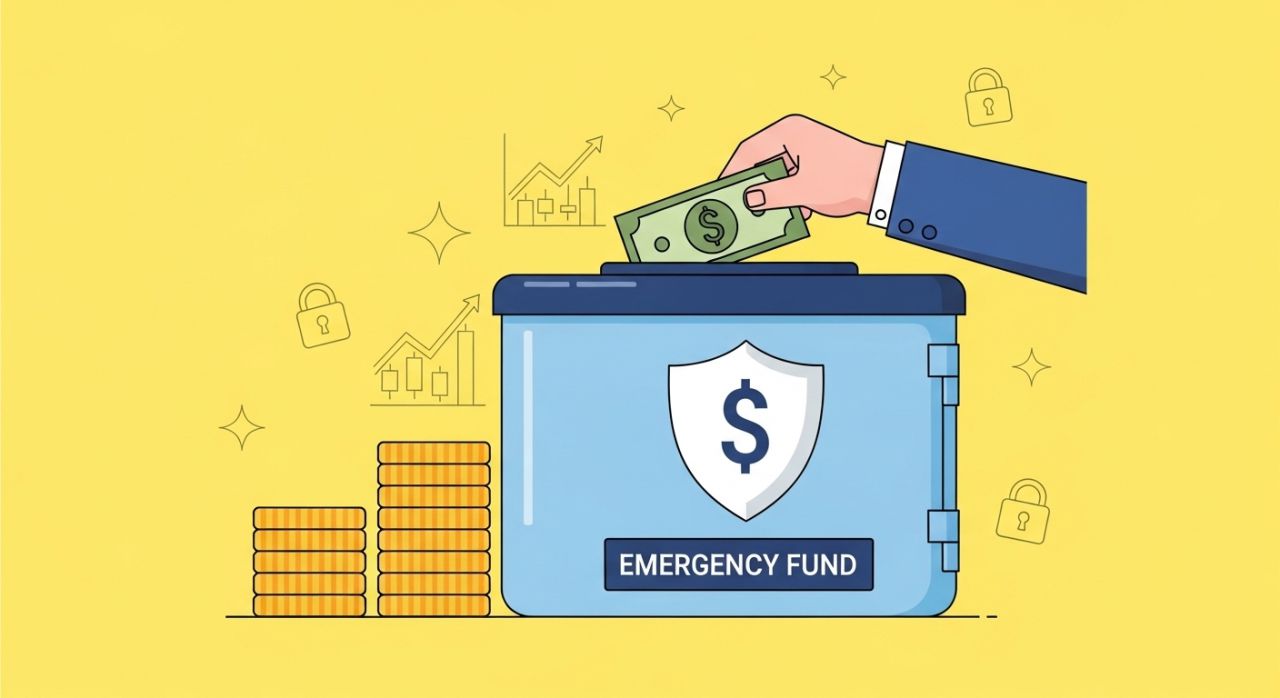
An emergency fund is one of the most important smart money habits you can develop. Life is full of surprises, like car repairs, medical bills, or sudden job changes. Without savings, these emergencies can hurt your finances and cause stress.
Having an emergency fund protects your financial stability. It ensures you can handle unexpected costs without going into debt. This habit strengthens your daily money habits and builds confidence in your money management skills.
Experts recommend saving at least 3 to 6 months of essential expenses. Start small if this feels too big. Even saving a little every week adds up over time. The key is consistency, not speed.
Begin by setting aside a fixed amount from each paycheck. Use a separate account to avoid spending it. You can also save spare change or cut small, unnecessary expenses and move that money into your fund. Apps and automatic transfers make saving simple and stress-free.
By practicing this habit, you create a safety net for life’s surprises. It reduces financial stress, helps maintain financial discipline, and keeps your long-term goals on track. Remember, smart money habits aren’t just about earning—they’re about protecting what you have.
Start today by saving even a small amount. Over time, your emergency fund will grow, giving you peace of mind and financial security for the future.
10 – Review and Improve Your Financial Plan Weekly

Regularly checking your finances is one of the most effective smart money habits. A weekly financial review helps you see what’s working and what needs improvement. Without it, small mistakes can add up and slow your progress.
Weekly check-ins reinforce your daily money habits. When you track your spending, savings, and goals each week, you stay aware and in control. This habit strengthens financial discipline and helps you make smarter choices consistently.
You don’t need hours to review your finances. Spend just 10 minutes each week. Check your income, expenses, savings, and budget. Make notes of any changes, like extra spending or unexpected income. These small weekly steps keep your financial plan on track and prevent problems from growing.
A weekly review also helps you adjust your budget and goals. Maybe you need to save more, cut back on spending, or prioritize paying off debt. Small adjustments now make a big difference later. Over time, these reviews help you reach your long-term financial goals faster and more effectively.
By practicing this habit, you gain full control over your money. You understand your financial patterns, make better decisions, and stay focused on what matters most. Remember, smart money habits are about consistent action, not perfection. Weekly reviews turn small steps into big financial success.
Start this week. Set a reminder, spend 10 minutes reviewing your money, and see how it strengthens your money management skills and financial confidence.
Take Action Today and Transform Your Financial Future
By now, you’ve seen how smart money habits can truly change your financial life. These daily money habits are simple, but when done consistently, they create big financial results over time. Even small steps—like tracking expenses, saving a little each week, or reducing unnecessary spending—can build financial discipline and set you on the path to long-term wealth.
The key is consistency. Practicing good financial habits every day may feel small, but over 30 days, these tiny changes add up and start to transform your financial future. That’s why we encourage you to commit to a 30-day money habit challenge. Pick one habit from this guide and focus on it today. Then, layer in more habits each week.
Start now. Choose one smart money habit to implement today. Notice the difference it makes in your spending, saving, or budgeting. Share your progress and feedback with us on Instagram. Let us know which habit you will start first in the comments below.
Finally, don’t forget to bookmark this guide. Use it as your roadmap for the full 30-day journey to financial improvement. Remember, small daily actions lead to big financial freedom, and with consistent discipline, you can transform your financial life faster than you think.
Your journey to better money management starts today. Take that first step, stick with it, and watch how smart money habits can turn your finances around in just 30 days.