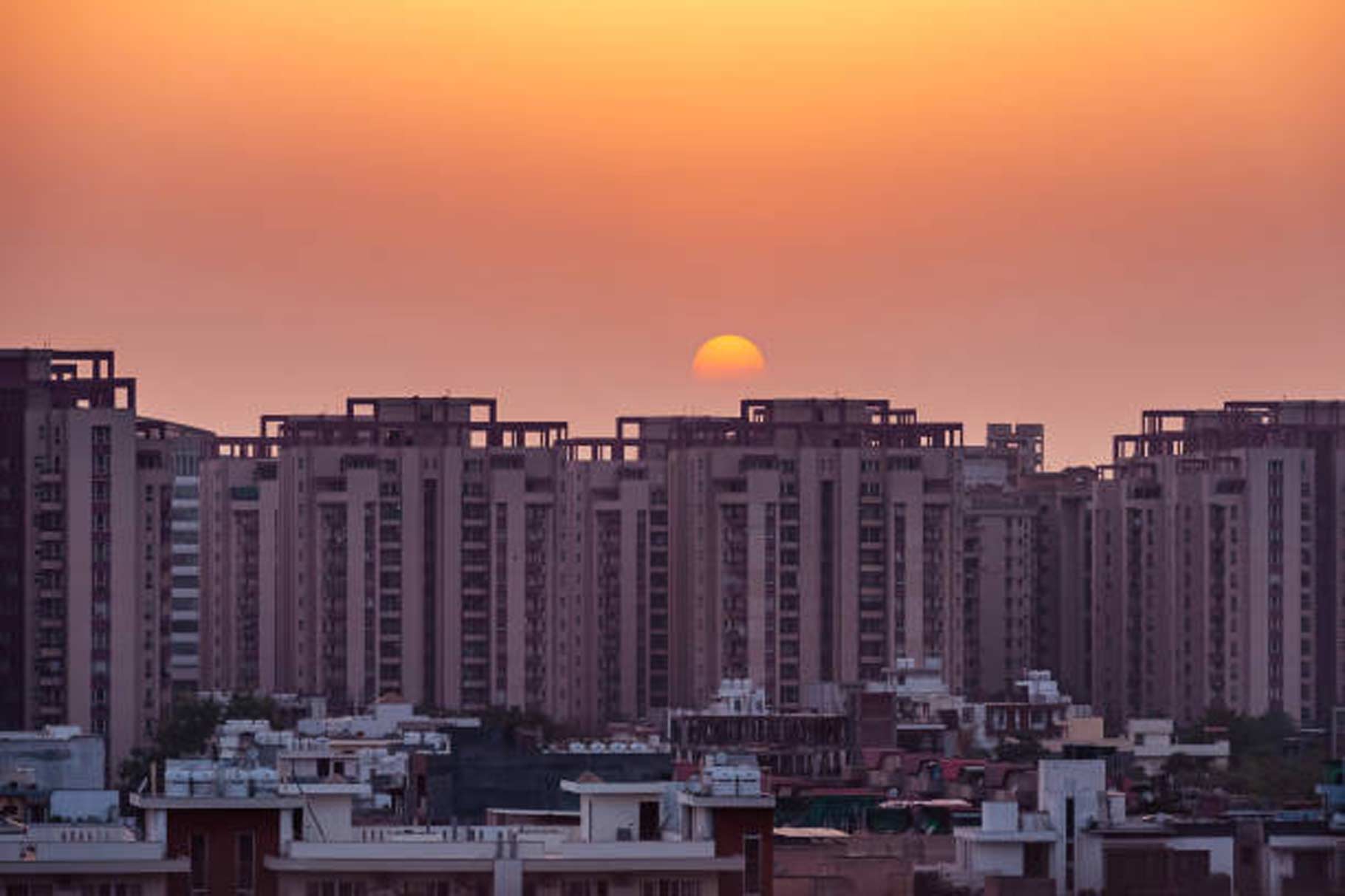
Delhi is India’s capital and one of its most sought-after real estate markets, blending old-world charm with modern infrastructure. Whether you’re a growing family looking for more space or an investor eyeing long-term appreciation, buying a house for sale in Delhi is a decision that comes with several considerations, from location and legal status to budget and lifestyle needs. This guide walks you through everything worth knowing before making this investment.
Before getting into locality-specific factors, it helps to understand how the housing market functions city-wide. Platforms like Square Yards have made this considerably easier for buyers by consolidating verified listings, price trends, and neighborhood insights in one place. Instead of relying on scattered classifieds or word-of-mouth brokers, buyers today can browse authenticated listings, compare price movements over time, and even access home loan assistance, cutting down the guesswork that used to define property hunting in a city as vast and layered as Delhi.
Delhi’s housing market is broadly split into South Delhi (premium, established localities like Vasant Kunj and Greater Kailash), North and West Delhi (more affordable, well-connected pockets like Rohini and Paschim Vihar), and the fast-developing outskirts bordering Gurugram and Noida. Each zone caters to a different budget and lifestyle priority. South Delhi commands premium pricing due to established infrastructure and social status, while areas like Rohini offer a better price-to-space ratio along with strong metro connectivity, popular with first-time buyers and young families.
If independent living with more space and privacy is what you’re after, rather than an apartment, it’s worth exploring dedicated listings for independent houses for sale in Delhi, which typically offer larger built-up areas, private parking, and the flexibility to renovate or expand over time, something apartment living rarely allows. These properties are especially common in Rohini, Dwarka, and parts of West Delhi, where plotted development dominates over high-rise construction, giving buyers the added benefit of owning the land itself rather than just a unit within a complex.


When evaluating any house, a few non-negotiables should guide your decision: verify the title and ownership documents, check for DDA or MCD approvals depending on the zone, and confirm the built structure matches sanctioned plans, since unauthorized construction is a known issue in parts of Delhi. It’s also worth assessing water supply, drainage, and road width, as these directly affect daily livability and resale value later. Factor in registration charges and stamp duty too, which vary in Delhi based on the buyer’s gender and the property’s location, along with ongoing costs like property tax.
Financing is relatively straightforward given the number of banks and NBFCs offering home loans in Delhi, but compare interest rates, processing fees, and loan-to-value ratios before committing. It’s also wise to get an independent market valuation rather than relying solely on the seller’s quoted price, since rates can vary significantly even within the same neighborhood depending on the street, floor, or facing. Visiting shortlisted properties at different times of day can also reveal issues around noise, traffic, or waterlogging that a single visit might miss.
FAQs
Is it better to buy an independent house or an apartment in Delhi?
It depends on your priorities. Independent houses offer more space, privacy, and land ownership, while apartments come with amenities, security, and lower maintenance responsibility.
What documents should I check before buying a house in Delhi?
Key documents include the sale deed, title papers, encumbrance certificate, building plan approval, and property tax receipts. Have a lawyer verify these before finalizing any purchase.
Which areas in Delhi offer the best value for independent houses?
Rohini, Dwarka, and parts of West Delhi offer a good balance of affordability, connectivity, and plotted housing compared to premium South Delhi localities.
How much is stamp duty on property purchases in Delhi?
Stamp duty in Delhi typically ranges between 4-6% of property value, varying based on whether the buyer is male, female, or a joint owner.