Early pregnancy is often filled with hope, planning, and careful attention to health.
Most parents expect routine checkups to confirm that everything is progressing normally. However, some important changes inside the body can happen quietly, without clear symptoms. One of these involves the cervix, which plays a key role in supporting a growing pregnancy. When changes in cervical strength or length go unnoticed, they may increase the risk of early delivery. Regular prenatal visits help doctors identify these changes before they become serious.
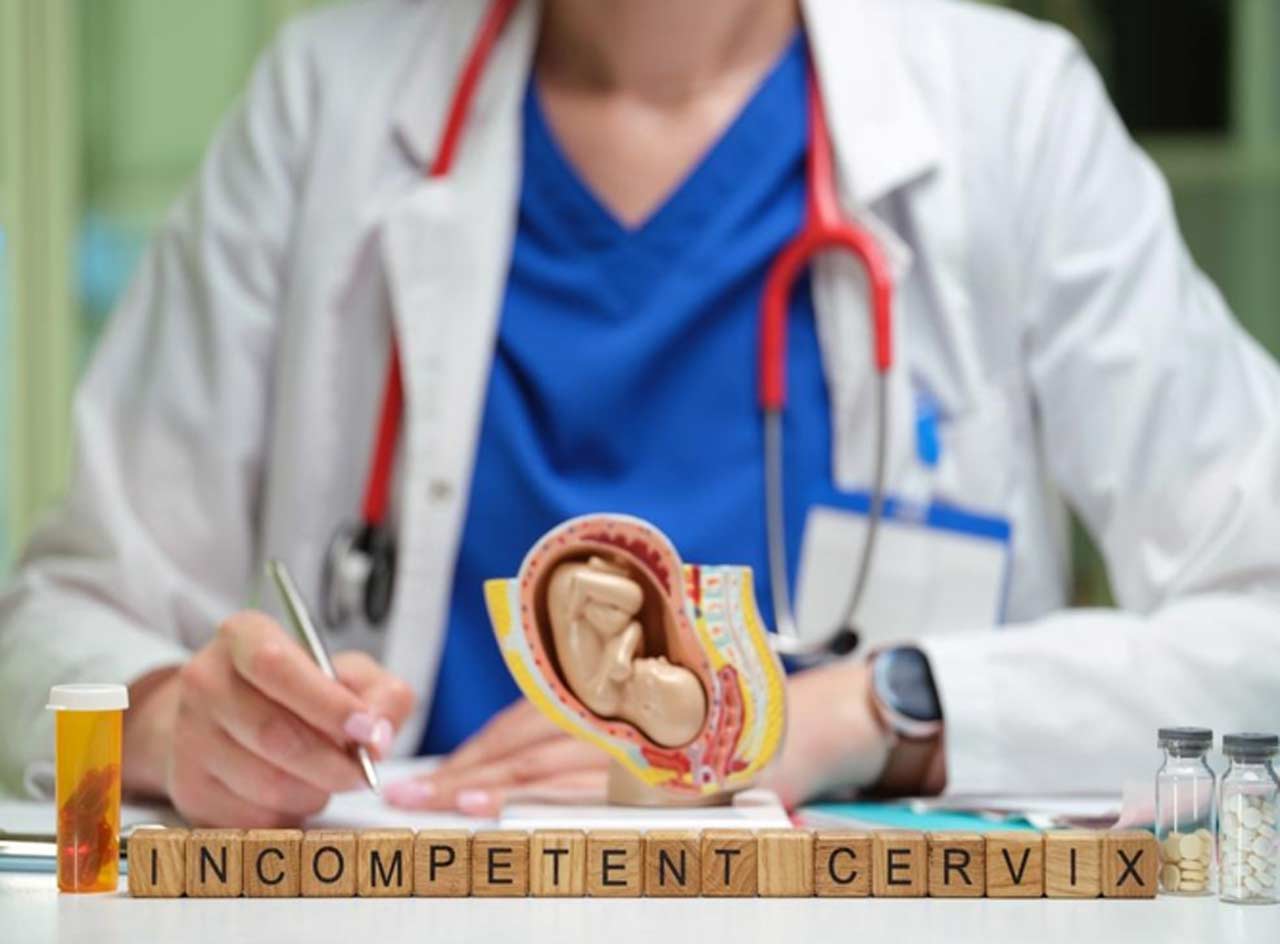
Early detection gives families more time to prepare and respond, reducing uncertainty during pregnancy. This is especially important when discussing potential risks like incompetent cervix complications that may not show obvious warning signs at first.
Why Early Pregnancy Monitoring Matters More Than Most People Realize
Early pregnancy checkups are not just routine appointments. They help establish a baseline for maternal and fetal health. During these visits, doctors begin tracking important changes that may not be noticeable to the mother.


Many cervical issues develop slowly and without pain. This makes them difficult to detect without medical tools. Regular monitoring ensures that even subtle changes are identified early, reducing the chance of unexpected complications later in pregnancy.
Understanding Cervical Changes During Pregnancy
The cervix is the lower part of the uterus that remains closed during pregnancy to protect the developing baby. It helps hold the pregnancy in place until full term.
During pregnancy, the cervix is expected to stay firm and closed. However, in some cases, it may begin to shorten or weaken too early. This change can increase the risk of early labor if not detected in time.
When doctors talk about cervical changes, they are usually referring to length, strength, and stability.
What Doctors Look For During Early Pregnancy Checkups
Physical Exams and Symptom Review
At early appointments, doctors often ask about medical history and any past pregnancy experiences. This helps them understand if any risk factors need closer attention.
They may also check for subtle signs of pressure or discomfort, even if symptoms are not clearly present.
Ultrasound-Based Cervical Measurements
One of the most important tools used in early pregnancy care is ultrasound imaging. This allows doctors to measure cervical length with accuracy.
Unlike symptoms, ultrasound findings provide clear numerical data that helps track changes over time.
How Silent Cervical Changes Can Lead to Preterm Labor
One of the challenges in pregnancy care is that cervical changes often happen without warning signs. Many women feel completely normal even when changes are occurring internally.
This is why some pregnancies progress into early labor unexpectedly. The condition may develop gradually, making it difficult to notice without medical testing.
In some cases, these silent changes are related to incompetent cervix complications, where the cervix weakens earlier than expected.
Risk Factors That Increase the Chance of Cervical Complications
Medical and Pregnancy History Factors
Some women may have a higher risk based on previous pregnancies. A history of preterm birth can increase the likelihood of similar outcomes.
Certain cervical procedures or surgeries may also affect cervical strength.
Physical and Biological Factors
In some cases, natural differences in uterine structure can influence pregnancy outcomes. Multiple pregnancies, such as twins or triplets, can also place additional pressure on the cervix.
The Importance of Tracking Changes Over Time
A single checkup is not always enough to understand cervical health. Doctors rely on repeated visits to identify patterns.
By comparing measurements over time, they can detect whether the cervix is changing too quickly. This ongoing monitoring helps guide decisions about care and treatment.
How Doctors Respond When Early Changes Are Found
Monitoring and Observation Plans
If early cervical changes are detected, doctors may recommend more frequent monitoring. This helps ensure that any further changes are caught early.
Medical Interventions When Needed
In some cases, treatments may be suggested to support pregnancy. These can include medications or physical support methods designed to reduce risk and improve stability.
How Early Detection Impacts Pregnancy Outcomes
Early detection of cervical changes can significantly improve outcomes. It allows doctors to take preventive steps before labor begins too soon.
This may reduce emergency situations and give families more time to prepare for delivery. It can also improve newborn health by allowing the pregnancy to continue longer when safely possible.
The Role of Medical Records in Understanding Pregnancy Progress
Doctors carefully document each prenatal visit. These medical records help track cervical length, test results, and overall pregnancy development.
Over time, these notes create a timeline that shows how the pregnancy has progressed. This information is important for identifying patterns and understanding risk.
Conclusion
Early pregnancy checkups play a critical role in identifying cervical changes before they become serious. Many of these changes occur without obvious symptoms, which makes routine monitoring essential. By tracking cervical health over time, doctors can take early steps to reduce risks and improve outcomes. Understanding these changes helps families feel more informed and prepared throughout pregnancy, especially when dealing with possible complications such as an incompetent cervix.