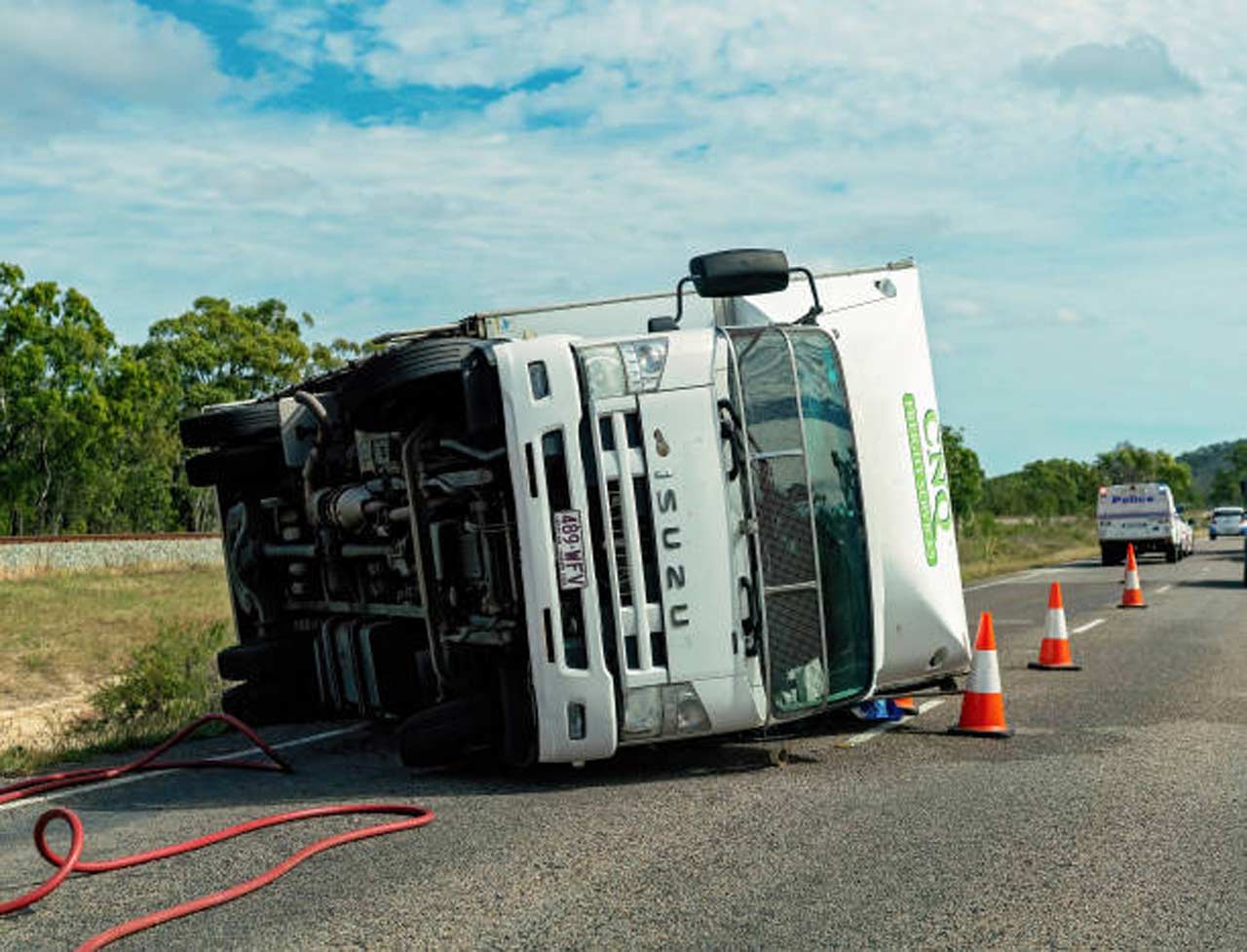
Commercial trucking remains one of the most consequential safety issues on American highways, and 2026 data is beginning to paint a clearer picture of where the industry stands. According to the National Safety Council, large trucks were involved in 5,218 fatal crashes in 2024, a modest 3% decline from the previous year, though the figure still represents a 30% increase over the past decade. That long-term trajectory continues to shape policy discussions, insurance pricing, and legal accountability across the trucking sector as 2026 unfolds.
A Mixed Picture on Fatalities
The most recent federal data shows a cautiously encouraging trend, even as the overall decade-long picture remains troubling. Total large-truck crash fatalities dropped to 5,340 in 2024, a 2.5% decrease from 2023, according to NSC’s Injury Facts. Texas, which consistently leads the nation in truck-related deaths, saw fatal truck accidents fall nearly 20% between 2022 and 2024, dropping from 750 incidents to 645. Early 2025 figures suggest that decline continued, with preliminary numbers showing 518 fatal crashes statewide. As mentioned by Bailey & Galyen, a Houston truck crash lawyer, “Unsafe carriers can remain on the road for years despite documented violations, which means declining fatality numbers don’t necessarily reflect declining risk for individual drivers who happen to share the road with a negligent operator. That distinction matters for anyone trying to understand whether the roads are actually getting safer or whether the numbers are simply shifting.”
Injury crashes tell a less optimistic story. The NSC reports that 120,724 large trucks were involved in injury-causing crashes in 2024, a 5.4% jump from 2023, continuing an 18% rise since 2016. Total injuries climbed to 161,201, a 5% year-over-year increase. This divergence between falling fatalities and rising injuries suggests that while emergency response, vehicle safety technology, and trauma care may be improving survival odds, the sheer frequency of truck involvement in roadway incidents has not meaningfully declined.
Where and When Crashes Happen
Geography and timing continue to play an outsized role in truck accident risk. More than half of fatal large-truck crashes occur on rural roads, while roughly a quarter happen on interstates, and daylight hours account for 62% of these incidents. Texas remains the epicenter of national truck crash activity, with Harris County alone recording more than 4,000 truck crashes annually, more than double any other county in the state. Corridors like Interstate 35, which stretches 400 miles from Laredo through the Dallas-Fort Worth area, have accumulated hundreds of fatalities over the past five years due to the sheer volume of freight traffic they carry.


Fatigue-related crashes also cluster around predictable windows. Texas data from 2025 shows nearly 2,750 crashes occurring between midnight and 6:00 a.m., hours when driver impairment from exhaustion can mirror the effects of alcohol. This pattern has persisted for years despite mandatory electronic logging devices, which were designed specifically to curb the kind of hours-of-service violations that lead to fatigue-related collisions.
Regulatory Enforcement Under Strain
One of the more significant developments shaping 2026 trends involves the enforcement infrastructure meant to keep unsafe carriers off the road. Federal trucking safety enforcement has reportedly declined sharply in recent years, even as the number of registered commercial carriers has grown. This gap between oversight capacity and industry size has pushed more accountability into the civil courts, where litigation increasingly serves as the primary mechanism for holding negligent trucking companies responsible for maintenance failures, unqualified hiring practices, or scheduling pressures that prioritize speed over safety.
The financial stakes of this shift are substantial. Large truck crashes cost the U.S. economy an estimated $143 billion annually, and the average cost of a crash involving a fatality now exceeds $7 million when medical expenses, lost income, and long-term care are factored in. Settlement amounts in truck crash lawsuits have grown by an average of 51% per year since 2010, a trend that has, in turn, pushed long-haul trucking insurance premiums up by roughly 25%.
What’s Driving the Numbers
Federal crash causation research continues to point toward a consistent set of contributing factors. Trucks bear primary responsibility in just over 55% of collisions with other vehicles, and within that group, driver error accounts for roughly 87% of incidents, while mechanical issues and environmental conditions make up the remainder. Speeding, fatigue, and distraction remain the dominant threads running through fatal crash reports, though the specific pressures behind them, tighter delivery windows, driver shortages, and inconsistent enforcement, continue to evolve.
As 2026 progresses, the trucking industry appears to be at an inflection point. Vehicle safety technology and driver training programs are producing measurable gains in certain categories, even as enforcement gaps and rising injury counts complicate any simple narrative about improving road safety. For drivers, families, and policymakers alike, the data suggests that vigilance, both technological and legal, remains essential to reversing the decade-long upward trend in truck-related harm.