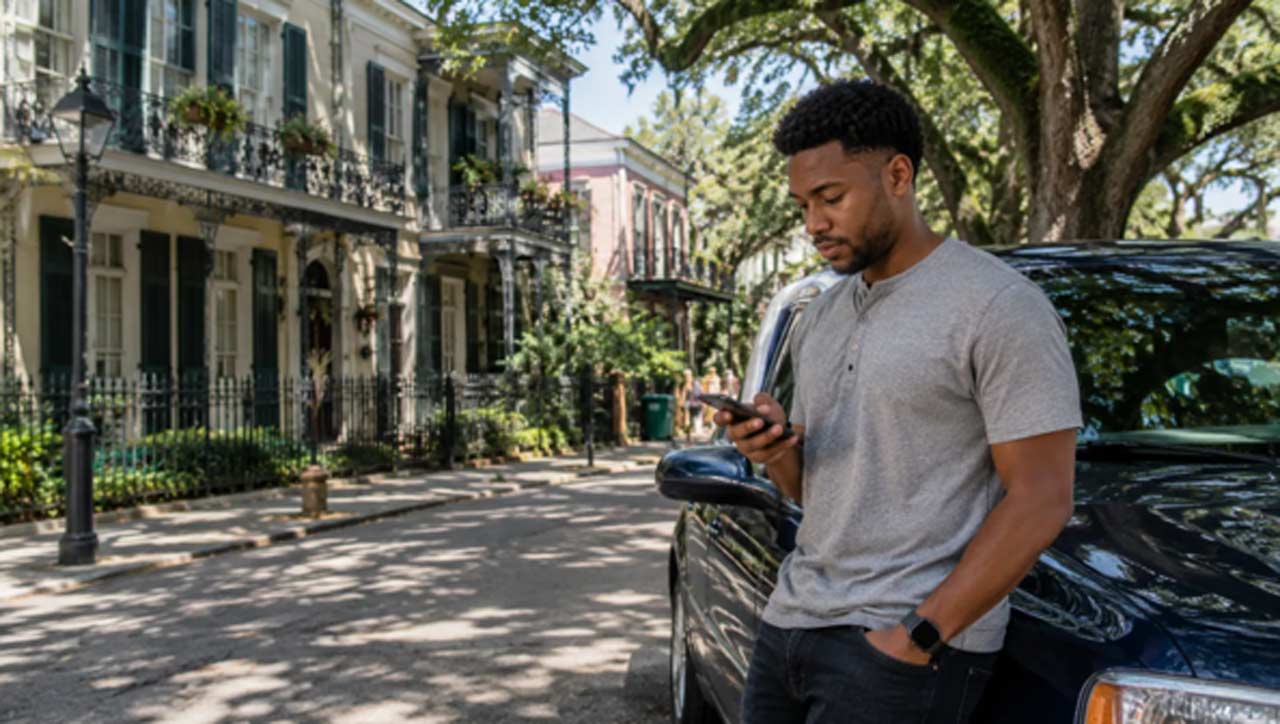
New Orleans is, by nearly every measure, one of the most expensive cities in the country for car insurance. According to CarInsurance.com data, drivers here pay an average of $6,674 annually for auto insurance – ranking third nationally behind only two cities in Michigan. Between 2023 and 2025, annual premiums in New Orleans jumped 126%, from $2,949 to that figure. Harvey, Marrero, and Chalmette, which sit just outside city limits, made up most of the rest of the top 15 most expensive cities nationwide. The whole metro area is expensive.
That is not a random outcome. It is the result of several specific, identifiable factors that stack on top of each other in ways that make New Orleans unusually costly to insure a vehicle in. Understanding those factors is the starting point for doing anything about your own rate.
If you are already comparing options, the cheap car insurance New Orleans page is a direct place to see what coverage looks like for your specific situation.
Where You Park and Which ZIP Code You Live In
This matters more in New Orleans than in most American cities. The difference between ZIP codes within Orleans Parish can translate to hundreds of dollars a year on identical coverage for the same driver profile.


New Orleans East, for example, consistently produces higher rates across most coverage categories because of its combination of crime statistics and flood vulnerability. Uptown and the Garden District run differently than Mid-City or Gentilly. Insurers are not just looking at the city – they are looking at your garaging address and pulling localized data on accident frequency, theft rates, and weather claim history for that specific area.
Parking matters too. Vehicles kept in a locked garage overnight typically earn a 5% to 15% discount compared to street-parked vehicles. On a premium that is already elevated, that percentage is real money. If you have access to a secure parking structure and are not mentioning it when you get quoted, you may be leaving savings on the table.
Flooding and Storm Exposure
New Orleans sits below sea level in large portions, surrounded by water on multiple sides. That is not a minor background detail for insurance purposes – it is one of the core drivers of comprehensive coverage costs in the city.
FEMA updated its flood zone maps for Orleans, Jefferson, St. Tammany, and St. Charles Parishes in late 2025. Parts of Metairie, Kenner, and Harahan that were previously classified as lower-risk zones were reclassified after updated drainage models showed lower actual elevations. More of the metro area now sits in high-risk AE zones, which carry at least a 1% annual flood probability and a 26% chance of flooding over a 30-year period.
Standard comprehensive auto coverage includes flood damage. But the extent of that protection and how quickly a carrier processes claims after a widespread weather event varies. After major hurricanes, the local claims environment can get backed up for weeks. Carriers with actual adjusters and service locations in the metro area tend to handle this better than those working everything remotely.
The storm and flooding risk feeds directly into premiums. Insurers know that a hail event, a slow-moving tropical system, or even heavy seasonal rain can generate thousands of claims across the city simultaneously. That claim volume gets priced into every policyholder’s rate before they ever get behind the wheel.
Litigation History and Uninsured Drivers
Louisiana passed major tort reform legislation in 2025, and it has started to move the needle. More than 20 auto insurance carriers filed rate decreases after the reforms passed, and the Louisiana Department of Insurance reported a roughly 2.3% average market reduction through mid-2025. For a city running as expensive as New Orleans, even a small percentage off is worth something.
But the baseline was so high that the reductions, while real, still leave New Orleans drivers paying far above the national average. Legal settlements and court awards in Louisiana have historically averaged 23% higher than in comparable states. The injuries claimed in accidents here run roughly 200% higher than the national average, even though raw accident frequency is only slightly above average. That litigation environment made every minor fender-bender more expensive to settle, and that cost was passed through to premiums for years.
The uninsured driver situation compounds it. Roughly 16% of Louisiana drivers carry no insurance at all. In certain New Orleans neighborhoods, that number is estimated above 25%. When those drivers cause accidents, the costs land on everyone else’s policies. This is the most practical argument for carrying uninsured/underinsured motorist coverage in New Orleans – it is not theoretical. The chances of encountering an uninsured driver here are meaningfully higher than the national average suggests.
Your Driving Record in a High-Risk City
Moving violations carry more premium weight in high-risk urban markets than they do in lower-risk areas. A speeding ticket picked up on the I-10 near the Superdome or an at-fault incident on St. Charles Avenue adds a surcharge on top of an already elevated base rate.
For New Orleans drivers, a single at-fault accident can push an already high premium to figures that put a real strain on a household budget. The surcharge typically stays on your record for three to five years. During that window, the most useful thing available is shopping across carriers, because each insurer applies surcharges at different rates. The same incident history can produce quotes that differ by hundreds of dollars annually depending on how that carrier weights the violation.
Age and What It Does to Your Quote
Teen and young adult drivers pay significantly more than the city average in New Orleans. A 16-year-old on their own policy can pay north of $300 per month for minimum coverage in the metro area. The rate drops sharply through the twenties and levels off in the thirties.
For parents adding a young driver to an existing family policy, the increase is painful but still less expensive than a standalone policy for the same driver. Maintaining good grades (which qualifies for a student discount in the range of 10% to 15% with most carriers) and avoiding any violations during these years are the most direct levers available. A clean record by age 25 is worth a lot more in New Orleans than in a lower-cost market, simply because the starting point is so high.
Credit Score as a Pricing Factor
Louisiana allows insurers to use credit-based insurance scores when setting premiums. It is legal and widely applied. For drivers who have gone through financial stress – a job change, medical bills, a period of missed payments – the credit impact on their insurance quote can be jarring, especially in a market where the base rates are already elevated.
Some carriers weigh credit more heavily than others. That is one of the reasons two drivers with identical records and ZIP codes can get quotes that are meaningfully different from the same insurer versus a different one. If your credit is currently working against you in quotes, looking specifically at insurance options designed for drivers with poor credit before you accept the first few numbers you see is worth doing separately.
Short-Term and Between-Policy Situations
Not every New Orleans driver needs a full six-month policy at any given moment. People between jobs, recently moved to the city, or driving infrequently sometimes need coverage that fits a specific window rather than a standard policy term. Understanding what short-term car insurance actually covers is useful before assuming the only option is committing to a longer policy before you are ready.
What You Can Actually Do About Your Rate
The honest answer is that some of New Orleans’ premium factors are structural and not within any individual driver’s control. The city’s geography, weather exposure, and litigation history are baked into what you will pay regardless of how well you drive.
What you do control: your driving record, your coverage choices, your deductible level, whether you disclose a secure parking situation, and which carrier you choose. Because insurers price the same driver differently, comparison shopping in New Orleans is more valuable than in lower-cost markets – the spread between the highest and lowest quote for an identical profile can exceed $1,000 annually.
Louisiana’s 2025 tort reforms are working through the market slowly. Rates are coming down for some drivers, particularly those with clean records who are actively shopping rather than auto-renewing. If you have not compared quotes in the past year, this is a useful time to do it.