 Travel planning in companies has always needed a middle layer, someone who understands both business priorities and travel logistics. That is where a corporate travel agent fits in, acting less like a ticket booker and more like a coordinator who connects employee needs with company policies. Over time, this role has quietly expanded, moving beyond reservations into something that feels closer to operational support.
At the same time, business travel itself has become more layered than it used to be. Employees are no longer satisfied with rigid itineraries or generic hotel bookings. According to the SAP Concur Global Business Travel Survey, 86% of business travellers expect personalised travel support, which says a lot about how expectations have shifted. Travel is no longer just about reaching a destination, it is about comfort, flexibility, and relevance, and that is exactly why structured support systems still matter.
What Corporate Travel Agencies Actually Handle Today
If you look closely, the scope of what travel agencies manage today is far wider than most people assume. They are not just booking flights or hotels; they are aligning travel with company budgets, policies, and timelines. Every itinerary is shaped by approvals, cost considerations, and sometimes even compliance requirements that employees rarely see.
There is also a layer of coordination that runs quietly in the background. Changes in schedules, visa requirements, hotel preferences, and even last-minute meeting shifts all require attention. A travel agency becomes the point where all of these moving parts come together. Without that coordination, even simple business trips can turn messy very quickly.
After a certain point in this process, the role of a corporate travel agency becomes more about problem prevention than problem solving. They try to anticipate disruptions before they happen, whether it is a missed connection or a hotel overbooking. This kind of invisible support is often what keeps travel experiences smooth without drawing attention to itself.


Why Self-Booking Alone Isn’t Enough for Businesses
At first glance, self-booking tools seem convenient. Employees can pick flights, compare prices, and make reservations on their own without waiting for approvals or assistance. But once this approach scales across a company, small inefficiencies start to build up.
One employee might choose a slightly expensive flight for convenience, another might book a hotel far from the meeting location, and someone else might miss a policy requirement altogether. Individually, these decisions seem harmless, but collectively they create inconsistencies that affect both cost and coordination.
There is also the issue of accountability. When bookings are scattered across platforms and individuals, it becomes harder to track spending or make adjustments when plans change. A structured system, supported by an agency, brings everything under one view, making it easier to manage without limiting employee flexibility too much.
The Gap Between Expectation and Service in Travel Planning
Employees expect travel to be smooth, responsive, and almost effortless. They want quick changes, relevant recommendations, and support when something goes wrong. But many systems still operate in a rigid way, where processes take time and responses are delayed.
This gap between expectation and actual service is where frustration usually begins. A delayed response during a flight cancellation or a lack of clarity during a reschedule can turn a routine trip into a stressful experience. It is not always about big failures; often it is the small delays and miscommunications that create the biggest impact.
Agencies that understand this gap tend to focus more on responsiveness and adaptability rather than just execution. They realise that travel planning is no longer static and that employees expect support that moves as quickly as their schedules do.
How Delays, Changes, and Emergencies Are Managed
Travel rarely goes exactly as planned. Flights get delayed, meetings get postponed, and sometimes entire itineraries need to be reworked within hours. In these moments, having a structured support system becomes less of a convenience and more of a necessity.
Agencies step in to handle these disruptions by offering alternatives quickly. Instead of employees spending hours figuring out new options, the agency already has access to relevant data and can suggest workable solutions almost immediately. This reduces downtime and keeps business schedules intact.
There is also a reassurance factor involved. Knowing that someone is available to handle emergencies allows employees to focus on their work rather than worrying about logistics. It might not seem like a big difference on paper, but in practice, it changes how people experience business travel.
Where Traditional Agencies Fall Short
Despite their importance, traditional travel agencies have not always kept up with changing expectations. Many still rely heavily on manual processes, which slows things down and creates room for errors. In a time where speed and accuracy matter, this becomes a noticeable limitation.
There is also a lack of transparency in some cases. Employees and companies may not always have clear visibility into pricing, options, or changes. This can lead to confusion and sometimes even mistrust, especially when travel decisions need to be made quickly.
Another issue is the disconnect between technology and human support. Some agencies lean too much on outdated systems, while others try to automate everything without offering enough human assistance. The balance between these two is where many traditional setups struggle.
How MyBiz Bridges Technology and Service
MyBiz approaches this differently by trying to blend structured systems with responsive support. Instead of treating technology and service as separate layers, it connects them in a way that feels more seamless for both employees and travel managers.
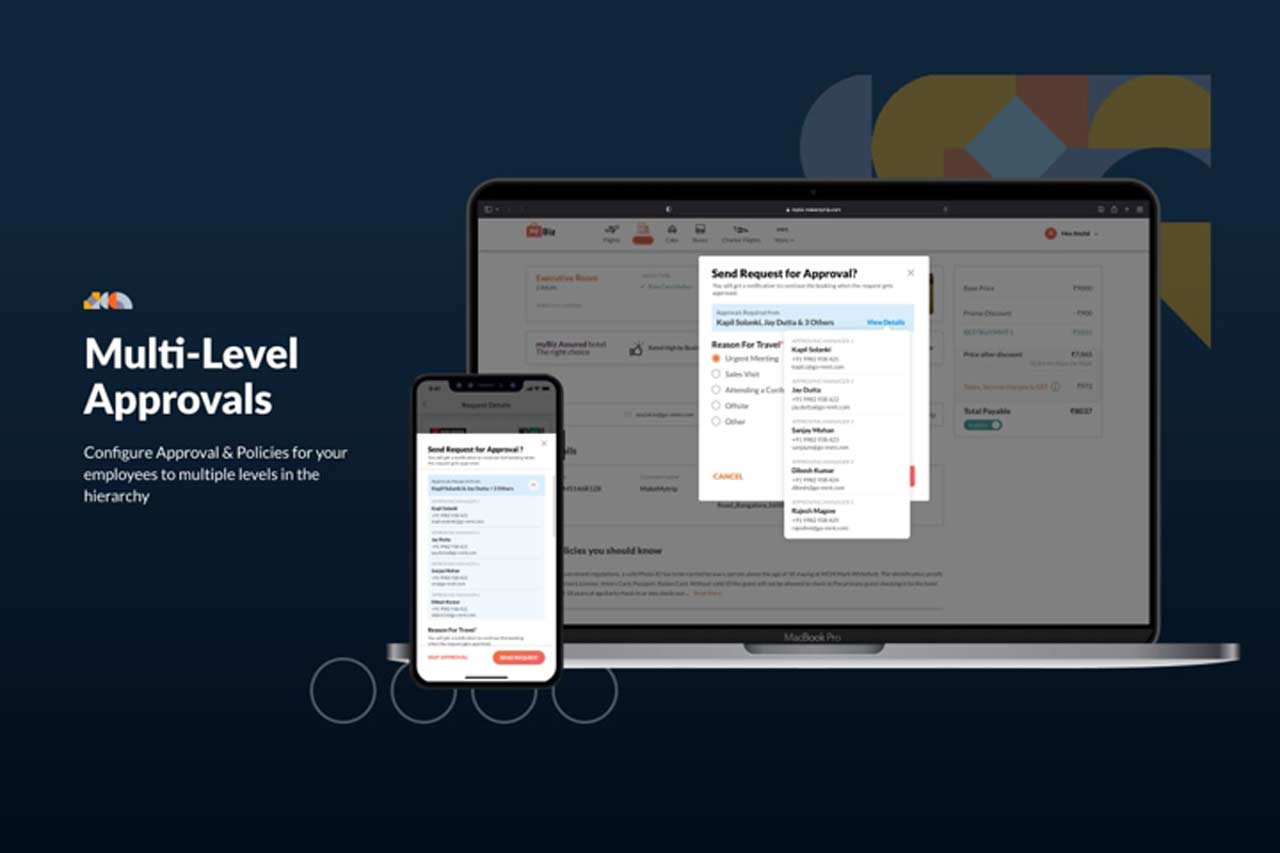
The idea is not just to simplify bookings but to make the entire process easier to navigate. From approvals to changes, everything is designed to reduce friction without removing flexibility. Employees can still make choices, but within a framework that keeps things aligned with company needs.
What stands out is the focus on making travel feel less like a task and more like a managed experience. By combining visibility, control, and support, MyBiz tries to address the gaps that traditional approaches often leave behind.
What Businesses Should Look for in a Travel Agency
Choosing a travel agency is less about finding someone who can book tickets and more about finding a partner who understands business needs. Companies should look for systems that offer clarity, not just in pricing but also in processes and decision-making.
Flexibility is another important factor. Travel plans change frequently, and the ability to adapt quickly can make a significant difference. Agencies that offer both structured policies and room for adjustments tend to work better in real-world scenarios.
There is also value in consistency. When travel experiences are predictable and well-managed, employees spend less time worrying about logistics and more time focusing on their actual work. That consistency often comes from a mix of technology, support, and thoughtful planning.
Conclusion
Corporate travel has quietly evolved into something far more complex than simple bookings. Agencies now play a role that touches planning, coordination, and real-time problem solving. Businesses that recognise this shift tend to manage travel more smoothly, while others continue to struggle with scattered systems. The real value lies not in booking tickets, but in creating a travel process that works without constant friction.