Key Takeaways
- AI streamlines recruitment by automating key hiring tasks.
- Candidate-focused tools improve engagement and hiring experiences.
- Data analytics support faster, more informed hiring decisions.
- Ethical AI use requires transparency, privacy, and human oversight.
- Integrated talent acquisition platforms simplify end-to-end recruitment.
- Emerging technologies continue to shape the future of hiring.
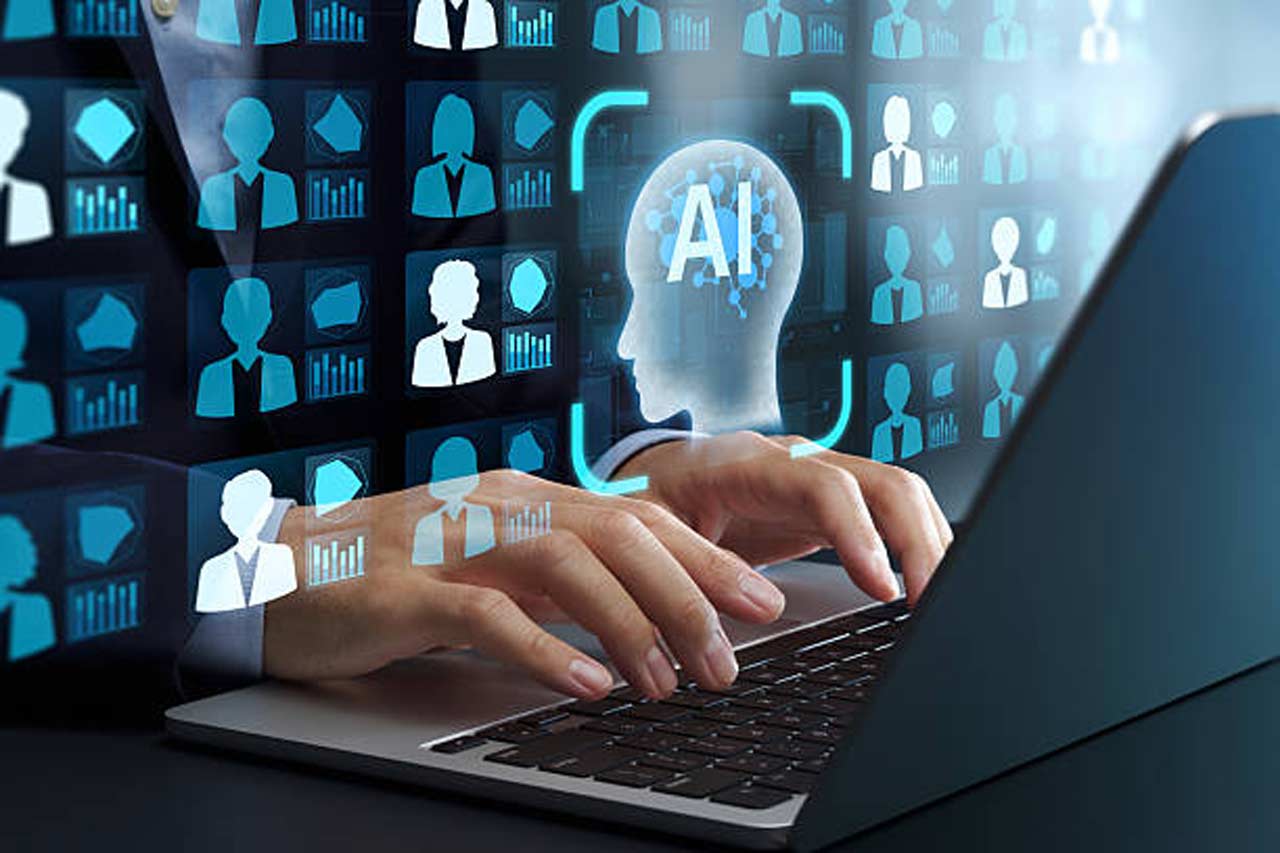 The recruitment landscape is undergoing significant changes due to rapid advancements in talent acquisition technology. Organizations are increasingly using artificial intelligence (AI) and automation to streamline hiring processes, enhance candidate experiences, and make data-driven decisions. To navigate this evolving environment, many companies are turning to comprehensive solutions, such as the best talent acquisition software. Greenhouse Software has been a recognized provider of hiring technology to organizations across industries for more than a decade, offering an AI-powered recruitment platform that helps businesses optimize sourcing, interviewing, and hiring workflows. Its platform includes features such as structured hiring, interview planning, analytics, and workflow automation that support more consistent and informed hiring decisions. With solutions used by companies ranging from growing startups to large enterprises, Greenhouse has established itself as an authority in modern talent acquisition technology. By helping organizations build scalable and efficient recruiting processes across multiple locations and teams, the platform enables employers to transform hiring into a strategic driver of long-term business growth.
The Rise of AI in Recruitment
AI is revolutionizing recruitment by automating repetitive tasks such as resume screening, candidate matching, and interview scheduling. This allows recruiters to focus on strategic activities and personal engagement. According to a report by the Society for Human Resource Management (SHRM), 51% of organizations now use AI in recruitment, indicating a significant shift towards data-driven hiring practices.
In addition to streamlining operations, AI tools can reduce human error by providing broader candidate reach and analyzing large volumes of data at unprecedented speeds. These systems can evaluate thousands of resumes in seconds, flagging potential fits without overlooking qualified applications due to unconscious bias. Tools powered by machine learning continuously learn from their results, improving match accuracy with every hiring cycle. Integrating AI also helps organizations standardize their recruitment workflows, ensuring consistency and compliance with legal and organizational standards across multiple job postings and departments.
Enhancing Candidate Experience
Modern talent acquisition platforms prioritize candidate experience by offering personalized interactions and prompt updates. AI tools enable instant responses, self-scheduling, and round-the-clock support, which boost engagement. For instance, Paradox has facilitated over 189 million AI-driven conversations, achieving candidate conversion rates exceeding 70%. Today, candidates expect smooth, transparent experiences similar to those provided by leading brands. These platforms automate communication, ensuring quicker feedback and relevant job recommendations. Chatbots handle FAQs and deliver real-time updates, reducing uncertainty. AI-driven video interviews evaluate skills, making remote hiring fairer and more scalable. Gamification through assessments and tests enhances engagement and transparency, allowing both employers and candidates to better understand role requirements and company culture early in the process.
Data-Driven Decision Making
Utilizing data analytics enables organizations to make informed hiring decisions. By examining trends, recruiters can identify effective sourcing channels, predict candidate success, and shorten time-to-fill.
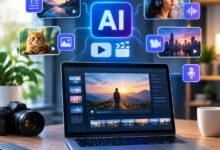

Analytics in talent acquisition helps reveal workflow bottlenecks and uncover hidden strengths. Predictive analytics can guide recruiters on the best times to reach out to passive candidates and optimize various hiring stages. Key metrics, such as candidate quality and cost per hire, can be visualized on dashboards, allowing teams to align with business objectives and ensure compliance with Equal Employment Opportunity (EEO) and diversity regulations. This makes the hiring process fairer and more accountable.
Challenges and Considerations
Integrating AI into recruitment brings advantages but also presents challenges such as bias, data privacy concerns, and the need for human oversight. Organizations must adopt AI responsibly by ensuring transparency and fairness. An LA Times article highlights that while AI can automate many recruiting tasks, human judgment remains crucial. They should choose AI solutions carefully, with transparency and regular bias audits. Collaboration among HR, legal, and tech teams is essential for establishing ethical standards. Additionally, data security must be prioritized through cybersecurity measures, compliance, and vulnerability assessments to safeguard candidate information and maintain trust.
The Role of Talent Acquisition Platforms
Comprehensive talent acquisition platforms integrate various technologies to provide end-to-end recruitment solutions. These platforms offer features like applicant tracking, candidate relationship management, and analytics dashboards, enabling organizations to manage the entire hiring lifecycle efficiently.
Some platforms offer advanced integration capabilities, connecting seamlessly with HR information systems (HRIS), onboarding tools, and even third-party skills-testing vendors. This interconnected approach centralizes vital candidate and hiring process information, minimizing manual data entry and risk of errors. Customizable workflows allow organizations to tailor recruitment efforts to their unique culture, scaling processes up or down as needs shift. Talent pools, curated over time, help recruiters proactively engage high-potential candidates, reducing sourcing costs and accelerating response times when roles open.
Future Trends in Talent Acquisition Technology
Looking ahead, combining AI with emerging technologies like machine learning and natural language processing will enhance recruitment by delivering personalized candidate experiences, increasing diversity and inclusion, and using predictive analytics to anticipate hiring needs. Voice and video analytics will uncover candidate skills beyond resumes, resulting in more comprehensive profiles and improved role fit. Blockchain will offer secure, immutable candidate records, simplifying verification processes. AI will support recruiters by automating routine tasks through virtual assistants, freeing humans to focus on relationship-building and employer branding. Additionally, DEI metrics will become more transparent, as technology helps identify opportunities and blind spots in real time.
Conclusion
Embracing talent acquisition technology is essential for organizations to remain competitive in today’s job market. By leveraging AI-driven tools and data analytics, companies can streamline their recruitment strategies and attract top talent. Leaders must prioritize technology adoption while ensuring ethical responsibility to build an agile, resilient workforce. Investing in data-enabled platforms enhances efficiency, candidate satisfaction, and long-term organizational growth. The future of recruitment lies in balancing human expertise with AI insights to create value, engagement, and opportunities throughout the hiring process.