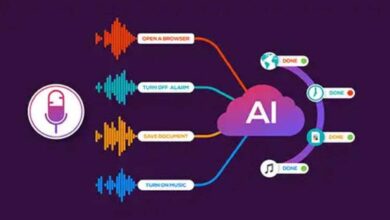
Retail environments are experiencing a profound shift, powered by relentless advances in digital transformation. The convergence of cloud computing, artificial intelligence (AI), and the internet of things (IoT) is unlocking new possibilities for retailers to streamline operations, automate tasks, and respond swiftly to changing consumer expectations. Within this ecosystem, electronic shelf labels (ESL) have emerged as a standout technology, redefining both store management and the customer journey. This article examines how AI and IoT are transforming ESL capabilities, turning them into essential components of smart retail solutions, and driving the future of on-shelf availability optimization.
What are electronic shelf labels and why do they matter?
Electronic shelf labels represent digital price tags that attach directly to shelves in retail spaces. These innovative devices display prices, promotional offers, and detailed product information without relying on traditional paper labels. By linking to centralized management platforms, esls facilitate rapid, automated updates across store networks, ensuring consistent pricing accuracy and regulatory compliance at all times.
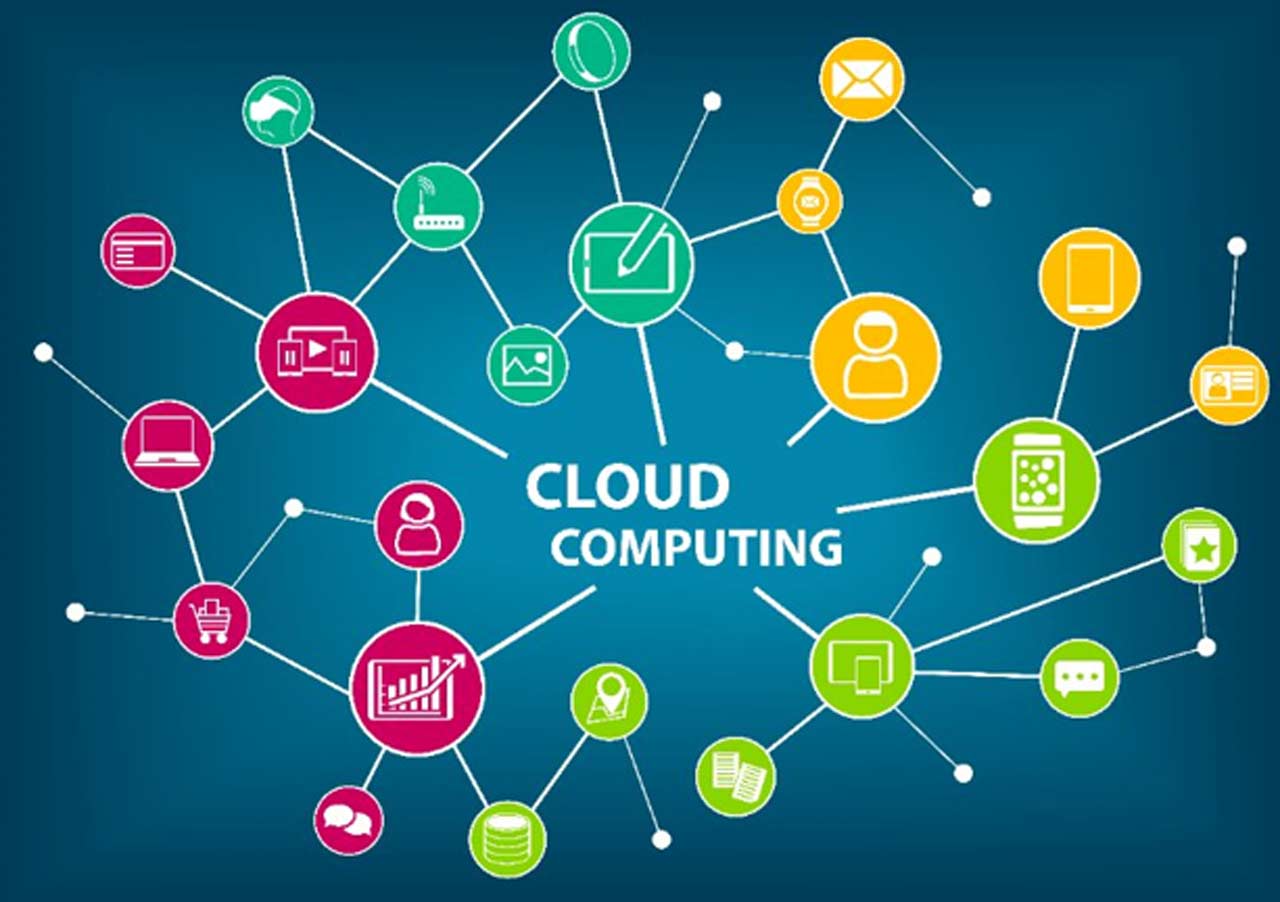
The true value of esl technology goes beyond minimizing manual workloads. By integrating with cloud-based platforms such as an IOT cloud plateform for retail, leveraging ai analytics, and connecting with in-store sensors, esls create rich opportunities for on-shelf availability optimization. The ability to update pricing automatically forms a solid foundation, but it is the intelligent use of real-time data and automation that truly elevates operational efficiency and decision-making.
How is the internet of things amplifying ESL functionality?
The IoT ecosystem empowers physical devices such as ESLs and shelf sensors to communicate seamlessly over secure networks. With embedded wireless modules, each label interacts dynamically with management systems, exchanging updates either locally or remotely through cloud computing infrastructure.


This increased connectivity dramatically extends the possibilities for automation and precise control, especially when solutions from Vusion are implemented:
- Shelves equipped with flow sensors instantly alert staff when products are running low, triggering timely replenishment workflows.
- Temperature and humidity sensors protect perishable or sensitive items by sending alerts if environmental conditions threaten product quality.
- Movement analysis via IoT beacons helps optimize shelf arrangements, improving navigation and overall shopping experience.
Enabling seamless inventory tracking and restocking
Integrating ESLs within broader IoT frameworks transforms restocking from a reactive task into a proactive process. Every time a product gets picked up or scanned, real-time data updates inventory levels instantly. This ensures complete visibility, reduces errors, and supports superior on-shelf availability optimization, cutting down lost sales due to empty displays.
With iot-driven automation, staff can focus on high-value interactions rather than repetitive manual checks. Operations become more streamlined, and shoppers consistently find fully stocked shelves.
Optimizing dynamic pricing strategies through IoT
Thanks to IoT integration, ESLs can receive instant instructions for price adjustments, reflecting factors like demand surges, time-sensitive promotions, or special events. Automation enables effortless execution of flash sales and quick adaptation to market trends. Price changes and promotional updates become simple, reliable, and accurate—handled efficiently by connected devices operating in the background.
This agility not only enhances revenue potential but also keeps retailers competitive, empowering them to adapt rapidly in a fast-moving retail landscape.
How is artificial intelligence taking ESL performance to the next level?
Artificial intelligence injects advanced predictive insights and powerful automation into ESL deployments, evolving what was once a static system into a dynamic, responsive tool for modern retail technology.
Through sophisticated machine learning algorithms, ai processes vast volumes of real-time data generated by esls, point-of-sale systems, shopper counters, and other sources. It identifies patterns, forecasts stock shortages, and proposes actionable steps for employees or automated systems to implement right away.
- Machine vision cameras mounted above shelves can verify planogram compliance, detect misplaced items, and flag anomalies almost instantaneously.
- Ai-powered demand forecasting leverages historical transactions and external influences like holidays or weather to fine-tune inventory and trigger dynamic pricing on esls.
- Personalized promotions displayed through esls foster deeper engagement, suggesting relevant upsells based on current store conditions and shopper purchase histories.
Harnessing automation for streamlined retail operations
Automation, driven by ai, drastically cuts the manual workload linked to managing shelf labels. Pricing and product details update autonomously according to business rules managed in the cloud, ensuring constant alignment with retail strategies. Real-time corrections help maintain profit margins while reducing labor costs, enabling teams to concentrate on enhancing the shopper experience.
This partnership between automation and human expertise encapsulates the essence of smart retail solutions supported by AI-enabled ESLs, simplifying even the most complex workflows across store networks of any scale.
Enhancing decision-making with intelligent analytics
Artificial intelligence excels at converting raw operational data into meaningful insights. When integrated with esls, analytics dashboards provide managers with critical trends, including sales velocity, markdown responsiveness, and shelf compliance scores. Retailers gain the ability to pivot strategies quickly, benefiting from insights that would otherwise be unreachable through manual effort alone.
Continuous analysis turns electronic shelf labels into valuable assets that drive profitability, loyalty, and differentiation in an increasingly competitive environment dominated by innovative retail technology.
What does the future hold for retail technology and ESL innovation?
The ongoing integration of cloud computing, AI, and IoT will continue to elevate both consumer and team expectations within connected stores. Each breakthrough in real-time data processing and automation fosters greater resilience and faster adaptation to shifting market dynamics. Early adopters often realize measurable gains in responsiveness, customer satisfaction, and operational excellence.
As retail becomes ever more sophisticated, electronic shelf labels are set to serve as vital links between the physical shopping space and expansive digital ecosystems. They are central to smart retail solutions, merging automation, intelligent analytics, and advanced connectivity to maximize impact throughout the store. Visionary organizations will keep expanding the boundaries of what ESLs can achieve, reimagining how shelves communicate, evolve, and deliver lasting value every day.