 Customer experience in voice channels has not kept pace with what customers now expect from digital interactions. Most people have spent years interacting with recommendation systems, search tools, and chat interfaces that feel responsive and contextual. Then they call a company for support and encounter a system that asks them to press one for billing or two for technical support, plays hold music for three minutes, and then connects them to an agent who asks them to repeat everything they have already said. The contrast is not subtle, and customers feel it.
The problem is not that companies have not tried to improve their voice channels. Many have. The problem is that the tools they have been using were not designed for the kind of conversation quality that modern AI can now support. Legacy IVR systems were designed to route calls efficiently, not to resolve them. That architectural assumption is what most customer experience problems in voice channels trace back to.
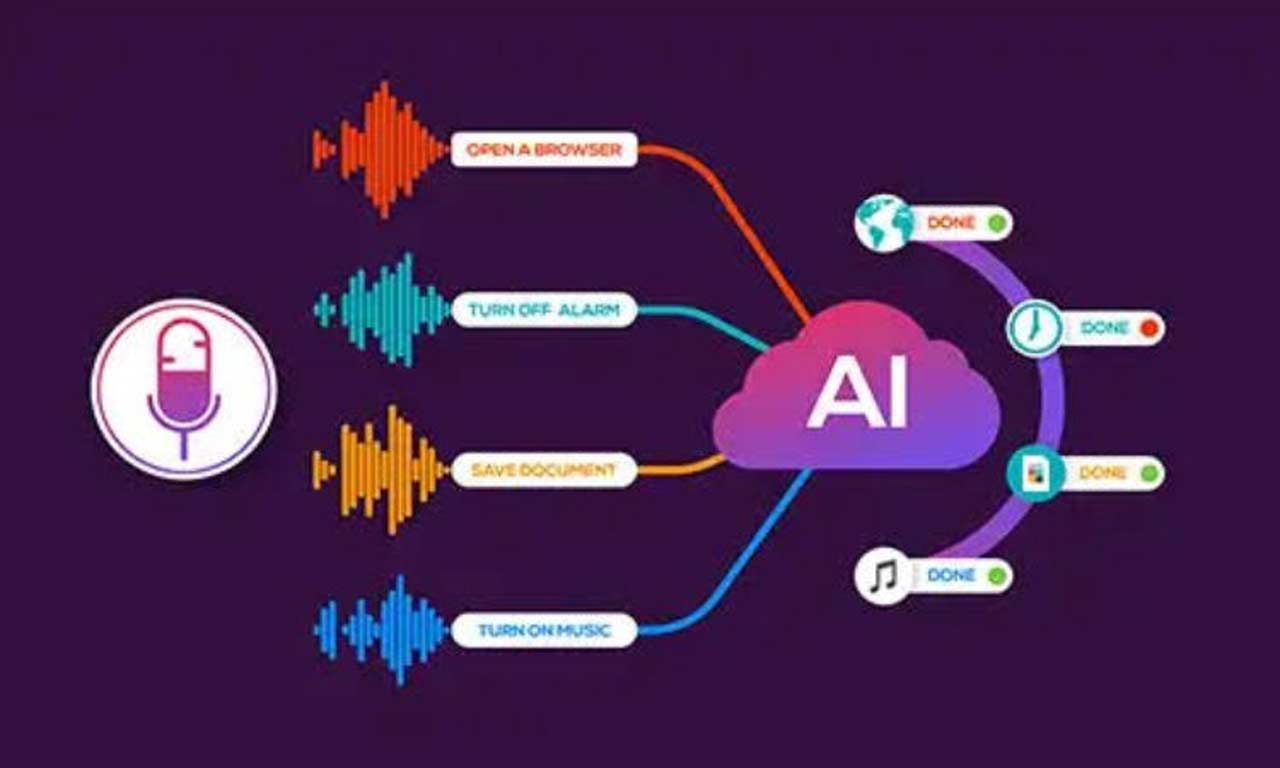
A real-time voice AI platform changes the architectural assumption. Rather than routing a customer to the right queue, it attempts to resolve the customer’s need within the conversation itself, using natural language understanding to follow what the customer is saying, accessing the relevant systems to retrieve or update information, and responding in a way that matches the flow of a real conversation. The voice AI platform that Tata Communications has built through its Kaleyra AI infrastructure is designed around this resolution-first model rather than a routing-first one.
What Real-Time Processing Changes
The real-time dimension of voice AI is where the customer experience difference is most directly felt. A system that processes speech in near-real time, meaning the gap between the customer finishing a sentence and the system responding is measured in milliseconds rather than seconds, maintains the conversational rhythm that makes an interaction feel natural. A system that introduces noticeable delays between speaker turns feels mechanical regardless of how natural the voice sounds.
This is where the underlying architecture of a voice AI system matters more than the voice quality alone. A pipeline that routes audio through speech recognition, then through a language model, then through text-to-speech synthesis, introduces latency at each stage. The sum of those latency contributions is what the customer experiences as the pause before a response arrives.


The technical approach to reducing this latency is discussed in detail through this resource on speech-to-speech AI architecture and how it compares to pipeline-based processing in terms of both latency and conversational naturalness.
Use Cases Where This Matters Most
Not every voice interaction requires the full capability of a real-time AI system. Simple call routing, basic account balance queries, and appointment reminders can be handled adequately by less sophisticated tools. The use cases where real-time voice AI produces the clearest differentiation are those involving multi-turn conversations where context needs to be maintained across the full interaction, where the customer’s need cannot be anticipated precisely enough to script a response, or where the emotional tone of the interaction requires sensitivity that scripted systems cannot provide.
Collections calls, complex customer service inquiries, insurance claim intake, and healthcare appointment management are all use cases where the quality of the conversation directly affects both the outcome for the business and the experience for the customer. In these contexts, the difference between a system that feels like a real conversation and one that feels like a more sophisticated menu system is the difference between resolution and escalation.
Implementation Considerations
Deploying a real-time voice AI platform requires decisions about how the system connects to existing telephony infrastructure, how it accesses the customer data it needs to be useful, and how it hands off to human agents when a conversation exceeds what the AI can handle cleanly. Each of these integration points affects the quality of the customer experience the system produces.
The handoff to human agents is particularly worth designing carefully. A handoff that transfers the context of the AI conversation to the agent, so the customer does not need to repeat what they have already said, produces a significantly better experience than one where the context is lost at the handoff point, and the customer effectively starts the interaction again.