Introduction
However, technological advancements do not have to be game-changing to revolutionize the way the workplace functions. Although companies tend to prioritize big changes involving the costly transformation of their workplaces using digital technology, many of the gains achieved through technology are in the form of small and inexpensive changes that make life easier and decrease the chances of making errors. It has been seen time and again through research carried out by experts in workplace technology, productivity, and business magazines that small upgrades offer much faster rewards compared to big projects. With hybrid work, digital collaboration, and automation taking over modern organizations, businesses at all levels are realizing how strategic upgrades through technology can increase efficiency.
Smarter Collaboration Platforms
Communication is still considered one of the main obstacles in contemporary office environments. Workers constantly change from emails to chats, to video calls, to shared files during their working days. Unified collaboration tools allow eliminating additional communication lags because all conversations, files, calendars, and projects are consolidated in one place. Collaboration tools of today not only provide assistance to remote and hybrid workers but also help in real-time document editing, instant messaging, assigning tasks, and conducting meetings. Research on workplace productivity shows that reducing communication barriers allows concentrating on productive work.
AI Assistants for Everyday Tasks
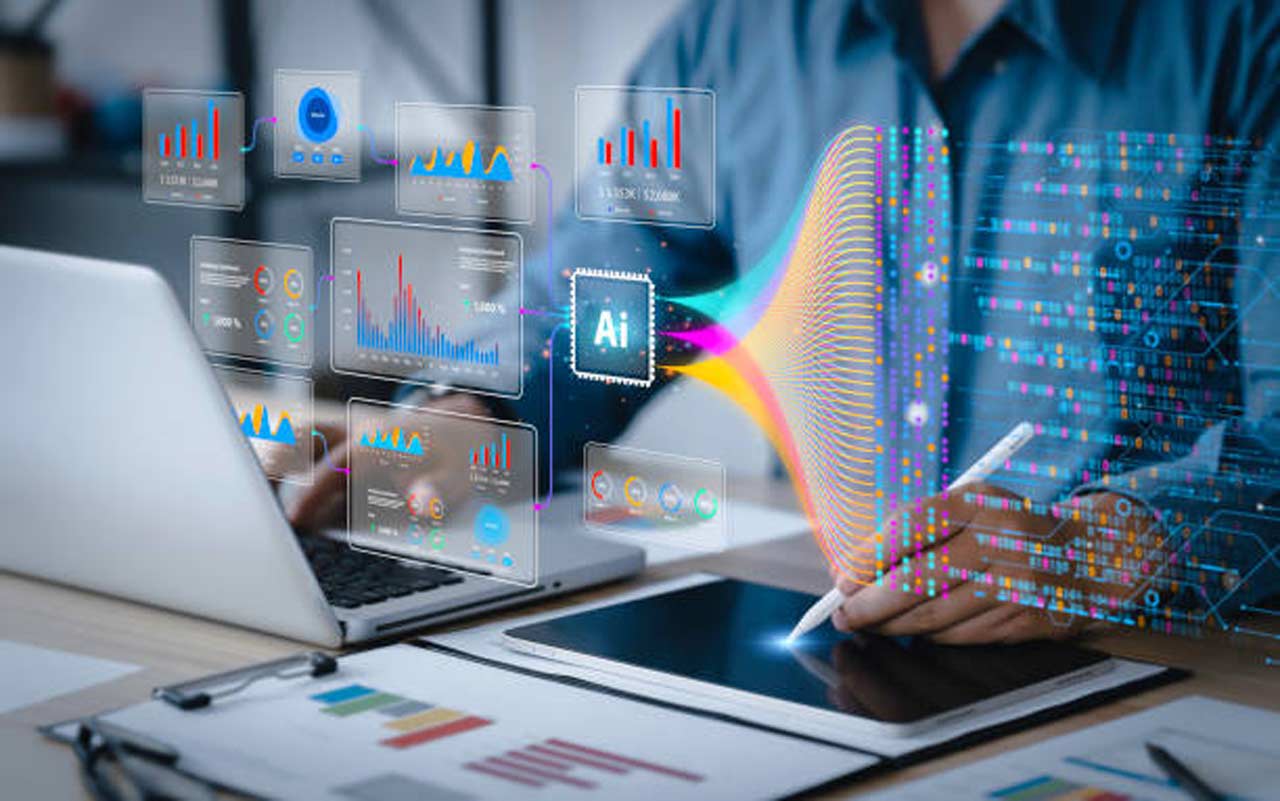
One of the most useful workplace innovations rather than just a new technology development is artificial intelligence. Artificial intelligence assistants can currently assist employees in summarizing meetings, drafting emails, scheduling, writing reports, and answering basic questions at the workplace within seconds.
AI does not replace workers but decreases repetitive administrative tasks that take much time of employees. According to the business technology researchers, the productivity of employees who use AI for routine tasks is increasing and they feel more satisfied with their work as they can concentrate on solving problems, being creative, and dealing with customers. In the case of small businesses, many features of artificial intelligence have been included in office software.
Automated Workflow Tools
Some processes within companies include repetitive manual tasks such as approval of documents, transfer of information from one system to another, and routine notifications. Invoices may automatically go through all approval levels, customer complaints may automatically be directed to relevant departments, and HR paperwork for new employees’ onboarding may be automated.

Automation helps in saving time and decreasing errors. Studies dedicated to the topic of business process automation prove that there are significant gains in terms of efficiency and cost reduction.
Better Password Management
Cybersecurity is not only an IT concern anymore. Poor passwords, credential reuse, and password loss issues keep presenting security challenges for companies. Password managers provide a simple yet extremely efficient technology solution. With password managers, you can safely save strong passwords, create new credentials, and let your employees access applications without using weak passwords or writing anything down. Cybersecurity specialists always recommend the use of password managers as one of the most simple methods of enhancing cybersecurity of the company.
Dual Monitors and Improved Displays
Occasionally, improvements can be achieved through hardware rather than software. Many researches conducted in workplaces revealed that workers who use dual monitors do many things more quickly than workers with one monitor. An extra monitor helps to avoid the need to constantly switch windows and enables workers to see all spreadsheets, reports, communication tools, and research at once. Graphic designers, accountants, programmers, analysts, marketers, and customer services departments may gain much from such a simple improvement. High-quality monitors decrease eye fatigue and improve visibility.
Noise-Cancelling Headsets
In many cases, the open office and hybrid working environment creates distraction that affects concentration among workers. Good noise-canceling headphones make it possible to reduce the level of background noise during virtual conferences, which also increases audio quality on both sides. Good communication is critical for remote workers who have most of their days in virtual conferences. It eliminates any mistakes, fatigue, and need for repetition due to poor audio quality. Communication technology has become a vital investment in terms of productivity.
Cloud-Based File Storage
Looking through several folders and waiting for email attachment slows the process of collaboration. Cloud storage allows users to access their documents safely using virtually any device at the same time allowing other members of the team to work together simultaneously. The process of synchronization prevents any problems related to version conflict as everyone will be working with the most up-to-date version of the document. With the help of cloud storage, business continuity is achieved as files will still be available even if local devices get compromised. Cloud collaboration plays an important role in the digital workplace research studies.
Smart Scheduling Tools
Matteo Valles of Vol Case believes meeting scheduling can actually take more time than the meeting itself. The right meeting software not only finds possible time slots for meetings, coordinating people from different time zones, but also connects directly with video conferencing services.
In addition, some meeting scheduling systems perform analysis of work processes and suggest meeting-free time spans when an employee can concentrate. All those little improvements will definitely help to organize your workload and maintain concentration time.
Digital Note-Taking and Knowledge Management
Some critical information may get dispersed in notepads, emails, chats, and personal computers. Digital notetaking software allows creating a searchable platform where employees can take notes, document meetings, procedures, and project details.
Knowledge management systems also help to maintain corporate memory when employees change jobs or leave the company. Rather than spending time on answering similar questions again and again, employees can prepare a database for future use. Such technology implementation may bring many benefits for the organization.
Employee Well-Being Technology
Efficiency in productivity is not only based on effective systems but also on the health of employees. Minor technological advances like ergonomic keyboards, adjustable desks with digital prompts, wellness apps, and time spent in front of screens can greatly minimize tiredness and promote healthy working practices.
Wellness apps are increasingly used by many businesses to notify their employees about taking breaks, drinking water, stretching, or meditating at their workplaces. Many HR consultants also recommend combining these technologies with broader employee wellbeing and engagement initiatives to maximize their impact.It is an undeniable fact that healthy workers are more engaged, less absent, and more productive.
Conclusion
Not all tech upgrades are expensive million-dollar projects. On the contrary, the most significant improvements stem from innovations that help solve problems faced at work every day. Collaboration tools, virtual assistants, workflow automation, password management software, cloud computing, improved screen technologies, knowledge management tools, and employee wellbeing apps all make work easier and improve employee experience.
By focusing on continuous improvement with the help of small technology upgrades, companies become capable of adapting their operations to new business realities faster than with massive digital transformations projects. Instead of planning big changes that may take years to implement, businesses can make improvements by fixing inefficiencies faced during day-to-day work using technology tools.