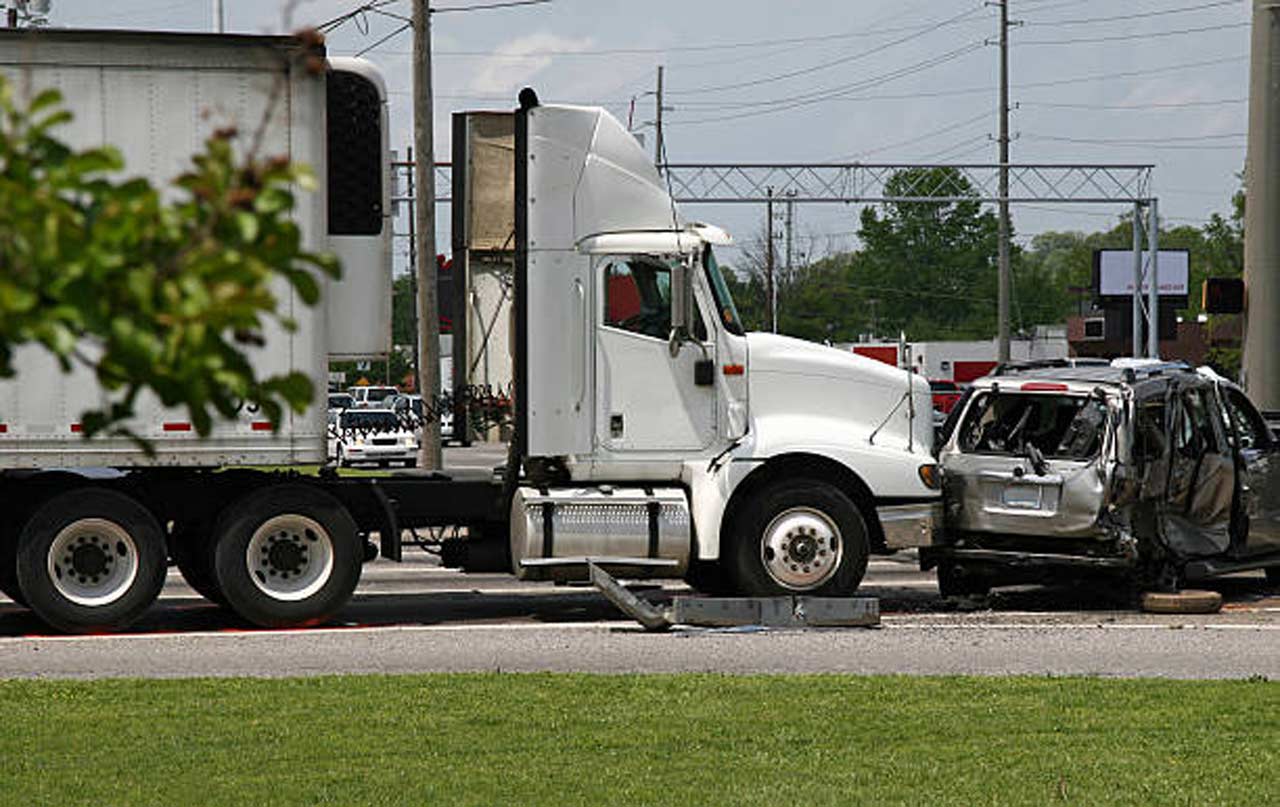
In Fort Lauderdale, severe truck collisions can leave victims facing life-changing injuries, lengthy medical treatment, and significant financial uncertainty. Because these crashes often involve commercial carriers, multiple insurance policies, and complex questions of liability, building a strong injury claim requires careful attention from the very beginning. Understanding how collision injury claims are developed helps injured people protect critical evidence, document the full impact of their injuries, and pursue compensation that reflects both their current losses and future recovery needs.
Why early action matters
Time works against an injury claim after a heavy truck collision. Skid marks fade, video disappears, and damaged parts get moved or repaired. Families often seek guidance from a Fort Lauderdale truck accident lawyer because early review can secure driver logs, onboard data, dispatch records, witness statements, and treatment notes before gaps appear. That first window often shapes the full value of the case.
Severe injuries raise claim value
High-force impact changes the medical picture fast. Victims may face brain swelling, nerve damage, pelvic fractures, organ injury, burns, or amputations. Those conditions affect mobility, sleep, concentration, and future employment in ways a short emergency chart may miss. A sound claim reflects present expenses, projected treatment, likely complications, and the physical limits that remain after formal discharge.
Liability can reach beyond the driver
The driver may have made the last mistake, yet the fault picture can stretch further. A trucking company might ignore rest limits or poor training records. Cargo crews can create rollover risk through uneven loading. Maintenance vendors may miss worn brakes or tire defects. Part makers also enter the case if failure inside the vehicle helped trigger the collision.


Key evidence shapes the case
Severe claims depend on disciplined proof. Electronic control data, hours records, dispatch messages, phone use, inspection files, and crash scene images often matter as much as live testimony. Medical records also need order and consistency. Disorganized material gives insurers room to challenge causation, symptoms, and recovery needs. Good evidence tells one coherent story from impact through treatment.
Records with the most weight
Objective material usually carries the most force. Imaging studies, surgical notes, neurologic findings, scene photography, and preserved truck data can connect body damage to crash mechanics with unusual clarity.
Medical timelines must stay consistent
Insurers study treatment patterns closely. Delayed visits, missed therapy, or shifting symptom reports can be used to argue that pain came from another source. Consistent care helps show what the body experienced after impact. Emergency evaluation, follow-up imaging, specialist referrals, physical therapy, and medication changes should fit into a stable sequence. That timeline supports both diagnosis and long-term prognosis.
Damages go far past hospital bills
The financial picture rarely ends with emergency transport and surgery. Severe trauma can bring repeat imaging, home modifications, mobility devices, counseling, scar revision, pain management, and future procedures. Wage loss may continue long after discharge if stamina, grip strength, memory, or balance do not return. Claims should also reflect pain, sleep disruption, reduced independence, and loss of normal daily function.
Florida deadlines still matter
A strong case can still fail if filing deadlines pass. Delay also weakens proof well before any court date matters. Witness recall fades, roadside footage gets erased, and damaged trucks return to service. Medical offices may archive records in ways that slow retrieval. Prompt legal action protects evidence while the injured person focuses on stabilization, follow-up care, and physical recovery.
Insurance tactics can reduce payouts
Large carriers handle catastrophic claims with care for their own exposure. Adjusters may request recorded statements before the diagnosis fully settles. Some try to frame symptoms as age-related changes, prior degeneration, or minor soft-tissue strain. Early offers can look substantial while future surgery or wage loss remains uncertain. Careful review prevents short-term pressure from controlling a long-term claim.
Local crash patterns add context
Road design and traffic flow can add a useful background in a truck case. Fort Lauderdale sees dense freight movement near major interchanges, port routes, and high-speed connectors. Congestion, lane shifts, and limited reaction time raise the chance of underride impacts and multi-vehicle chain events. That setting does not prove fault, yet it helps explain why careful scene analysis often matters in these claims.
Conclusion
Severe collision claims after truck accidents require urgency, clinical detail, and disciplined legal analysis. A well-built file shows how the crash happened, what the body suffered, and which losses will continue months or years later. That work includes preserving evidence, identifying all responsible parties, and measuring harm beyond the initial invoices. For injured families, careful case preparation can protect both medical recovery and financial stability.