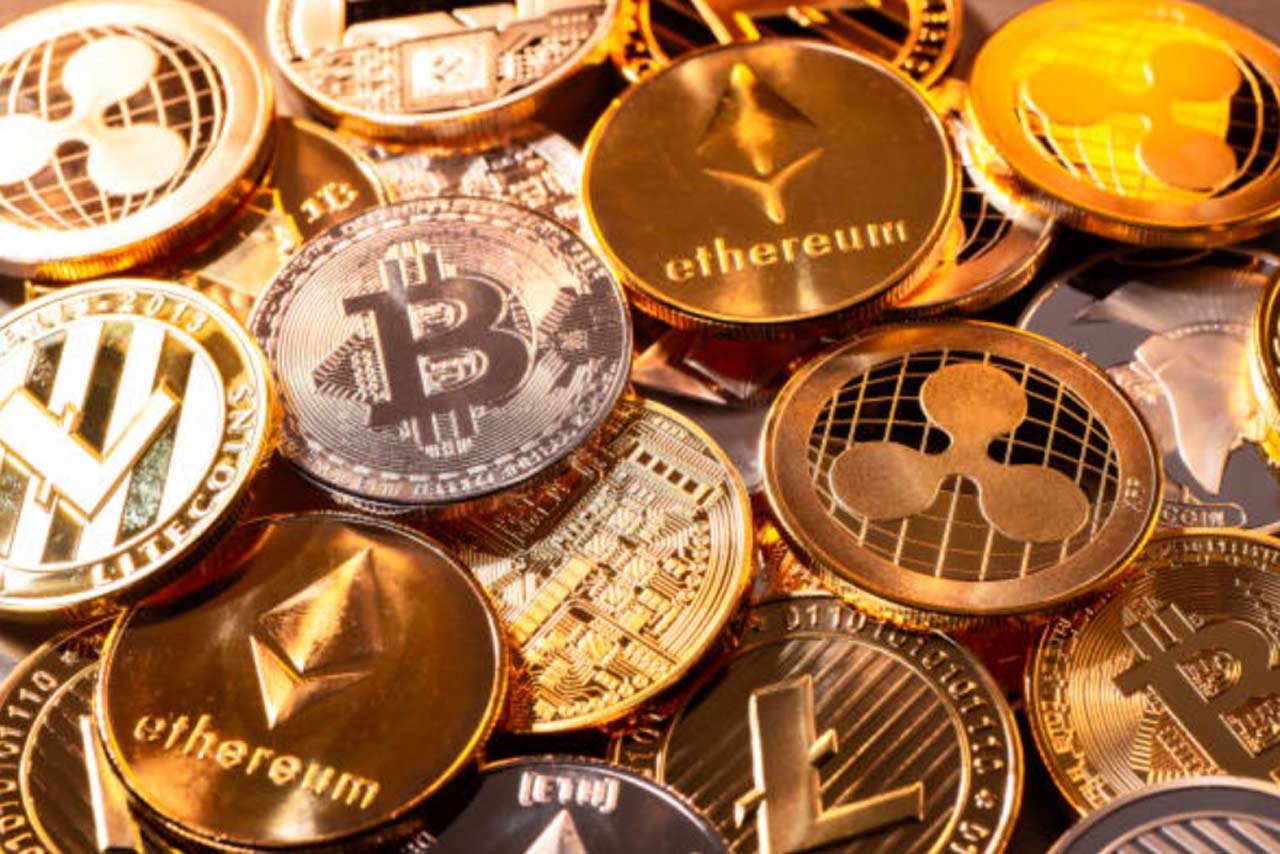
 The cryptocurrency market is full of opportunities — and challenges. Timing, strategy, and understanding market dynamics can make all the difference between profit and loss. Among the most talked-about digital assets, XRP continues to grab investor attention thanks to its speed, scalability, and unique role in global payments.
But one question often arises for XRP holders: When is the right time to convert XRP to USD?
In this post, we’ll explore XRP’s potential future value, the factors that could influence its growth, and smart strategies for deciding when to convert your holdings to U.S. dollars.
A Quick Look at XRP and Its Purpose
Unlike most cryptocurrencies designed for peer-to-peer payments, XRP was created by Ripple Labs to address real-world financial challenges — primarily, the slow and expensive nature of cross-border transactions. Ripple’s payment protocol enables banks and financial institutions to transfer funds across borders in seconds using XRP as a bridge currency.
This practical use case gives XRP a unique advantage. Its price isn’t driven purely by hype but also by real-world adoption and institutional demand. Ripple’s partnerships with banks and payment providers worldwide demonstrate that XRP isn’t just another speculative coin — it’s part of a bigger movement toward modernizing global finance.


Understanding XRP’s Market Evolution
Since its inception, XRP has had its share of highs and lows. It reached an all-time high in early 2018 but later faced a significant downturn due to market corrections and ongoing legal battles.
The SEC lawsuit against Ripple created uncertainty, but even through that period, XRP remained resilient. The partial victory Ripple achieved in 2023 gave investors renewed confidence. As of 2025, XRP still ranks among the top cryptocurrencies by market capitalization, showing that it continues to hold long-term potential.
However, like any crypto asset, XRP’s price remains volatile. This decides to convert XRP to USD a matter of strategy — not emotion.
Key Factors That Influence XRP’s Future Value
1. Regulatory Developments
XRP’s biggest price driver remains regulation. Once Ripple achieves complete legal clarity in key regions, such as the U.S., it could attract more institutional investors, potentially leading to a price surge.
2. Global Adoption of RippleNet
Ripple’s growing network of banking and financial partners continues to expand across regions. The increased usage of On-Demand Liquidity (ODL), which utilizes XRP for instant settlements, could significantly boost real-world demand.
3. Market Trends and Investor Sentiment
XRP often follows broader crypto market cycles. When Bitcoin and Ethereum rise, XRP tends to move upward as well. But during bearish markets, even strong projects see corrections.
4. Technological Advancements
Ripple’s focus on improving transaction speeds, security, and interoperability could strengthen XRP’s long-term position. The introduction of new use cases — such as integration with DeFi platforms — might further enhance its utility.
When Should You Convert XRP to USD?
Knowing when to convert XRP to USD depends on your investment style and financial goals. Here are three common approaches:
1. The Short-Term Trader’s Approach
If you trade actively, keep a close eye on price patterns and market news.
- Convert when XRP approaches major resistance levels or shows signs of being overbought.
- Watch for Ripple-related news or global partnerships that might cause short-term price spikes.
Selling during these surges can help you lock in profits before potential pullbacks.
2. The Long-Term Holder’s Strategy
If you believe in Ripple’s mission and long-term value, patience can pay off.
- Hold XRP until key regulatory milestones or major partnerships are announced.
- Instead of converting everything at once, sell gradually during market highs to balance profit and exposure.
This strategy allows you to stay invested while securing gains along the way.
3. The Risk-Averse Investor’s Mindset
For conservative investors, safety often comes first.
- If global markets turn unstable or crypto sentiment turns negative, converting a portion of XRP to USD can protect your capital.
- Similarly, after a big rally, consider converting some profits — it’s better to secure gains than risk losing them in a sudden correction.
Where to Convert XRP to USD Safely
When it’s time to make the move, always use reliable and secure platforms. A few of the best include:
- Coinbase – Easy to use, highly regulated, and supports direct XRP/USD pairs.
- Binance – Offers competitive trading fees and real-time conversion tools.
- Kraken – Trusted for strong security and compliance standards.
- CoinMarketCap & CoinGecko – Perfect for tracking live XRP prices and conversion rates before trading.
Always compare fees and market prices before converting, as small differences between exchanges can affect your total returns.
Tips to Maximize Your Conversion Gains
- Stay Updated – Follow Ripple’s latest announcements and industry news.
- Set a Profit Target – Decide in advance what price point makes sense for you to convert.
- Avoid Panic Selling – Don’t let temporary dips scare you into selling too soon.
- Use Limit Orders – Set your preferred selling price instead of using the market rate.
- Track Taxes – Crypto-to-fiat conversions may be taxable. Keep records of your transactions for compliance.
What the Future Holds for XRP
While predicting the exact future value of XRP is impossible, the fundamentals remain strong. Its use in cross-border payments, combined with Ripple’s expanding partnerships, makes it a long-term contender in the digital asset space.
Many analysts believe that if Ripple secures full regulatory approval and continues expanding globally, XRP could see significant price appreciation. However, as with any crypto investment, volatility will always be part of the journey.
Final Thoughts
Deciding when to convert XRP to USD is about more than just timing the market — it’s about understanding your goals, risk tolerance, and the evolving landscape of digital finance.
If you’re confident in Ripple’s long-term vision, holding XRP through short-term dips might make sense. But if you’ve met your profit targets or need to protect gains, converting to USD can be a smart financial move.
Either way, staying informed and strategic will help you make decisions that align with your investment goals. In the world of crypto, success belongs to those who plan ahead — not those who react to every market swing.