The Architecture of Everyday Choices: Designing a Life That Reduces Waste Without Trying Harder

When people think about sustainability, they often imagine effort—remembering to bring reusable bags, researching products, making “better” choices over and over again. It can feel like a constant demand on attention, as if living sustainably requires endless willpower.
But what if that assumption is wrong?
What if sustainability isn’t about trying harder, but about designing your environment so you don’t have to try as much at all?
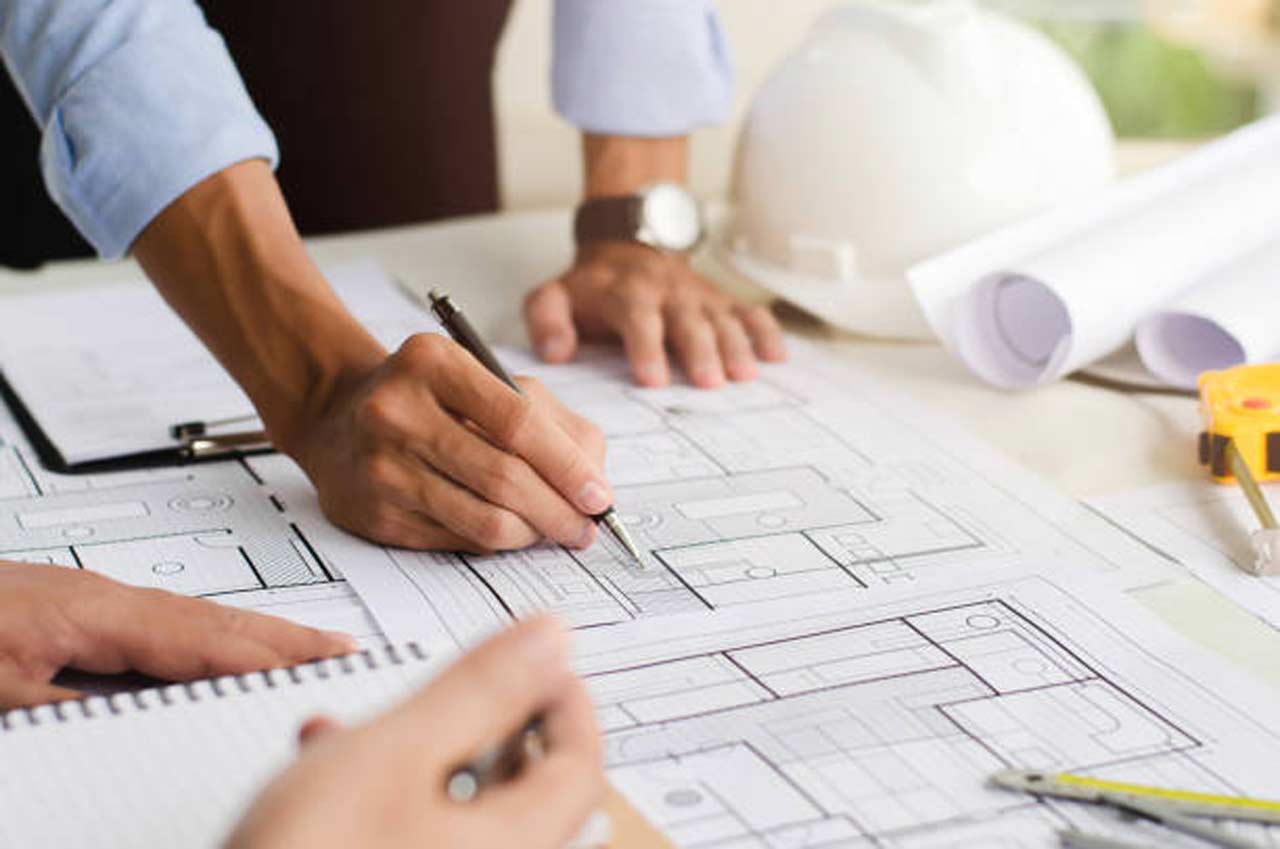
This is where the idea of “choice architecture” comes in—the way your surroundings shape your decisions before you even make them. And when applied thoughtfully, it can transform sustainability from something effortful into something automatic.

The Myth of Willpower
We tend to overestimate the role of willpower in our daily lives.
We assume that if we care enough, we’ll make the right choices consistently. But in reality, most of our decisions are not conscious—they’re influenced by convenience, visibility, and habit.
You don’t think deeply about every product you use. You reach for what’s available, familiar, and easy.
This is not a flaw. It’s how human behavior works.
The key, then, is not to fight this tendency, but to design around it.
Designing Your Default Options
Every environment has “default options”—the choices that are easiest to make.
If your bathroom is filled with conventional products, that becomes your default. If your local shopping options prioritize convenience over sustainability, that becomes your default too.
But defaults can be changed.
When you introduce items like plastic free floss into your daily routine, you’re not just making a one-time decision. You’re redefining what your default looks like.
Now, when you reach for floss, you don’t have to think about making a better choice. The better choice is already there.
This eliminates decision fatigue—the mental effort required to evaluate options repeatedly.
And when something requires less effort, it’s more likely to stick.
The Role of Physical Spaces
Our choices are deeply influenced by the spaces we move through.
Think about a typical store. Products are packaged, branded, and arranged to encourage impulse buying. Convenience is prioritized, often at the expense of sustainability.
Now imagine walking into eco friendly stores.
The layout is different. The products are different. The assumptions built into the space are different.
Instead of encouraging excess, these environments often promote intentionality. You’re invited to consider what you need, how much you need, and how it’s packaged.
The space itself does some of the thinking for you.
This is the power of environmental design. It shifts the burden away from the individual and onto the system.
Reducing Cognitive Load
One of the hidden barriers to sustainable living is cognitive load—the amount of mental effort required to make decisions.
Every time you have to:
- Compare products
- Check materials
- Think about waste
You’re using mental energy.
And over time, that energy runs out.
But when your environment is designed thoughtfully, much of that work disappears.
Having plastic free floss as your default option means one less decision to make. Shopping in eco friendly stores means fewer trade-offs to consider.
The result is a lighter mental load.
And when sustainability feels lighter, it becomes more sustainable in practice.
Habit Formation Through Environment
Habits are not just about repetition—they’re about context.
The same action can feel easy in one environment and difficult in another.
For example, flossing regularly might feel like a chore if the product is inconvenient or unpleasant to use. But when the item is accessible, thoughtfully designed, and aligned with your values, the habit becomes easier to maintain.
The environment supports the behavior.
This is why small changes in your surroundings can have outsized effects. They don’t just influence what you do—they influence how you feel about doing it.
The Feedback Loop of Better Choices
Once your environment is aligned with your values, something interesting happens: your choices begin to reinforce themselves.
You make a better choice once, and it becomes your default.
That default reduces the need for future decisions.
Fewer decisions lead to less fatigue.
Less fatigue leads to more consistent behavior.
This creates a positive feedback loop.
Instead of relying on motivation, you rely on structure.
And structure is far more reliable.
From Effort to Ease
There’s a common misconception that sustainable living is inherently harder. That it requires sacrifice, inconvenience, or constant vigilance.
But when you focus on design rather than effort, the opposite can be true.
A well-designed environment reduces friction. It makes the desired behavior the easiest behavior.
You don’t have to remind yourself to make better choices. You simply follow the path that’s already laid out.
This shift—from effort to ease—is what makes long-term change possible.
Scaling Small Changes
One of the most powerful aspects of choice architecture is that small changes can scale.
Switching to plastic free floss might seem minor. Choosing to shop at eco friendly stores might feel like a small adjustment.
But these changes don’t exist in isolation.
They influence other decisions.
They reshape your expectations.
They create new norms.
Over time, these small shifts accumulate, not just in your own life, but in the broader culture.
Rethinking Responsibility
We often place the responsibility for sustainability entirely on individuals. Make better choices. Be more mindful. Try harder.
But this approach has limits.
People are busy. Attention is finite. Willpower fluctuates.
A more effective approach is to share that responsibility with the environment itself.
Design spaces, products, and systems that make better choices easier.
Reduce the reliance on constant decision-making.
Create defaults that align with sustainability.
This doesn’t remove individual responsibility—but it supports it.
The Invisible Transformation
The most successful changes are often the ones you don’t notice after a while.
They become part of the background.
They feel normal.
They require no extra thought.
This is what happens when your environment is designed well.
Using plastic free floss doesn’t feel like a conscious decision every day—it just feels like what you do.
Shopping at eco friendly stores doesn’t feel like a special effort—it feels like where you go.
And that’s the goal.
Not to constantly think about sustainability, but to live it without needing to think about it at all.
Conclusion: Designing for the Life You Want
Sustainability doesn’t have to be a constant challenge. It doesn’t have to rely on perfect discipline or endless research.
It can be built into the structure of your daily life.
By focusing on choice architecture—on the design of your environment—you shift the burden away from effort and toward ease.
You make better choices not because you’re trying harder, but because those choices are simply easier to make.
Whether it’s something as small as switching to plastic free floss or as influential as choosing where you shop, the principle remains the same:
Design your environment well, and your behavior will follow.
And when that happens, sustainability stops being a goal you chase.
It becomes a life you’ve already built.