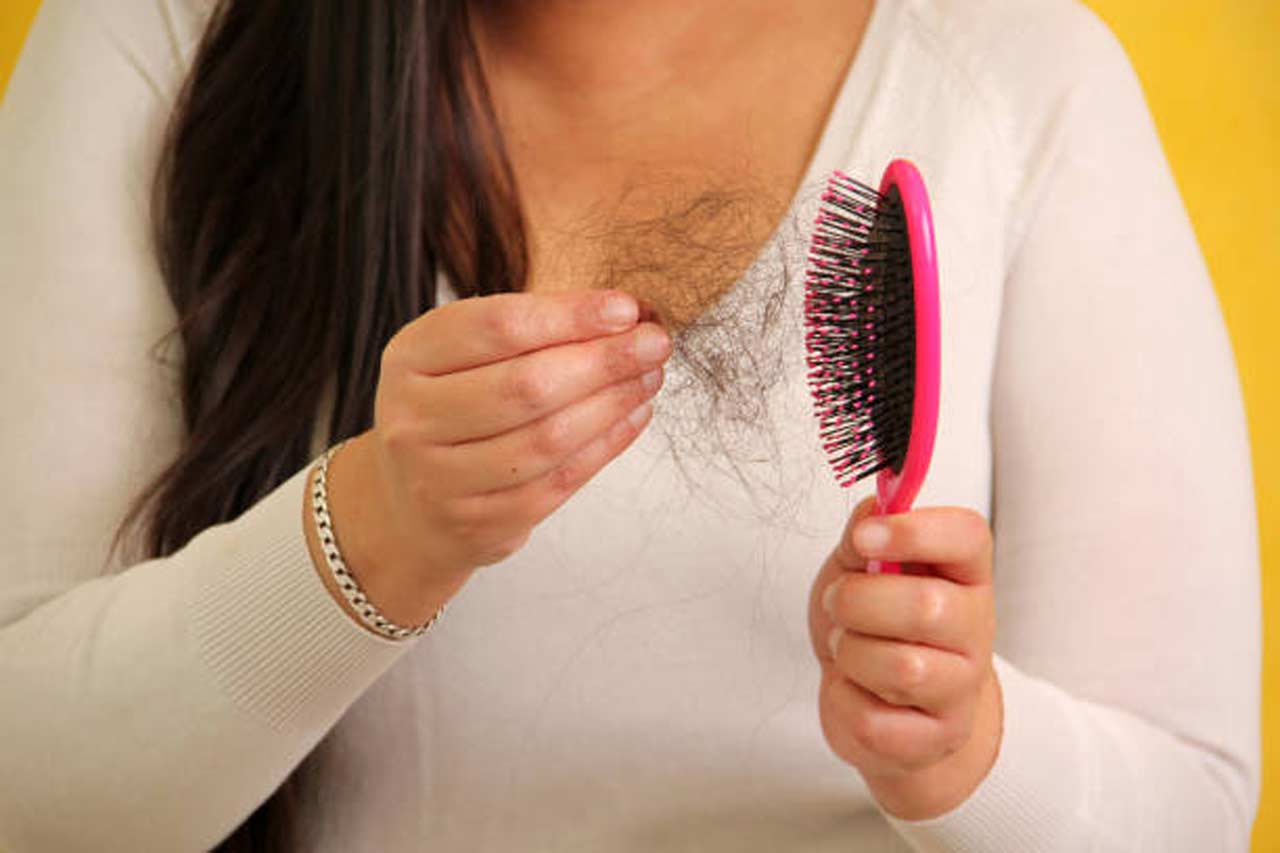
Postpartum hair loss is something many new mums experience several months after giving birth. Unfortunately, this is a natural part of recovery, but seeing clumps of hair fall out and flood bathroom tiles is emotionally traumatising. After all, getting used to a new body is tricky enough post-baby without worrying about aesthetics, and while hair thinning does not seem like a big issue to outsiders, it significantly impacts confidence and self-esteem. Luckily, it’s not only controllable but also reversible.
Using a postpartum hair loss treatment, the right nutrients, and Traditional Chinese Medicine (TCM) can help new mums regain their hair’s strength and vitality in a safe, naturally effective way.
Everything you should know about postpartum hair loss
What Causes Postpartum Hair Loss
Postpartum hair loss is linked to hormonal changes; oestrogen is high in utero, extending the growth phase of hair, which is why pregnant women feel they have full heads of hair. After giving birth, hormone levels drop substantially, and a plethora of hairs enter the shedding phase simultaneously. Stress, lack of sleep, and poor nutrition may compound the situation.
When does hair shedding happen?
Women experience postpartum shedding a few months after delivery. On average, two to four months post-delivery signals the start of increased hair loss, with most women losing the most hairs by six months postpartum. This phase of shedding is expected to be temporary, as levels stabilise by the baby’s first birthday. Depending on overall health, stress levels and lifestyle choices, it may take longer or shorter to return to pre-baby levels.

When is it more than postpartum shedding?
Know what’s expected. Postpartum shedding is normal; if you find a few stands on your pillow or in the tub. However, if your hair starts to look bald, your crown thins, or your scalp gets red and irritated from constant rubbing—this could indicate more than just postpartum hair loss. Seeking professional help for hair loss diagnosis is always suggested in these situations.
Hair Loss Solutions for Postpartum Hair Loss
Topical Solutions
Topical solutions are common prescriptions in hair regrowth initiations. Minoxidil is a go-to. Yet, for those breastfeeding or wanting a more natural approach, TCM scalp solutions are effective without causing side effects. These balance internal energy through scalp solutions that nourish the base of the hair and root systems while promoting follicle connection.
Oral Solutions
Postpartum females often find themselves deficient in iron, zinc, biotin, and vitamin D, retarding hair regrowth as well. After proper appointments and patient-recommended supplementations can boost the numbers again. Moreover, specialised vitamins are sold for postpartum females to reestablish chemical balances and promote previously forgotten follicles after such intense hormonal changes.
Lifestyle Changes
Small lifestyle changes make a big difference. Foods with these elements and others like eggs, leafy greens and nuts can promote regrowth naturally and from the inside out. Increased stress through parenting and societal expectations can influence remaining hormones. Meditative practices like yoga, mindfulness or meditations help restore the balance postpartum females need. Gentle shampoo alternatives to prevent breakage and limited heating appliances also support regrowth over time.
Professional Solutions
If at-home alternatives aren’t enough for a ‘new mom’ to handle, a professional hair consultation can offer scalp detoxes, low-level laser therapy (LLLT), and infusion of growth serums to help complement hair restoration efforts. A consult will provide all medically safe options through a detailed approach to personalised hair solutions for the best result.
Traditional Chinese Medicine (TCM) Methods
How TCM Facilitates Natural Growth
In TCM, hair is considered part of the blood and kidney essence. One’s body fails to produce enough Qi and blood to support hair growth postpartum. Thus, TCM regrowth methods operate as natural regrowth options with internal support by strengthening the kidneys and nourishing blood amidst tiredness and stress. Essentially, these methods treat the source while growing the strands.
Herbs Used To Treat Postpartum Hair Loss
Popular Chinese herbs used include He Shou Wu (Fo-Ti), Dang Gui (Angelica Sinensis), and Goji Berries. These are blood enriching, inflammation reducing and operate from the inside out to nourish follicles. When applied externally in herbal scalp masks or oils, they infuse the scalp with revitalising properties, kickstarting circulation and building roots.
How TCM and Other Methods Work Best Together
The more ancient techniques combine with modern treatment methods, the better. With scalp laser or oxygen therapy (two other recommended methods), herbs penetrate follicles without overcoming internal balance because they supply nutrients to where they’re needed in conjunction with these other facilitative methods. The proper balance ensures it works long-term for regrowth and other benefits.
Postpartum Hair Growth After Pregnancy Tips
Be Gentle with Your Hair
During the recovery phase, avoid tight hairstyles, harsh and unnecessary brushing, and chemical treatments. Use mild, sulphate-free shampoo and conditioner to wash and moisturise sensitive scalps. Regularly visit the salon for a trim to avoid split ends and volume loss.
Stimulate Follicle Activity
Gently massage your scalp with fingertips or Ayurvedic oils to increase blood circulation, relieve pressure, and encourage follicle activity. It’s also a soothing way to treat yourself and manage postpartum stress that triggers hair loss.
Track Progress and Troubles
Track your progress, if you’ve ,een shedding for a year or spot some bald patches it’s time to get help. The sooner you take action, the more likely recovery will be easier and faster.
When to Get Help
See a professional if you still shed like crazy during postpartum, experience bald patches throughout the scalp or develop angry symptoms on the scalp. These may indicate telogen effluvium postpartum hair loss or hormonal deficiencies needing special care. A dermatologist or TCM (traditional Chinese medicine) hair loss specialist, like the professionals at Beijing 101, can assess your scalp’s condition, diagnose the problem’s source and provide a valuable plan for safe recovery.
Reclaim Your Confidence with Postpartum Hair Restoration
Postpartum hair shedding is natural, but it can seem excessive. The best way to get back your hair’s strength back is through a combination of Western hair loss solutions, integrative TCM methods, and easy lifestyle adaptations.