iPhone 17 Air vs. Pro: How Thin Is Too Thin?
Discover how Apple’s thinnest iPhone stacks up against the Pro in design, performance, battery life, and durability.

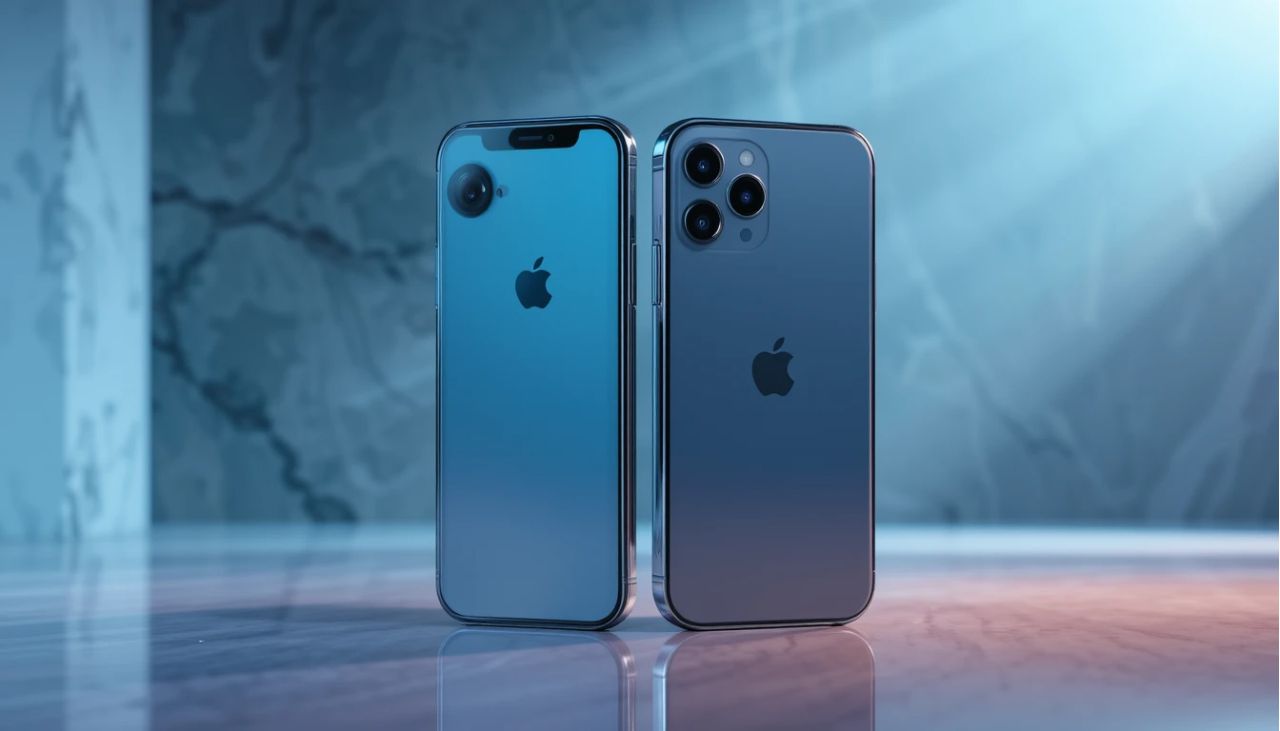
The iPhone 17 Air vs. Pro debate is heating up — and for good reason. This year, Apple shocked fans with the thinnest iPhone ever, the sleek new iPhone 17 Air. But here’s the question everyone’s asking: Is thinner always better? Or does shaving off those extra millimeters mean you lose out on battery life, durability, and raw performance?
On the other side of the ring is the iPhone 17 Pro, Apple’s powerhouse flagship. It’s thicker, yes, but it packs more muscle — from a bigger battery to advanced cooling and Pro-level cameras. Both models look stunning. Both feel premium. Yet, they couldn’t be more different when it comes to design philosophy.
The reason this thinness debate is trending goes beyond looks. Apple’s design shift has sparked conversations about trade-offs — between style and substance, portability and power, sleekness and stamina. And with whispers about new regional battery designs and better thermal management, the Pro might be more than just the “heavier sibling.”
This comparison matters even more now because Apple is launching 15+ new products this fall. The iPhone 17 lineup is just the start, and understanding which model truly fits your lifestyle can save you from buyer’s regret.


By the end of this article, you’ll know exactly which iPhone 17 is right for you. We’ll break down every key detail — from performance and battery life to comfort, durability, and real-world use. Whether you’re drawn to the featherweight elegance of the Air or the all-round dominance of the Pro, you’ll walk away with a clear winner for your needs.
Ready to find out how thin is too thin? Let’s dive in.
iPhone 17 Air vs. Pro – Quick Specs at a Glance
When it comes to the iPhone 17 Air vs. Pro, the first thing you’ll notice is size and weight. The Air is just 5.1 mm thin, making it the slimmest iPhone Apple has ever made. The Pro, meanwhile, is 7.8 mm thick — almost 2.7 mm thicker, but that extra space packs in more power.
Here’s a simple side-by-side view of their key specs:
| Feature | iPhone 17 Air | iPhone 17 Pro |
|---|---|---|
| Thickness | 5.1 mm | 7.8 mm |
| Weight | 142 g | 202 g |
| Battery Size | 2,950 mAh (approx.) | 4,300 mAh (approx.) |
| Material | Aluminum + Ceramic Shield | Titanium + Ceramic Shield |
| Price (USD) | From $999 | From $1,199 |
Both are crafted from premium materials, but the Pro’s titanium frame adds extra durability. Meanwhile, the Air’s lighter aluminum frame keeps weight down while still feeling premium.
In short, whether you choose the ultra-thin elegance of the Air or the feature-packed power of the Pro will depend on what you value most — portability or performance.
The Design Philosophy – Why Apple Went Ultra-Thin with the iPhone 17 Air
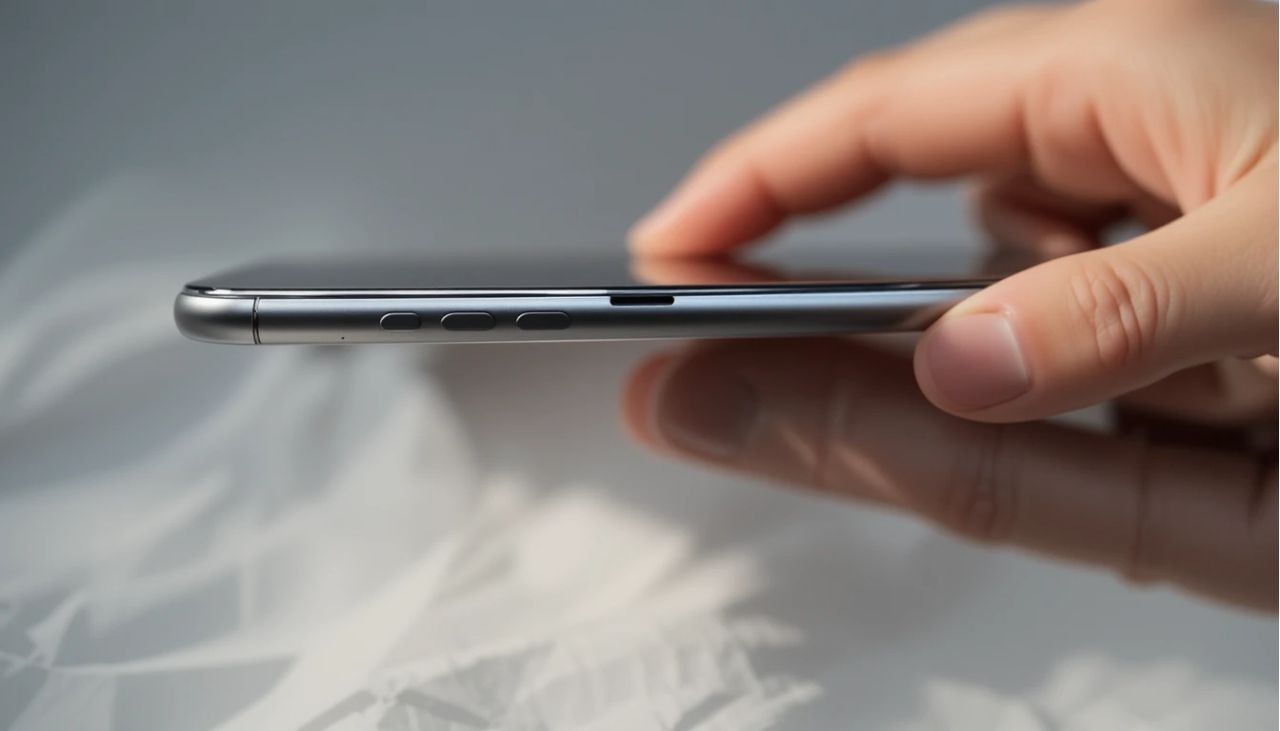
Apple’s obsession with thinness is nothing new. From the iPhone 6 to today, the brand has chased slimmer, lighter, and sleeker designs. With the iPhone 17 Air, Apple pushes the limits once again, creating one of its thinnest smartphones ever.
But this bold move sparks a big question — how thin is too thin? The design isn’t just about looks. It’s the result of years of history, clever engineering, and strategic choices aimed at making a phone that feels almost weightless in your hand. Let’s explore why Apple believes ultra-thin design is still worth the trade-offs.
Apple’s history with thinness (from iPhone 6 to now)
Apple’s love for thin iPhones started a long time ago, but the real turning point came with the iPhone 6. This model marked a major shift toward slimmer designs, changing how people saw smartphones forever. It was lighter, smoother, and easier to slip into a pocket. From that moment, Apple set a long-term trend — every new iPhone would try to be just a bit thinner than the last.
Over the years, millimeter-level reductions in thickness became part of the design story. The difference might seem tiny, but it made the phones feel sleeker and more modern. People loved how they could carry their devices without feeling weighed down. Pocket-friendliness became a big selling point.
This change wasn’t only about technology. It was also about consumer demand. Users wanted lightweight, easy-to-hold devices that still looked premium. Apple listened and made thinness part of its brand identity.
In ads and keynotes, Apple often highlighted elegance and minimalism. The focus was always on refined beauty, not bulk. This style-first approach shaped how the world imagined a high-end smartphone should look and feel.
Now, with the iPhone 17 Air, Apple takes that idea to the extreme — making it one of the thinnest iPhones ever. But as history shows, every design choice comes with a trade-off. The journey from iPhone 6 to today proves one thing: for Apple, thinness isn’t just a feature — it’s a philosophy.
The engineering trade-offs behind ultra-thin design
Making the iPhone 17 Air ultra-thin isn’t as simple as shaving off a few millimeters. It’s a careful balancing act between style and function. When a phone gets thinner, there’s less room for battery capacity and thermal management. This means engineers must work harder to make sure the phone still lasts all day and doesn’t overheat.
To keep the device light without making it fragile, Apple uses advanced materials like strong aluminum alloys. These metals provide durability while keeping the weight low. Still, the real challenge is inside. Every internal part — from the logic board to the cooling system — must be miniaturized. This level of precision adds complexity to manufacturing and raises costs.
However, thinness has its downsides. There may be compromises in durability since slimmer frames can bend or crack more easily under pressure. Cooling efficiency can also suffer because there’s less space for heat dissipation.
Even with these hurdles, Apple pushes forward because an ultra-thin design offers a sleek, premium look that many users love. The focus keyword — iPhone 17 Air vs. Pro — matters here, as the Pro can afford more space for bigger batteries and stronger cooling, while the Air focuses on style and portability.
In the end, building an ultra-thin iPhone is about smart engineering choices. It’s not just about making a phone thinner — it’s about making it thin enough without losing the features people expect from a premium device.
How the Pro takes a different approach for performance and battery
When comparing the iPhone 17 Air vs. Pro, it’s clear that the Pro is built with a different mission. Instead of chasing the thinnest frame possible, the Pro goes for a slightly thicker build. This extra space means it can hold larger batteries for longer use and better cooling systems to handle intense performance.
Apple gives the Pro a titanium frame, which adds incredible strength while keeping weight manageable. This choice makes the phone tough enough for daily wear and tear without feeling heavy in your hand. The extra durability is a win for people who need their phone to last for years.
That thicker body also allows room for Pro-exclusive hardware. You’ll find advanced tools like LiDAR scanners for precise depth sensing and bigger camera sensors for sharper photos in low light. These features wouldn’t fit so easily in the ultra-thin Air without sacrificing battery or stability.
The iPhone 17 Pro is designed for power users. These are people who care more about performance, camera quality, and battery life than having the thinnest phone in their pocket. Gamers, photographers, and heavy multitaskers will likely appreciate the Pro’s balance of strength and speed over extreme thinness.
In short, the Pro proves that sometimes a little extra thickness delivers a lot more value. It’s Apple’s way of saying: performance first, thinness second. And for many users, that’s a trade worth making.
Performance Showdown – Does Thinness Affect Power?
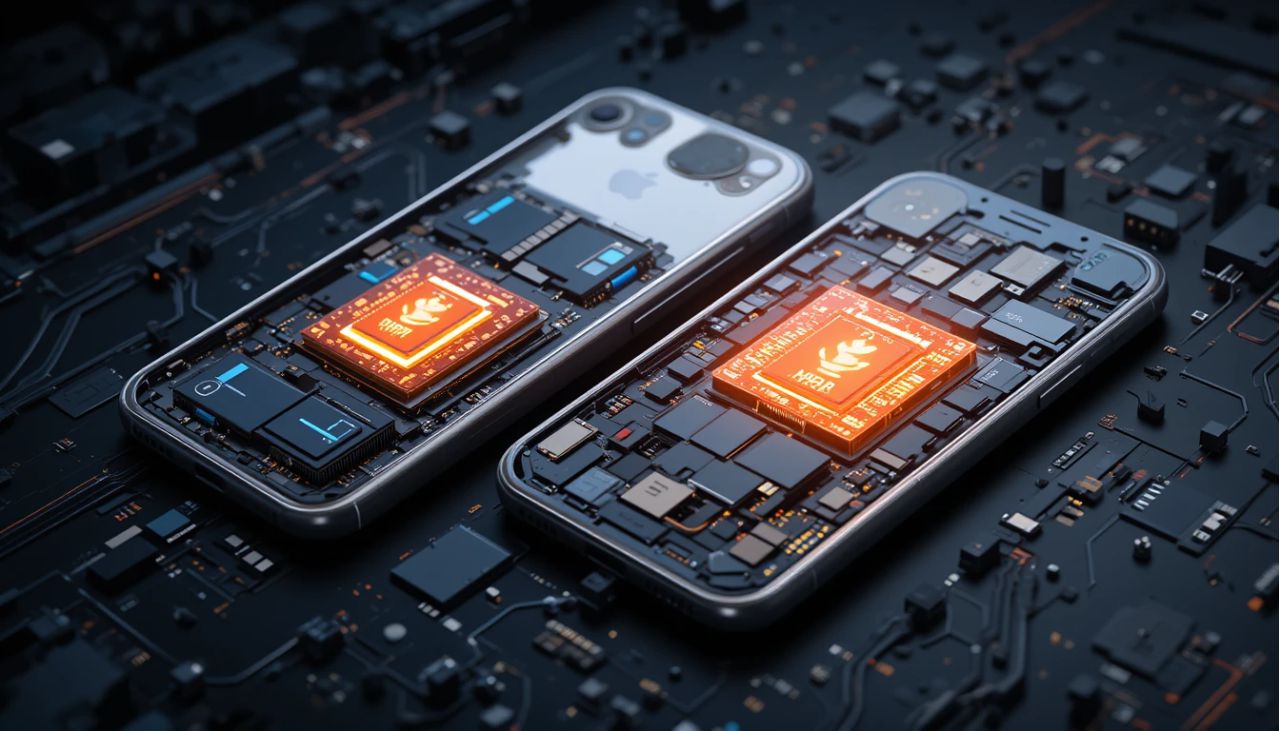
When comparing the iPhone 17 Air vs. Pro, performance is where the gap starts to show. Both models run on Apple’s latest A19 Bionic chip, delivering lightning-fast speed for apps, games, and multitasking.
To understand the full capabilities and differences between the chips in each model, check out Breaking Down the A19 Pro Chip. However, thinness still affects how that power is managed in day-to-day use.
The iPhone 17 Air, with its ultra-slim 5.1 mm frame, has less space for cooling. This means that during heavy tasks — such as long gaming sessions or 4K video editing — it can heat up more quickly. When heat builds up, the phone may experience a slight slowdown to protect itself. It’s still very fast, but you might notice it if you push it hard for a long time.
The iPhone 17 Pro plays a different game. Its thicker 7.8 mm body leaves more room for advanced cooling systems and a larger battery. This lets the Pro maintain peak performance longer without overheating. So, whether you’re playing graphics-heavy games, editing high-resolution videos, or running multiple apps at once, the Pro stays cooler and steadier.
In real-world use, the Air shines for quick tasks, light gaming, and social media. It’s smooth and responsive for day-to-day needs. The Pro, on the other hand, is the choice for power users who want consistent speed even under pressure.
Thinness looks great, but when it comes to sustained performance, the Pro’s extra size works in its favor. In the iPhone 17 Air vs. Pro battle, power lovers will likely lean Pro, while style seekers will adore the Air.
Battery Life – The Biggest Compromise?
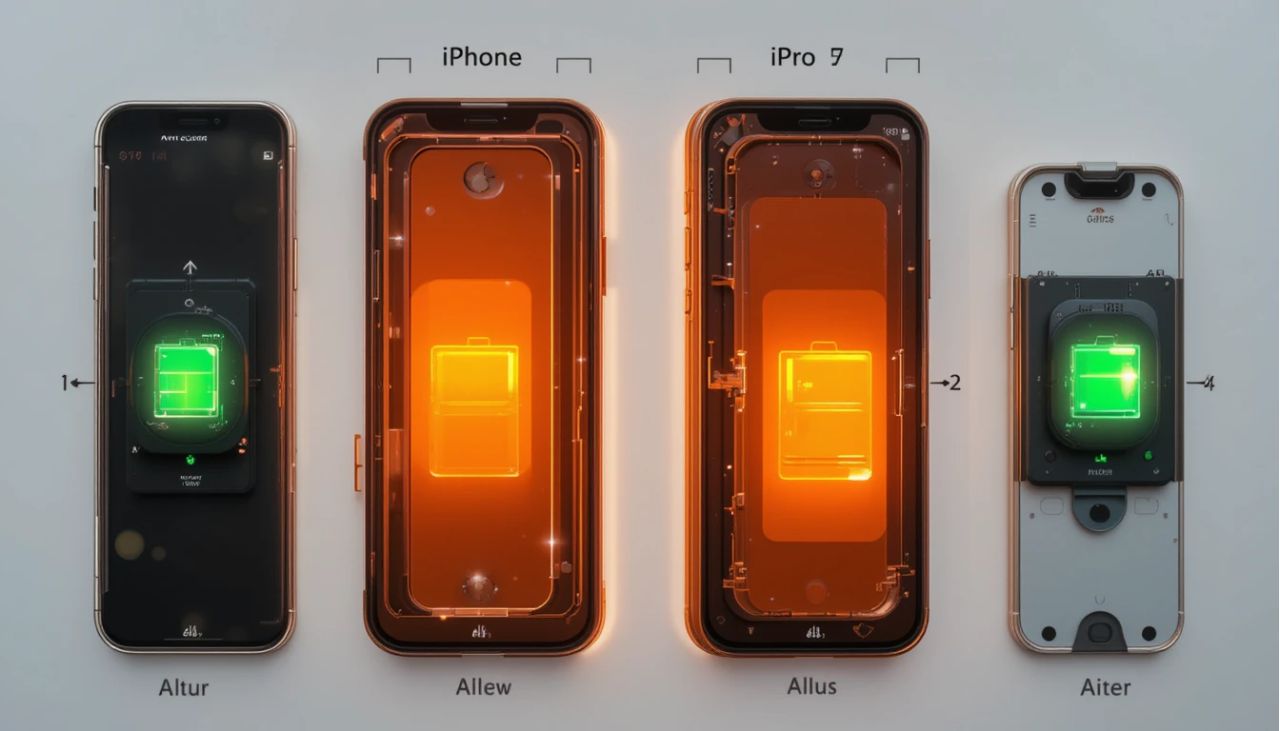
When we talk about the iPhone 17 Air vs. Pro, battery life is where thinness shows its biggest downside. The iPhone 17 Air packs a smaller 2,950 mAh battery, mainly because its 5.1 mm ultra-thin frame leaves less room for larger cells. The iPhone 17 Pro, on the other hand, carries a much bigger 4,300 mAh battery thanks to its 7.8 mm body. That extra space makes a big difference.
Apple is famous for smart battery optimization. Both models use the A19 Bionic chip and iOS’s power management to stretch battery life. Still, there’s only so much software can do when the physical battery is smaller.
In real-world use, here’s what you can expect:
- iPhone 17 Air: Around 6–7 hours of screen-on time with mixed use like browsing, social media, and light gaming.
- iPhone 17 Pro: Around 9–10 hours of screen-on time, even with heavier tasks like 4K video recording or long gaming sessions.
The difference is clear. The Air works perfectly for light users who charge once a day or don’t mind topping up in the afternoon. But if you need all-day endurance — especially for travel, work, or heavy apps — the Pro takes the win.
Thinness is beautiful, but power is practical. In the iPhone 17 Air vs. Pro debate, battery life could be the deciding factor for many buyers. If lasting longer matters more than being lighter, the Pro’s bigger battery is worth the extra weight.
Durability & Build Quality – Thin but Tough?
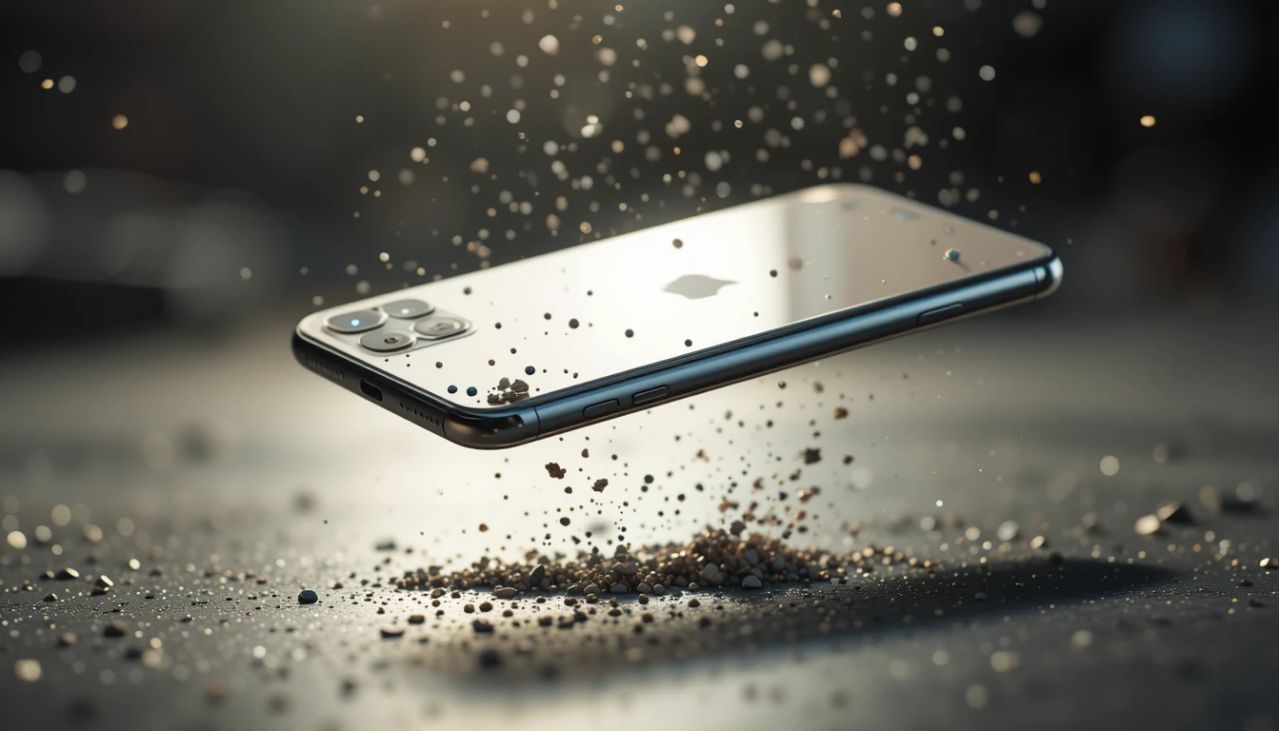
In the iPhone 17 Air vs. Pro showdown, design isn’t just about looks — it’s also about how well each phone can handle daily life. The iPhone 17 Air uses a lightweight aluminum frame paired with Apple’s Ceramic Shield front glass. This makes it sleek and comfortable to hold, but aluminum is softer than titanium. Over time, it can pick up small dents or scratches more easily if you’re not careful.
The iPhone 17 Pro takes a tougher route. It features a titanium frame, which is stronger, more rigid, and highly resistant to bending. This is especially important for a thicker device, as it’s designed to handle more weight and stress. If you drop your phone often, the Pro’s frame will give you extra peace of mind.
Both models have IP68 water and dust resistance, meaning they can survive a quick drop in water and keep dust out of the internals. That’s a welcome standard for any premium phone.
When it comes to bend resistance, the Pro’s thicker body and titanium frame hold up better under pressure. The Air’s ultra-thin 5.1 mm profile is more flexible, which might make it more vulnerable in extreme situations — though for normal use, it’s still solid.
In short, the Air wins on portability, but the Pro leads in ruggedness and long-term durability. In the iPhone 17 Air vs. Pro debate, this category is all about whether you value lightness or toughness more.
Camera Capabilities – Does Thickness Impact Photography?
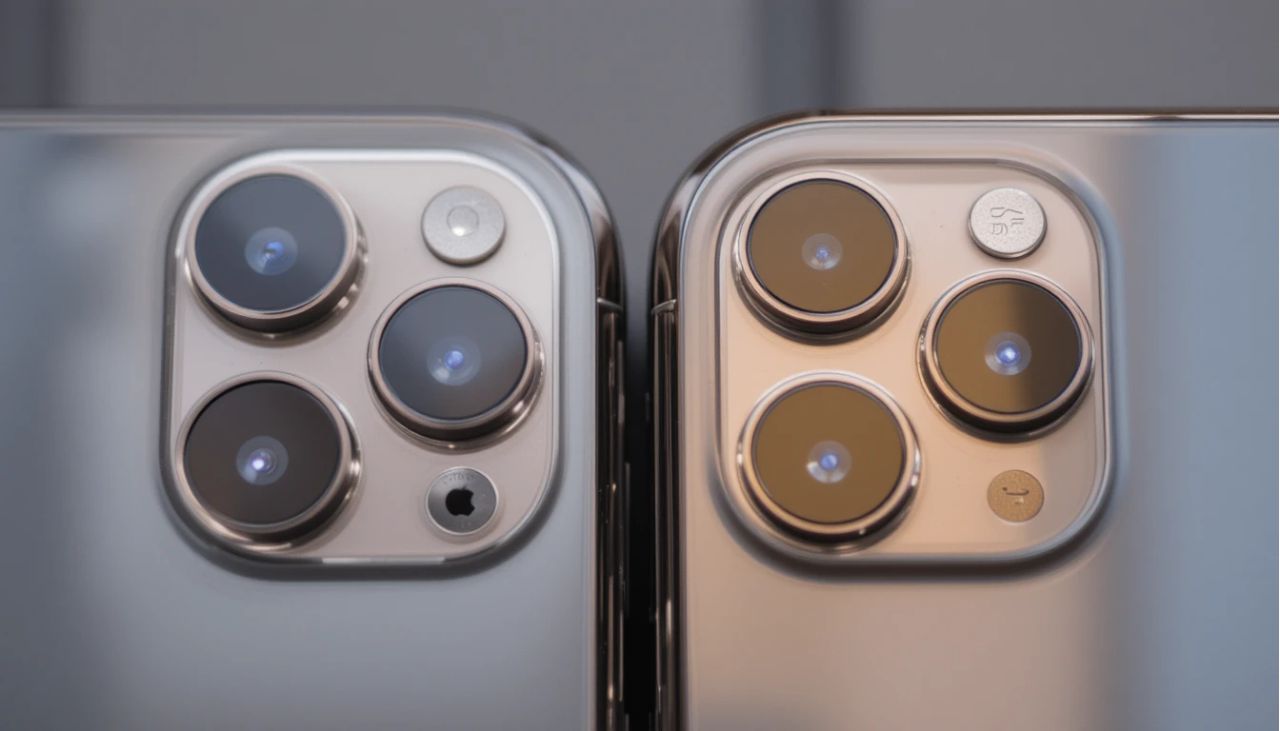
When comparing the iPhone 17 Air vs. Pro, the camera setup is one area where thickness makes a real difference. The iPhone 17 Pro comes loaded with Pro-exclusive features: a 5x telephoto zoom lens, LiDAR scanner for better depth sensing, and a larger main sensor for improved low-light shots. These upgrades make the Pro a dream for photographers, filmmakers, and anyone who wants the most detail possible in every shot.
The iPhone 17 Air takes a simpler, lighter approach. It still has a dual-camera system that delivers sharp, vibrant images in daylight and handles portraits beautifully. Thanks to Apple’s image processing, it still shines for casual photography, social media content, and everyday moments. But without the Pro’s extra hardware, you’ll notice the difference in night shots, zoom clarity, and professional-level editing flexibility.
One thing both models share is the lens protrusion — the way the camera bump sticks out from the back. On the Pro, it’s slightly larger to fit that bigger sensor and advanced optics. While it may not look as sleek, that extra depth is all about function. On the Air, the bump is smaller, keeping the back smoother, but also signaling a more compact camera system.
In short, if you want the best iPhone camera ever, the Pro wins with its advanced hardware and features. If you prefer a lighter phone that still captures great everyday photos, the Air is more than enough. In the iPhone 17 Air vs. Pro debate, your choice comes down to how much photography matters to you.
User Experience – Comfort, Grip, and Day-to-Day Use
When it comes to the iPhone 17 Air vs. Pro, daily comfort is one of the biggest deciding factors. The iPhone 17 Air is incredibly light at just 142 g and only 5.1 mm thin. It feels almost weightless in your hand, making it perfect for long texting sessions, quick calls, or scrolling without strain. The slim profile also slips into any pocket with ease — even tight jeans or small bags.
The iPhone 17 Pro, while heavier at 202 g and thicker at 7.8 mm, offers a more solid, balanced grip. Some users prefer this extra weight because it feels more secure in the hand and less likely to slip. That added thickness also means it’s easier to hold for long periods without cramping, especially when gaming or watching videos.
Both phones work seamlessly with Apple’s official cases and MagSafe accessories. However, the Air’s thinness means ultra-slim cases keep it feather-light, while the Pro often benefits from grippier, more protective covers.
Typing is comfortable on both, but the Air’s narrower sides make one-handed use feel more natural — ideal for quick replies on the go. The Pro, with its slightly wider body, feels more stable for two-handed typing and extended use.
In short, the Air is perfect if you value lightness, pocket-friendliness, and all-day comfort. The Pro is better if you prefer a firm, steady grip and a more substantial feel. In the iPhone 17 Air vs. Pro debate, user comfort comes down to your style.
Who Should Buy the iPhone 17 Air vs. Pro?
Choosing between the iPhone 17 Air vs. Pro comes down to how you use your phone every day. Both are amazing, but they shine in different ways.
If you love style, portability, and minimal weight, the iPhone 17 Air is your match. It’s ultra-thin, super light, and slides into any pocket without a bulge. Perfect for people who are always on the go, travel often, or simply want a phone that feels almost invisible in the hand. It’s also a great pick for students, casual users, and anyone who values elegance over heavy-duty performance.
On the other hand, the iPhone 17 Pro is for power users, gamers, and photographers. It’s slightly thicker and heavier, but that extra size packs in a stronger battery, advanced camera system, and ProMotion display. If you edit videos, play high-end games, or want professional-grade photos, the Pro is your best friend. It’s also ideal for people who work from their phone or need a device that can handle intense multitasking without slowing down.
Think of it this way: The Air is a feather; the Pro is a powerhouse. The Air fits best into a light, stylish lifestyle, while the Pro suits a tech-heavy, performance-driven lifestyle.
In the iPhone 17 Air vs. Pro debate, there’s no wrong choice — only the right fit for your needs. Pick the one that matches how you live, work, and play.
Verdict – How Thin Is Too Thin for an iPhone?
When it comes to the iPhone 17 Air vs. Pro, thinness is both a blessing and a trade-off. The Air is incredibly slim and light, making it stylish, pocket-friendly, and easy to hold for long hours. But this feather-light build means a slightly smaller battery and fewer pro-level features.
The Pro, however, keeps a thicker profile for extra power. You get a bigger battery, advanced camera tech, and stronger performance. Yet, it feels heavier in the pocket and less minimal in design.
So, how thin is too thin for an iPhone? It depends on your priorities. If you value style, comfort, and portability, the Air’s thinness is perfect. But if you need endurance, performance, and Pro Tools, the Pro’s extra thickness is worth it.
For long-term value, the Pro might have the edge. Its more durable build, higher performance, and future-proof features mean it can serve you well for years. Still, the Air holds value for people who upgrade often or prefer a sleek daily driver without the bulk.
In the end, the thinness threshold comes down to style vs. substance. The iPhone 17 Air proves that thin can still be tough and capable. The iPhone 17 Pro shows that a bit more thickness can unlock far more power.
Your best choice? Pick the one that fits your lifestyle, your hand, and your plans.
Final Call: Striking the Perfect Balance Between Thinness and Power
So, after looking closely at the iPhone 17 Air vs. Pro, one thing is clear — both phones are winners in their way. The Air is all about style. It’s light, thin, and easy to carry. Perfect if you love a phone that feels almost weightless in your hand or slips easily into your pocket. But remember that a thin body means a smaller battery and slightly less power.
The Pro, on the other hand, is built for performance and endurance. It’s thicker and a bit heavier, but you get a bigger battery, better cooling, and Pro-level camera features. If you play games, edit videos, or want a phone that lasts all day without charging, the Pro will not let you down.
Both models shine in daily use — the Air for comfort, the Pro for capability. Which matters more to you? Sleek design or maximum power? Would you choose the Air for its sleek design or the Pro for its power? Tell us in the comments. We’d love to hear what side of the thinness debate you’re on.
Before you go, here’s something extra. If you decide to grab either iPhone 17, make sure you also read our guide on Battery Saving Tips for Smartphones. It’s packed with simple tricks to make your battery last longer, no matter which model you choose.
In the end, the iPhone 17 Air vs. Pro battle comes down to your lifestyle. Pick the one that feels right in your hand and fits your needs. Whether you go ultra-thin or full-power, you’re getting one of the most advanced iPhones Apple has ever made.
No matter your choice, the future of smartphones has never looked — or felt — this good.