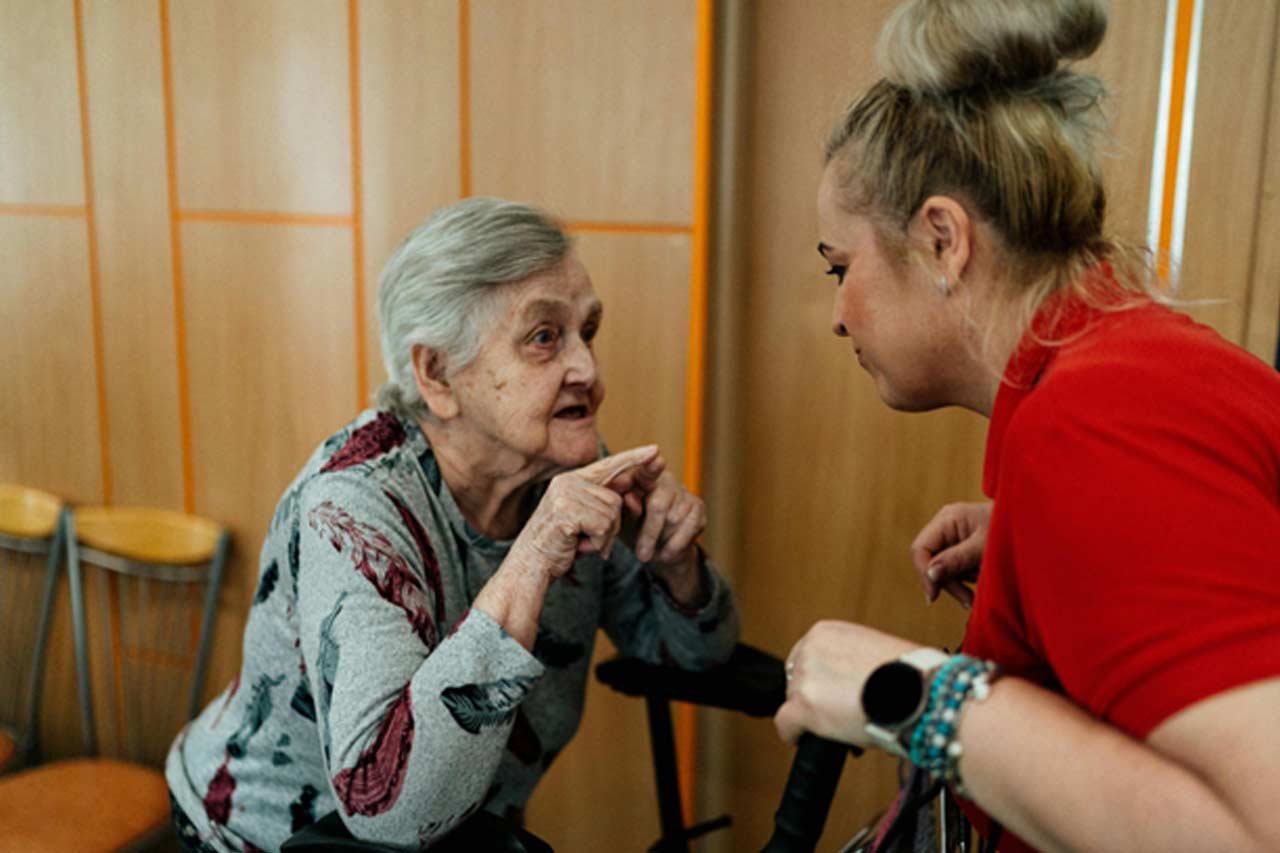
 Some careers ask for speed. Others ask for precision. Aged care and disability support ask for something deeper: presence. The ability to show up day after day for people who rely on consistency, dignity, and trust.
If you’re considering this pathway, you’re not alone. Demand keeps growing, roles keep evolving, and employers look for people who bring the right skills, not just the right intentions. Qualifications matter, yes, but success in this sector comes from a blend of human capability, practical training, and readiness for real-world care.
At the centre of that preparation sits a widely recognised foundation: the Cert 3 in individual support. But the certificate alone isn’t the whole story. Let’s unpack what actually makes someone effective and employable in aged care or disability support.
A Different Format: Skills by Situation (Not by Syllabus)
Instead of listing abstract skills, this guide looks at what carers actually face and the skills that matter most in those moments.
Situation 1: Supporting Daily Living With Dignity
Daily support tasks form the backbone of care work. These include personal care, mobility assistance, meal preparation, and hygiene support.


Skills that matter here:
- Respectful communication
- Awareness of privacy and consent
- Safe manual handling
- Attention to detail
The Cert 3 in individual support builds competence in these areas through structured training and practical placement. Employers rely on this qualification because it confirms a worker understands both safety and dignity.
Situation 2: Communicating When Words Aren’t Enough
Not every person communicates clearly or verbally. Many clients express needs through behaviour, routine, or subtle cues.
Essential skills:
- Active listening
- Emotional intelligence
- Patience and observation
- Ability to follow support plans
These skills often separate good careers from great ones. They reduce frustration, prevent escalation, and build trust.
Situation 3: Responding to Health and Safety Risks
Care environments change quickly. A small issue can become serious without prompt action.
Critical capabilities include:
- Understanding the duty of care
- Recognising signs of distress or decline
- Following the incident and reporting procedures
- Basic infection control
According to the World Health Organization, care workers face an elevated risk of workplace injury without proper training and systems, particularly in manual handling and infection prevention.
This is why employers strongly favour candidates with formal, up-to-date training.
Situation 4: Working as Part of a Care Team
Care rarely happens in isolation. Workers collaborate with nurses, coordinators, therapists, families, and community services.
Team-based skills:
- Clear documentation
- Professional boundaries
- Reliability and time management
- Willingness to take direction and feedback
These skills ensure continuity of care and protect both clients and workers.
Situation 5: Supporting Choice and Independence
Modern care focuses on empowerment, not dependency. Support workers must:
- Respect individual preferences
- Encourage participation, not replacement
- Adapt support to changing needs
This mindset shift defines contemporary aged care and disability support roles and sits at the heart of the Cert 3 framework.
Why the Certificate Still Matters
You can’t learn care work entirely on instinct.
The cert 3 in individual support matters because it:
- Confirms baseline competency
- Aligns training with industry standards
- Includes supervised practical experience
- Signals readiness to employers
According to SkillsIQ, Certificate III qualifications serve as the primary entry point into aged care and disability roles, reflecting employer expectations across the sector.
In short, the certificate opens the door, but skills keep it open.
What Employers Look for Beyond the Certificate
Training prepares you. Attitude sustains you. Employers consistently value:
- Reliability over perfection
- Willingness to learn
- Emotional resilience
- Respect for diversity
“Care work rewards consistency more than charisma.”
That’s why employment support services play a critical role in helping candidates build job readiness, confidence, and realistic expectations before placement.
Job Readiness: The Often-Missed Skill
Many new workers underestimate the transition into care work. The hours, emotional load, and responsibility feel different from other roles. Strong job readiness includes:
- Understanding shift work
- Managing emotional fatigue
- Knowing when to ask for support
- Maintaining professional boundaries
This readiness determines whether someone stays in the role, not just whether they start.
Measuring Success in Care Roles
Success isn’t measured by speed or volume. It’s measured by:
- Client trust
- Consistent attendance
- Skill growth over time
- Professional conduct
Care work is cumulative. Every shift builds capability.
Final Thoughts
Working in aged care or disability support demands more than compassion. It requires skill, preparation, and resilience.
The cert 3 in individual support provides the foundation, but real success comes from combining that qualification with communication, emotional intelligence, teamwork, and job-readiness.
For those willing to invest in both training and growth, this sector offers more than employment. It offers purpose, stability, and the chance to make a tangible difference every single day.