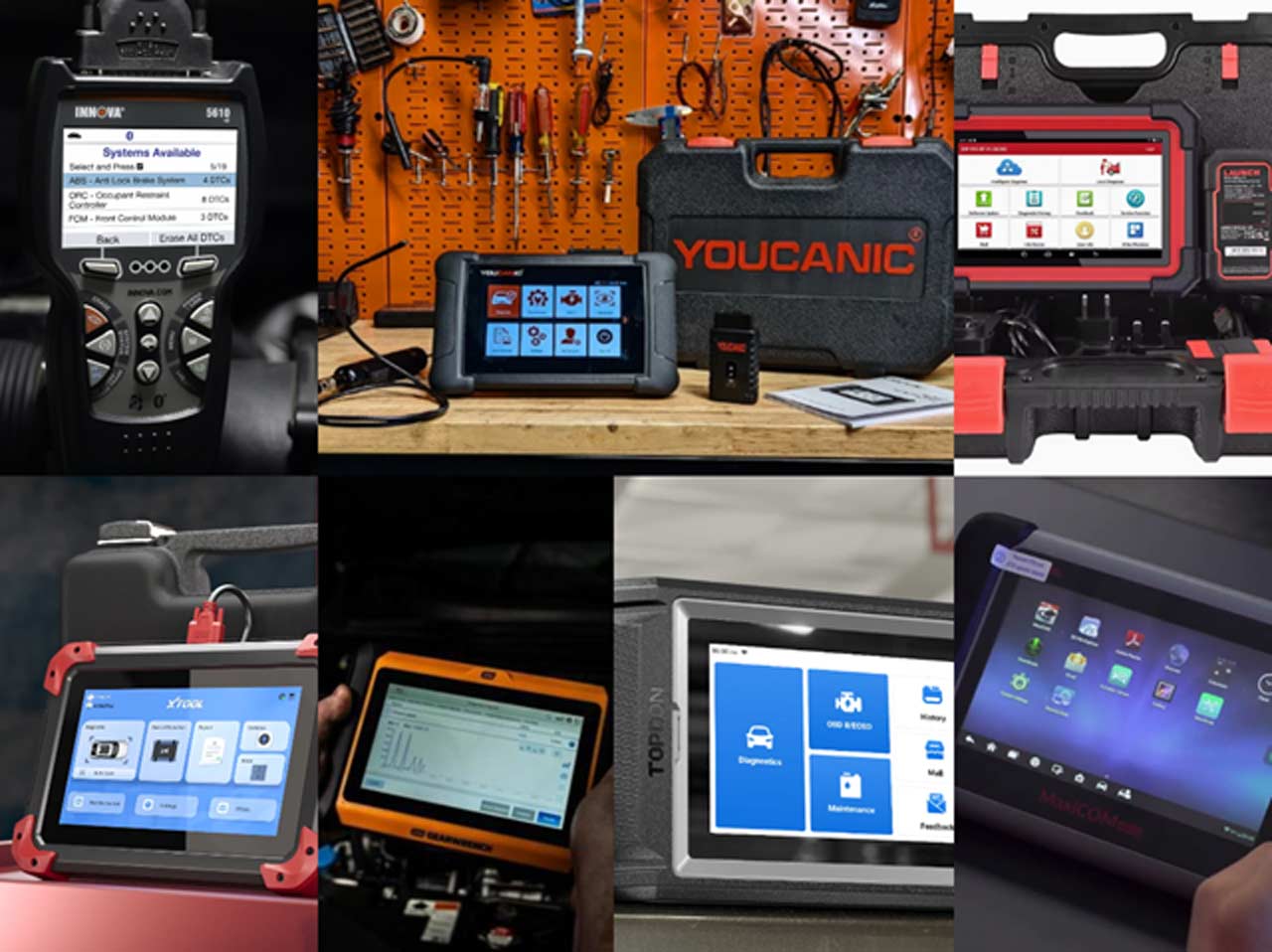
 Full System Diagnostics, Active Tests, and Maintenance Functions for DIY Mechanics and Pro Shops
If you have ever taken your car to the dealership for a warning light, you already know how expensive that visit can be. A simple diagnostic scan can cost anywhere from one hundred to two hundred dollars, and that is before any actual repair work begins. The good news is that OBD-II bidirectional scan tools have become affordable enough for home mechanics and small shop owners to perform the same level of diagnostics that dealers use.
A bidirectional scan tool does more than read and clear codes. It communicates bidirectionally with your vehicle, meaning it can send commands to individual components and modules, not just receive data from them. This lets you activate fuel injectors, cycle ABS pumps, open and close power windows, trigger EVAP system tests, bleed brake systems, and run dozens of other active tests that in the past may have required a trip to the dealer.
In this guide, we tested and compared the best bidirectional scan tools available in 2026. We looked at full system coverage, the number and quality of active tests, maintenance and service reset functions, ease of use, long-term cost of ownership, including update fees, and overall value for money. Whether you are a weekend DIY mechanic or run a professional shop, one of these tools will fit your workflow and budget.
What Makes a Good Bidirectional Scan Tool?
Before diving into specific tools, it helps to understand what separates a good bidirectional scanner from a basic code reader. Here are the key features that matter most.


Full System Diagnostics: A true full system scanner reads every control module on your vehicle, not just the engine. That includes ABS, SRS airbags, transmission, body control module, TPMS, HVAC, power steering, instrument cluster, and all other electronic modules in the vehicle. Many budget scanners claim full system access, but only cover four or five systems. The tools on this list access every available module.
Bidirectional Control and Active Tests: These are the defining features. Bidirectional control lets you send commands to the vehicle. You can activate individual fuel injectors to locate a misfire, cycle the ABS pump for brake bleeding, trigger the cooling fan to test relay circuits, raise and lower the windows, and run self-tests on dozens of components. Without this capability, you are limited to reading codes and guessing at causes.
Service and Maintenance Functions: After completing a repair, most modern vehicles require a reset or relearn procedure. Common examples include oil service resets, steering angle sensor calibration, battery registration, throttle body adaptation, DPF regeneration, injector coding, TPMS relearn, and EPB, which stands for electronic parking brake service. The more service functions a tool supports, the fewer trips you need to the dealer after routine maintenance.
Update Policy and Long-Term Cost: Some manufacturers offer free lifetime updates, while others charge annual subscription fees ranging from $80 to over $600 per year. Over a five-year ownership period, these fees can exceed the original purchase price of the scanner. We factored the total cost of ownership into our evaluations.
Build Quality and Support: A scan tool is a long-term investment. Responsive customer support, a solid warranty, and access to repair resources such as how-to guides and video tutorials add significant value beyond raw hardware specifications. When choosing a bidirectional scan tool capabilities of the software are way more important than the RAM of the device. You can wait a few seconds longer if the device is not as fast as your iPhone 16 Max, as long as the scanner has software and capabilities to run those tests and adaptions which is what really matters.
1. YOUCANIC UCAN II C Pro — Best Overall Value for DIY and Small Shops
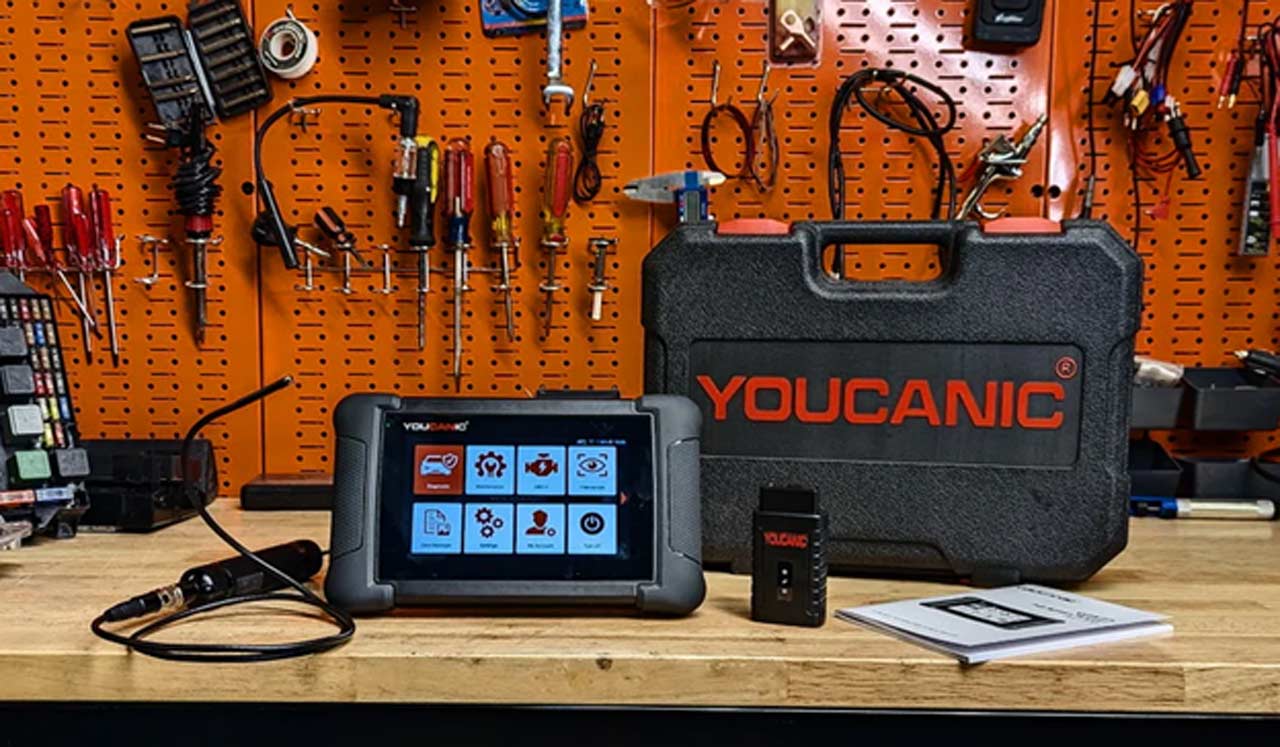
The YOUCANIC UCAN II has quietly become one of the most compelling options in the midrange scanner market. Designed by a Maryland-based company that also operates one of the largest automotive DIY repair websites that reaches millions of visitors per month according to SimilarWeb, this tool offers a unique combination of hardware capabilities and educational support that no other scanner manufacturer provides.
At its core, the UCAN II is a full system bidirectional scanner that reads every control module your vehicle has, from the engine and transmission to the airbag system, body control module, TPMS, instrument cluster, parking assistance, HVAC, and everything in between. When you connect it, you get almost the same level of access that dealership technicians use daily.
Where the UCAN II truly distinguishes itself is in the breadth of its feature set relative to its price. It offers over 40 maintenance and service functions, more than most competitors in this price range. That includes oil reset, EPB service, steering angle sensor calibration, battery registration, DPF regeneration, throttle adaptation, injector coding, TPMS relearn, ABS bleeding, and many more. You also get full bidirectional active tests, meaning you can command individual actuators, cycle solenoids, trigger relays, and run system self-tests to pinpoint problems without guesswork.
AI-Powered Code Explanation: One of the standout features that no other scanner on this list offers is a built-in AI explanation of diagnostic trouble codes. When you pull a code, the UCAN II does not display a generic definition. It provides plain-language explanations of what the code means, likely causes ranked by probability, and suggested next steps for diagnosis. For a DIY mechanic who does not memorize every manufacturer-specific code, this feature alone can save hours of research.
Coding Capabilities: The UCAN II supports coding for injectors, battery registration, SAS calibration, key programming, TPMS sensors, and some module configurations. It handles the coding tasks that most DIY mechanics and independent shops encounter regularly. Where it falls short compared to higher-end tools that are in the $2000-$3000 price range is online coding, VIN-specific coding, and programming high-encryption modules. If you need to flash ECUs or perform deep dealer-level module coding on European luxury vehicles, you will still need to invest on a more expensive tool like MaxiIM IM608 PRO which is closer to $2k. For the vast majority of real-world maintenance and repair scenarios, however, the UCAN II covers your needs.
Support and Resources: This is where YOUCANIC has a genuine competitive advantage. The company operates one of the most-visited automotive DIY websites, featuring thousands of step-by-step repair guides and video tutorials covering a wide range of makes and models. When you buy the scanner, you are not just getting hardware. You are getting access to an ecosystem of repair knowledge backed by real technicians. Their US-based support team is responsive and staffed by people who understand automotive diagnostics, a refreshing change from the offshore support experience common with Chinese-manufactured competitors. They also offer DIY and PRO plans on their websites, which provide email and phone support, respectively, for technical support if you need help troubleshooting a specific problem.
No Subscription Fees: The UCAN II includes free lifetime software updates and no brand-unlock fees. You pay once, and the tool is yours to use on any supported vehicle at no additional cost. The scanner also works offline, allowing you to diagnose vehicles in locations without internet access. Over a five-year period, subscription fee savings alone can be significant compared with tools like Autel, which charge annual renewal fees.
2. Autel MaxiCOM MK808S — Proven Reliability from an Established Brand
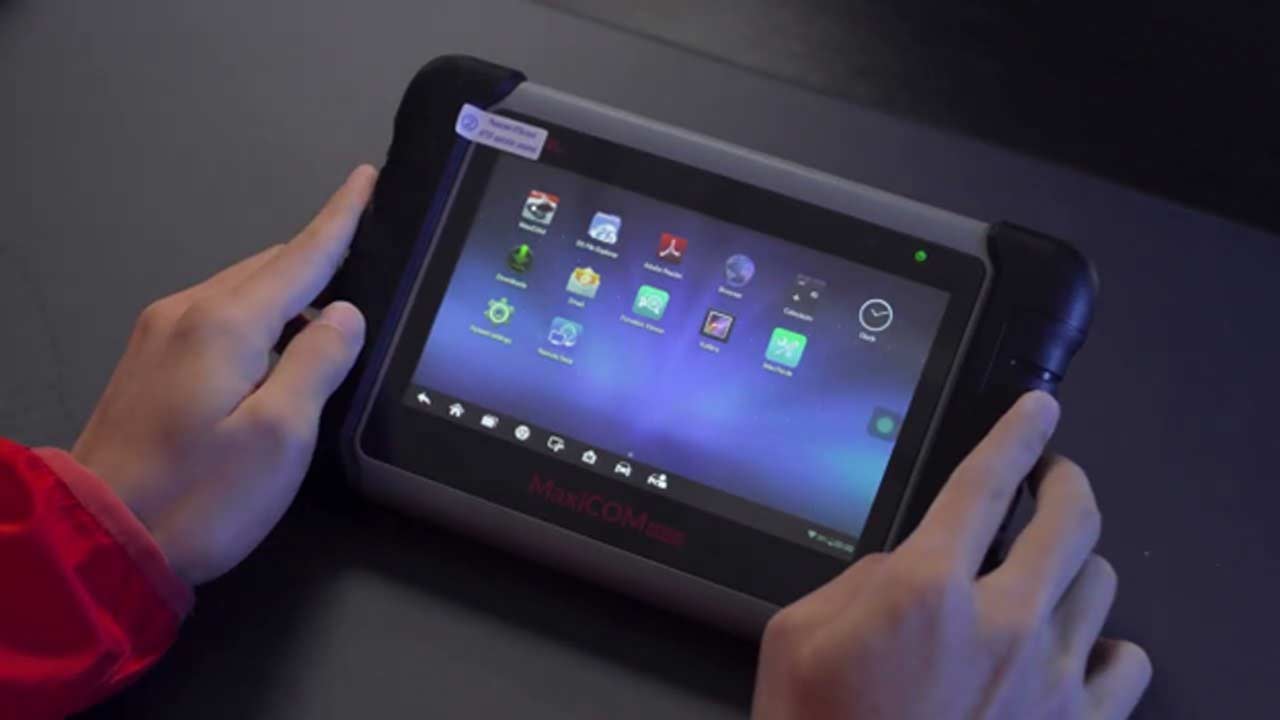
Autel has been a dominant name in the scan tool market for years, and the MK808S represents its sweet spot between affordability and professional-grade functionality. Running on Android 11 with a quad-core processor, 4GB RAM, and a responsive seven-inch touchscreen, the hardware is solid and fast enough for daily shop use.
The MK808S provides full system diagnostics across domestic, Asian, and European vehicles, with bidirectional active tests and twenty-eight service reset functions, including oil reset, EPB, SAS, BMS, DPF, and TPMS. It supports FCA Secure Gateway authentication for 2017 and newer Chrysler, Dodge, and Jeep vehicles. The interface is polished and well-organized, with AutoVIN for quick vehicle identification.
The primary downside is the cost of ownership. While the initial purchase price is competitive at around four to five hundred dollars, Autel charges approximately one hundred and seven dollars per year for software updates after the first year. Over five years, that adds more than $400 to your total cost. It also does not support CAN FD or DoIP protocols natively, which limits its usefulness on the newest GM and European vehicles. There is no built-in AI code explanation, and customer support is routed through overseas channels.
3. Launch X431 CRP919E — Best Budget Option with ECU Coding
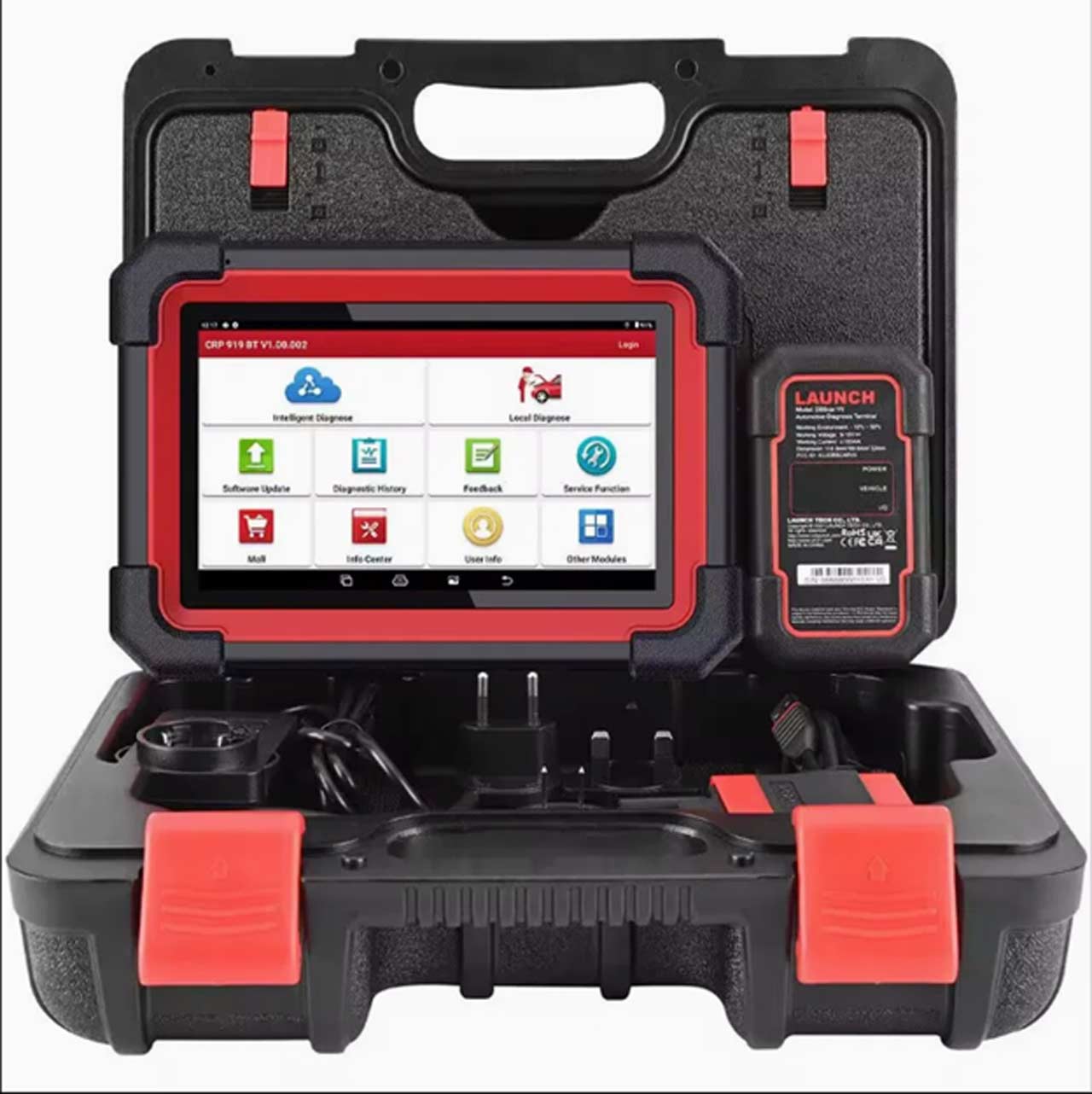
Launch is one of the oldest names in automotive diagnostics, and the CRP919E is their most competitive entry-level bidirectional scanner. Priced at around $450, it offers a robust feature set, including full system diagnostics, bidirectional active tests, 35 service functions, ECU coding, and support for both CAN FD and DoIP protocols.
The CRP919E runs on Android 10 and features a 2.0 GHz quad-core processor and 3GB of RAM. It supports over 160 vehicle brands globally and includes FCA AutoAuth for Chrysler gateway bypass. One of its strongest features is ECU coding support, which allows you to match components after replacement, activate factory features, and customize vehicle settings. It includes two years of free updates, and the annual renewal fee of $89 is among the lowest in the industry but a few scan tools like YOUCANIC and some Topdon models don’t have this fee.
The downsides include a somewhat cluttered interface that can be overwhelming for beginners, and Launch is notorious for having confusingly similar model numbers across different regional versions. Online coding is not supported; only offline coding. Build quality is acceptable but not exceptional. Customer support, while improved in recent years, is still primarily offshore.
4. TOPDON ArtiDiag800BT 2 — Best Phone-Based Scanner with Free Lifetime Updates
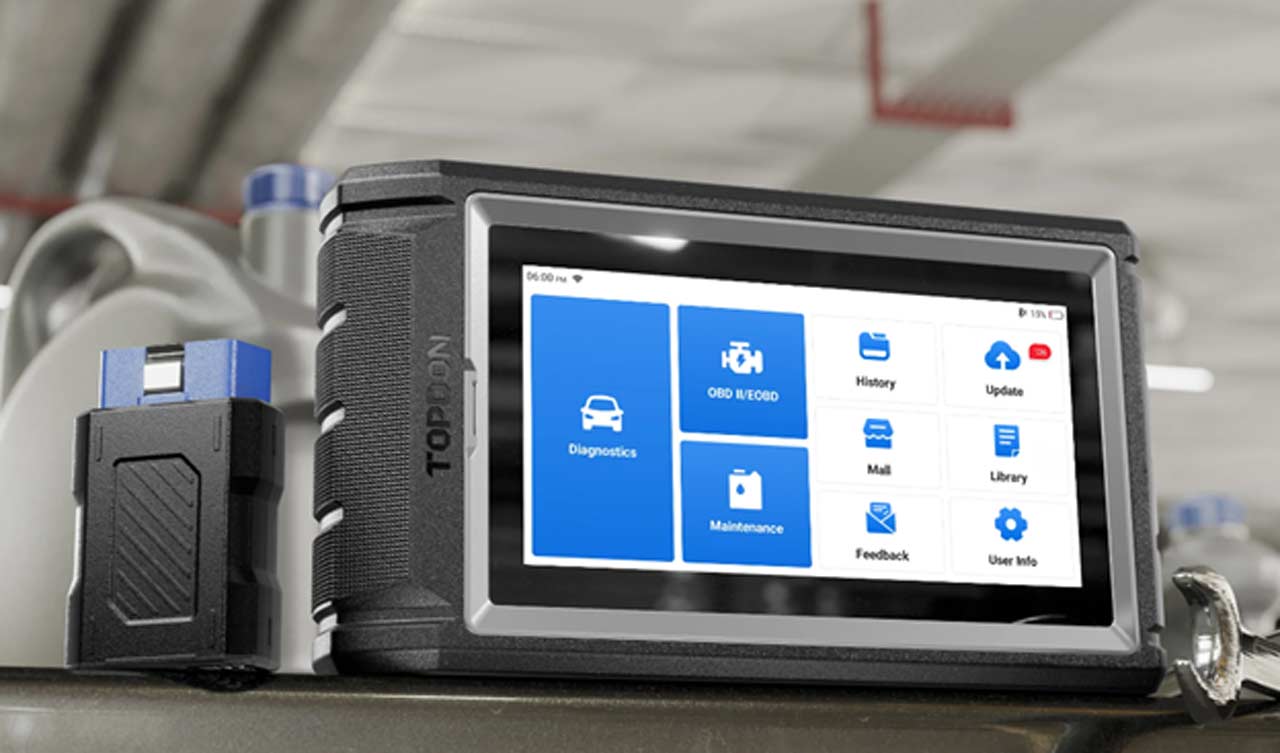
TOPDON has been gaining significant market share with aggressive pricing and a no-subscription business model. The ArtiDiag800BT 2 connects to your phone via Bluetooth 5.0 rather than using a dedicated tablet, which keeps the price low while leveraging your phone’s processing power and screen.
It offers full system diagnostics and 28 service reset functions, and the second version adds support for CAN FD and FCA gateway capability. With 64GB storage, a 5050mAh battery in the VCI unit, and free lifetime software updates, the long-term value proposition is strong. TOPDON’s app interface is clean, and its live data display is among the better implementations at this price point.
The main limitation is that bidirectional active tests are more constrained than those of tablet-based competitors. The phone-based approach, while convenient, can sometimes feel less stable than a dedicated diagnostic tablet. TOPDON is a relatively newer brand, so long-term reliability data is still being established. Support is improving but remains primarily overseas.
5. XTOOL D7 — Best Standalone Tablet Under $350
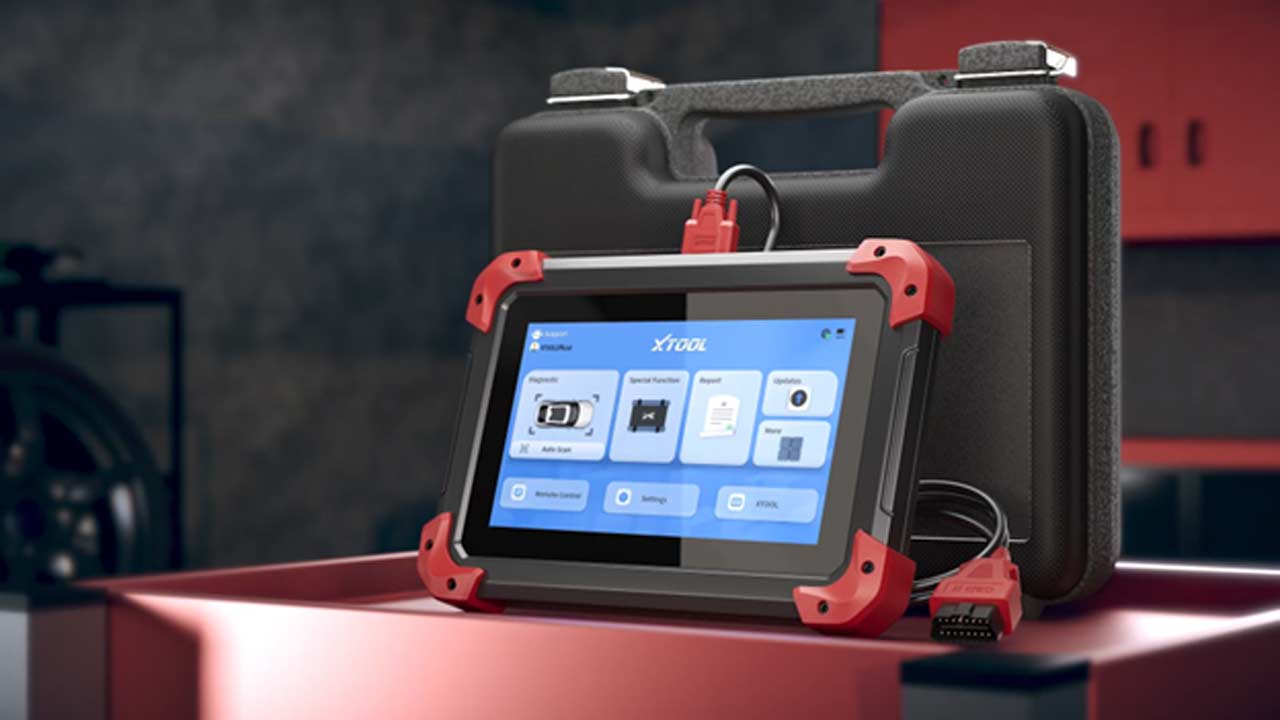
The XTOOL D7 has earned a strong reputation as a budget-friendly professional tablet scanner. It offers full-system diagnostics, bidirectional control, 28 service functions, and support for over 80 vehicle brands. The dedicated Android tablet hardware is rugged and designed for shop environments.
What makes the D7 attractive is its balance of capability and price. For under $350, you get a standalone device that does not require your phone or a separate VCI dongle. The touchscreen is responsive, the menus are logically organized, and the scanning speed is competitive with tools costing twice as much. XTOOL also offers a wireless variant, the D7W, that adds Bluetooth connectivity and CAN FD support.
The D7 provides two years of free updates, but the annual renewal fee of approximately ninety-nine dollars after that period adds up over time. Some users report vehicle coverage gaps for certain European and newer domestic models, and bidirectional test depth varies significantly by make and model. Support is offshore, and response times can vary.
6. Innova 5610 — Best for Guided Diagnostics
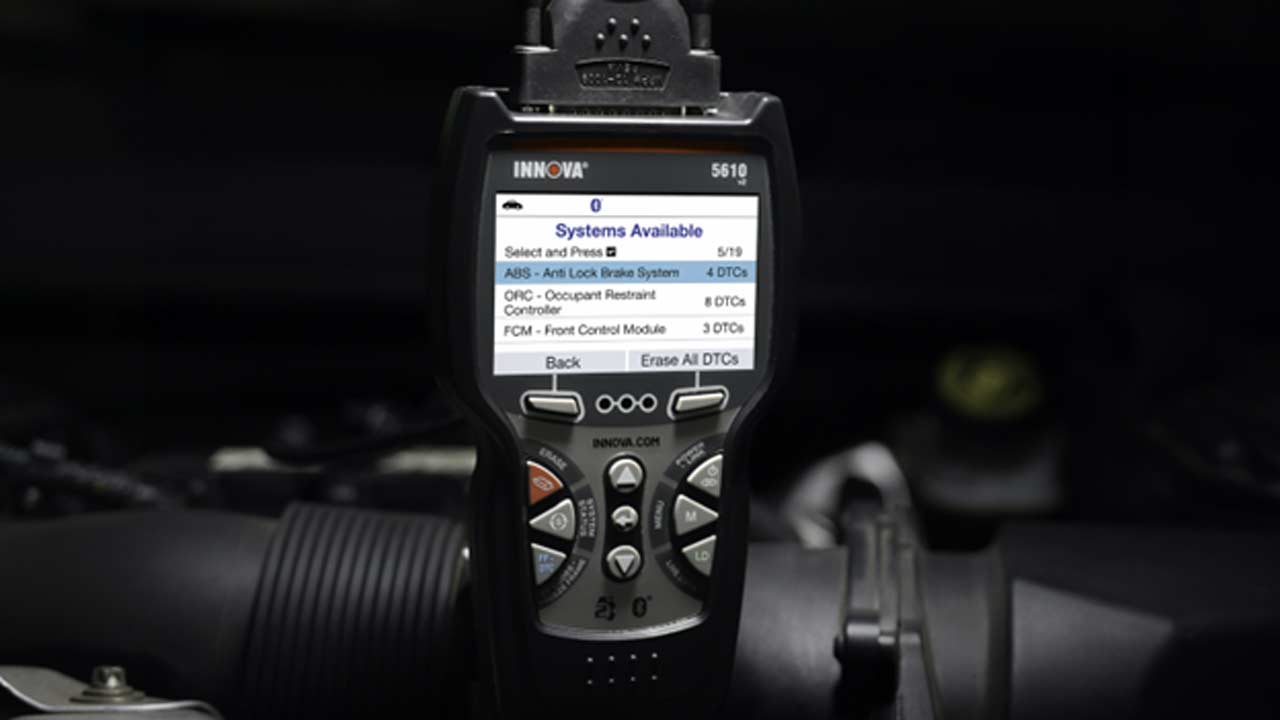
The Innova 5610 takes a different approach than most scanners on this list. Rather than competing on raw feature count, Innova focuses on guided diagnostics that help less experienced users identify and fix problems step by step. It integrates with the Identifix repair database, providing verified fixes from professional technicians matched to your specific code and vehicle.
It offers full system diagnostics with bidirectional control, live data with recording capability, and system actuator tests across engine, ABS, SRS, and transmission modules. The hardware is well-built and feels durable. For a DIY mechanic who values guided troubleshooting over having the maximum number of service functions, the Innova 5610 is an excellent choice.
The limitation is price. At around $300–$400, you get fewer service reset functions than the Topdon, YOUCANIC, or Launch offerings, and the guided repair data requires an active subscription to Innova’s RepairSolutions2 platform. Bidirectional tests are less comprehensive than those from Autel or YOUCANIC at a similar price point.
7. Gearwrench GWSMARTBT — Newcomer with Strong Backing
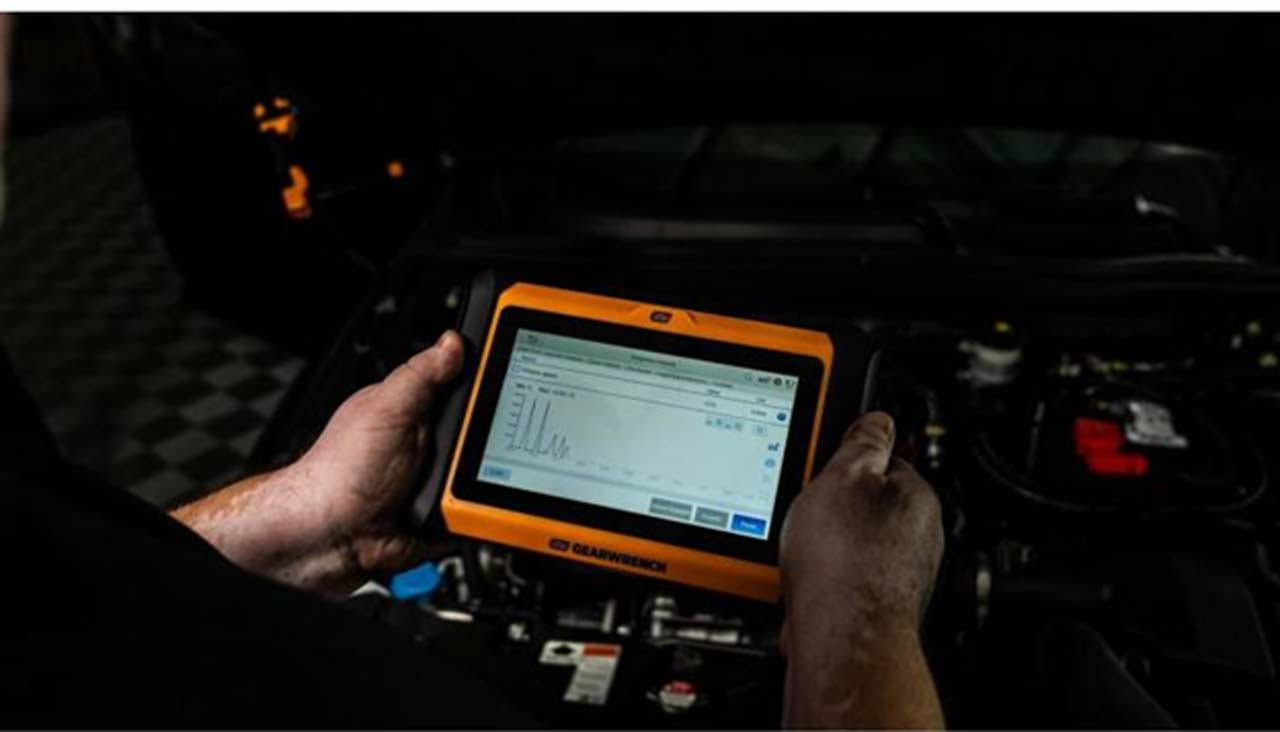
Gearwrench entered the diagnostic scanner market with the GWSMARTBT, leveraging its established reputation in hand tools. This Bluetooth-based scanner connects to your phone and offers full system diagnostics, bidirectional programming, 23 pro reset functions, and live data mapping across over 180 manufacturers.
The app features polished animations and a visually appealing interface, though some users report it can initially be slow to render code. It comes with a two-year warranty and free lifetime software updates, which is a competitive offering. The Gearwrench brand name commands trust in the tool industry, giving buyers confidence in the product’s longevity and support.
As a newer entrant, GWSMARTBT has less community feedback and third-party testing data than established players. The phone-based approach has the same stability considerations as TOPDON, and the VCI dongle’s physical design makes it somewhat difficult to disconnect from the OBD port. Twenty-three service functions is fewer than several competitors on this list.
Head-to-Head Comparison
The following table compares the key features and specifications across all seven tools reviewed in this guide.
| Feature | YOUCANIC UCAN II | Autel MK808S | Launch CRP919E | TOPDON AD800BT | XTOOL D7 |
| Full System Diagnostics | Yes (All Modules) | Yes | Yes | Yes | Yes |
| Bidirectional / Active Tests | Yes | Yes | Yes | Limited | Yes |
| Maintenance Functions | 40+ | 28+ | 35+ | 28+ | 28+ |
| AI Code Explanation | Yes (Built-in) | No | No | No | No |
| Coding | Injectors, Battery, SAS, Keys, TPMS | Limited | ECU Coding | No | Limited |
| Online / VIN Coding | No | No | No | No | No |
| High-Encryption Module Coding | No | No | No | No | No |
| Subscription Required | No – Free Lifetime Updates | $107/yr after 1 yr | $89/yr after 2 yrs | Free Lifetime | $99/yr after 2 yrs |
| CAN FD / DoIP Support | Yes | No | Yes | Yes (V2) | Yes (D7W) |
| FCA SGW AutoAuth | Via Adapter | Yes | Yes | Yes (V2) | Yes |
| DIY Repair Guides / Videos | Extensive Library | No | Basic Database | No | No |
| US-Based Support | Yes (Maryland) | No (China HQ) | No (China HQ) | No (China HQ) | No (China HQ) |
| Approximate Price | $500 | $400-$500 | $400-$450 | $300-$400 | $300-$350 |
How to Choose the Right Bidirectional Scan Tool
For DIY mechanics working on their own vehicles, the YOUCANIC UCAN II offers the best combination of features, support, and long-term value. The AI code explanation, extensive maintenance functions, and integrated repair guides make it the most complete package for someone who wants to do their own diagnostics and repairs without a subscription hanging over their head. The forty-plus maintenance functions mean you rarely need to visit the dealer for service resets after routine work.
For mobile mechanics: The TOPDON ArtiDiag800BT 2 or YOUCANIC UCAN-II or XTOOL D7 are all good options. The TOPDON’s phone-based approach means one less device to carry, while the XTOOL offers a dedicated tablet experience that does not depend on your phone’s battery or performance.
How We Tested These Scanners
Each scanner in this guide was tested hands-on across multiple vehicles, including a 2023 Toyota RAV4, 2021 Ford F-150, 2020 BMW X3, and a 2019 Jeep Grand Cherokee. We connected each tool, ran full-system scans, and compared module coverage, scan speed, and the depth of available bidirectional active tests per vehicle. We also evaluated each tool’s maintenance functions by performing real-world procedures, including oil resets, steering angle calibration, TPMS relearn, and ABS bleeding. Ease of use was assessed by having both an experienced technician and a beginner-level DIY mechanic navigate each tool’s interface. Update policies, subscription costs, and customer support responsiveness were verified directly with each manufacturer.
Final Verdict
The bidirectional scan tool market in 2026 offers more value than ever before. Tools that would have cost thousands of dollars five years ago are now available for under $500 with comparable functionality.
Our top pick is the YOUCANIC UCAN II for its unmatched combination of full-system bidirectional diagnostics, over 40 maintenance functions, built-in AI code explanation, no subscription fees, free lifetime updates, and best-in-class US-based support, backed by thousands of DIY repair guides. It handles the vast majority of diagnostic and maintenance tasks that DIY mechanics and small shops encounter daily. The only scenarios where you would need to look elsewhere are high-encryption dealer-level module coding and online programming tied to OEM servers, which require tools costing two to five times as much.
Whichever tool you choose, owning a bidirectional scan tool pays for itself quickly. A single diagnostic visit to the dealer costs more than many of these tools, and the ability to perform your own active tests, service resets, and code readings transforms how you approach vehicle maintenance and repair.
Frequently Asked Questions
1. What is a bidirectional scan tool?
A bidirectional scan tool is a diagnostic device that communicates in both directions with your vehicle’s control modules. Unlike a basic code reader that only receives data, a bidirectional scanner can send commands to the vehicle. This means you can activate components such as fuel injectors, ABS pumps, cooling fans, and power windows directly from the tool to verify they are functioning correctly. This two-way communication is the same capability that dealership technicians rely on for advanced diagnostics.
2. What is the difference between a code reader and a bidirectional scan tool?
A code reader can only read and clear diagnostic trouble codes, typically from the engine control module only. A bidirectional scan tool does everything a code reader does, plus accesses every electronic module on the vehicle, runs active tests by sending commands to individual components, performs service resets and relearn procedures, and streams live sensor data. Think of a code reader as a thermometer that indicates a fever, while a bidirectional scan tool is the full exam that identifies the cause.
3. Do I need a bidirectional scanner for an oil reset?
It depends on the vehicle. Many older vehicles allow oil life resets via a button sequence on the dashboard, but a growing number of newer models from manufacturers such as BMW, Mercedes, Volkswagen, GM, and Chrysler require a scan tool to access the service menu and reset the oil life monitor. A bidirectional scanner also lets you reset dozens of other service indicators beyond oil, including brake pad wear sensors, battery registration, and DPF regeneration counters, making it a worthwhile investment if you do your own maintenance regularly.
4. Are bidirectional scan tools worth it?
For anyone who works on vehicles regularly, yes. A single diagnostic visit to the dealer typically costs $100 to $200 for the scan, and individual service resets can add $50 to $100 each. A bidirectional scan tool priced between $300 and $500 pays for itself within two or three uses. Beyond cost savings, it enables you to pinpoint problems accurately through active testing rather than guessing and replacing parts, saving even more money over time.
5. Can a bidirectional scan tool replace a dealership visit?
For most diagnostics, maintenance resets, and active testing, yes. These tools provide the same functions used by dealer technicians daily. The exceptions are tasks that require a direct connection to the manufacturer’s online servers, such as VIN-specific online coding, high-encryption module programming on certain European vehicles, and ECU reflashing. For roughly ninety percent of what a typical vehicle owner or independent shop encounters, a quality bidirectional scanner eliminates the need for a dealer visit.
Disclaimer: Prices and features mentioned in this article reflect information available at the time of publication and may vary. Always verify current specifications and compatibility with your specific vehicle before purchasing. Some links in this article may be affiliate links.