Green Fuels and the Solar Revolution: How Indian Manufacturers Are Building a Cleaner Future

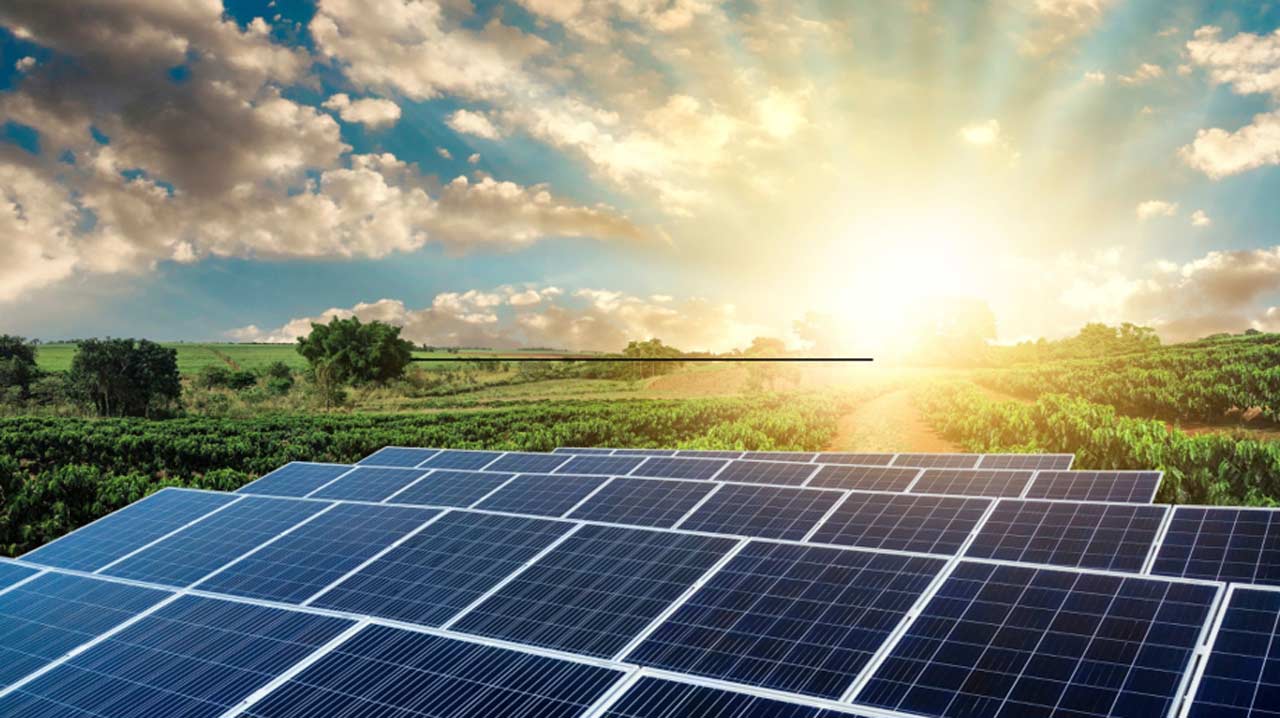
India stands at a crucial moment in its journey toward sustainable energy, moving rapidly from fossil-fuel dependency to a diversified, low-carbon future. The nation’s impressive growth in renewable energy positions it as a global leader, driven by the adoption of innovative green fuels and accelerated by a solar revolution that is shaping industrial and consumer landscapes alike. Behind this transformation are Indian manufacturers who power not only the equipment that harvests the sun but also the systems building a future-proof, energy-independent economy.
Understanding Green Fuels and Their Importance
Green fuels encompass a range of renewable energy carriers such as green hydrogen, biofuels, and synthetic fuels that are produced with minimal carbon emissions. Unlike conventional fossil fuels, which release large amounts of CO₂ and other contaminants, green fuels are derived from clean, renewable sources and advanced chemical pathways. Hydrogen produced from solar-powered electrolysis and biofuels generated from agricultural waste are leading examples. These fuels are not just alternatives; they are vital tools for achieving net-zero targets and decarbonizing hard to abate sectors like transportation, industries like steel and cement, and power generation.
India’s focus on green fuels reflects its commitment to reducing emissions and meeting Nationally Determined Contributions (NDCs) under international climate agreements. Recent policy discussions emphasize the need to accelerate the transition, investing in advanced production technologies and supply chains to ensure reliable, cost-competitive clean energy for end users.
The Role of Solar Energy in Producing Green Fuels
Solar power is central to India’s green fuel strategy, providing abundant renewable electricity for hydrogen production and fueling biofuel processing plants. Advanced solar-powered electrolysis units, which split water into hydrogen and oxygen, enable large-scale green hydrogen production without carbon emissions. Biofuel facilities increasingly rely on solar and wind energy for operational needs, maximizing decarbonization across the value chain.


In states like Odisha, major investments are underway to build integrated green ammonia and hydrogen plants, leveraging local solar resources and advancing India’s net-zero transformation. These solar-integrated projects showcase the synergy between renewable electricity and clean fuel pathways, reducing both Scope 2 and Scope 3 emissions for industrial clients.
The Rise of Indian Manufacturers in the Solar Revolution
Domestic manufacturers are at the core of India’s solar revolution. Companies produce high-efficiency solar panels, inverters, and energy storage systems that are crucial for fueling clean energy innovations. Only select renewable energy companies offer advanced, fully integrated manufacturing, encompassing everything from ingots and wafers to modules and ancillaries like solar glass, junction boxes, encapsulants and frames at large campuses. This integrated approach assures quality, cost savings, and supply chain reliability, marking a shift away from dependencies on international suppliers.
India’s manufacturing sector has expanded sharply under “Make in India” initiatives, with new facilities being launched nationwide. Technology advancements, such as proven n-type TopCon (G12) solar modules, are being rapidly scaled by renewable energy companies like Avaada. These investments make the country future-ready, offering round-the-clock, reliable power and supporting domestic and industrial consumers alike.
Battery Storage for Solar Power: The Key to Energy Stability
Battery storage for solar power is essential to ensure an uninterrupted energy supply, stabilize grids, and support the production of green fuels around the clock. Advanced storage solutions, such as lithium-ion, sodium-ion, and hybrid technologies, enable solar plants to deliver firm and reliable power during non-sunny hours and bridge the gap between intermittent generation and steady demand.
Indian manufacturers are rapidly investing in gigawatt-scale battery energy storage systems (BESS) projects and pumped hydro storage facilities. These projects guarantee quality, financial stability, and cost competitiveness, and support the seamless operation of green hydrogen and biofuel facilities, removing barriers to large-scale adoption.
Integration of Solar, Storage, and Green Fuels
Modern energy systems increasingly rely on integrating solar generation, battery storage, and green fuel production to maximize efficiency and resilience. Hybrid projects, combining large solar arrays with advanced storage and electrolysis units, are designed to meet industrial and grid-scale demands while minimizing carbon footprints.
Real-world demonstrations include rooftop solar plants with connected battery banks, utility-scale hydrogen plants powered by solar farms, and biofuel units equipped with energy storage for stable operations. Such integrated systems enable reliable, cost-effective, and sustainable energy delivery across major states such as Gujarat, Maharashtra, Tamil Nadu, and Rajasthan, the core hubs of India’s renewable energy sector.
Government Policies and Industry Initiatives
India’s National Green Hydrogen Mission, launched with an initial outlay of ₹19,744 crore (approximately $2.4 billion USD) plans to escalate green hydrogen and ammonia production, with supportive regulations and incentives for domestic manufacturing and energy storage infrastructure. Policies such as the Production-Linked Incentive (PLI) scheme have accelerated BESS investments and fostered clean manufacturing of solar modules, ingots, and key components.
States are rolling out subsidies for rooftop solar installations and mandating Domestic Content Requirements (DCR) for new solar projects to encourage local value addition. Strategic partnerships between government and renewable energy companies help mobilize global capital and technical expertise, further reinforcing India’s ambitions to achieve over 500 GW of non-fossil capacity by 2030.
Must Read:- Things You Should Know About Solar Energy in India
Challenges Facing India’s Green Energy Ecosystem
Despite record growth, critical challenges remain. High initial investments in green fuel and energy storage projects persist, as emerging technologies often require significant capital and innovative financing frameworks. Technological barriers, particularly in battery chemistry, scaling electrolyzer capacity, and securing upstream raw materials, demand ongoing R&D and industry-government collaboration.
Supply chain constraints, overcapacity, and margin pressures are also noted, as domestic manufacturers compete to meet surging demand while balancing cost leadership and reliability. Nevertheless, proactive policies and concerted industry action continue to address these hurdles, aiming to lower adoption barriers and strengthen India’s competitive edge.
The Future of Green Fuels and Solar Manufacturing in India
India’s clean energy landscape is evolving rapidly. Solar-to-fuel conversion systems, next-generation battery storage, and large-scale clean fuel complexes signal the country’s emergence as a global leader. Predictions suggest that continued innovation will enable Indian renewable energy companies to capture substantial market share, both domestically and for export.
Integrated manufacturing, robust supply chains, and strategic partnerships with global investors underpin competitive pricing, financial stability, and secure job creation. Future-ready, low-carbon energy solutions promise tangible benefits for customers, industries, and communities nationwide.
Toward a Cleaner, Self-Reliant Energy Economy
India’s transition to green fuels and the solar revolution is redefining what is possible for a sustainable future, built on reliability, emissions reduction, and technological innovation. Battery storage for solar power remains the linchpin of stability, enhancing grid reliability and unlocking round-the-clock renewable energy. As integration deepens and innovation accelerates, renewable energy companies like Avaada and their peers are nurturing a brighter, greener economy, aligning industry development with global climate goals and ensuring India’s continued progress toward energy independence.