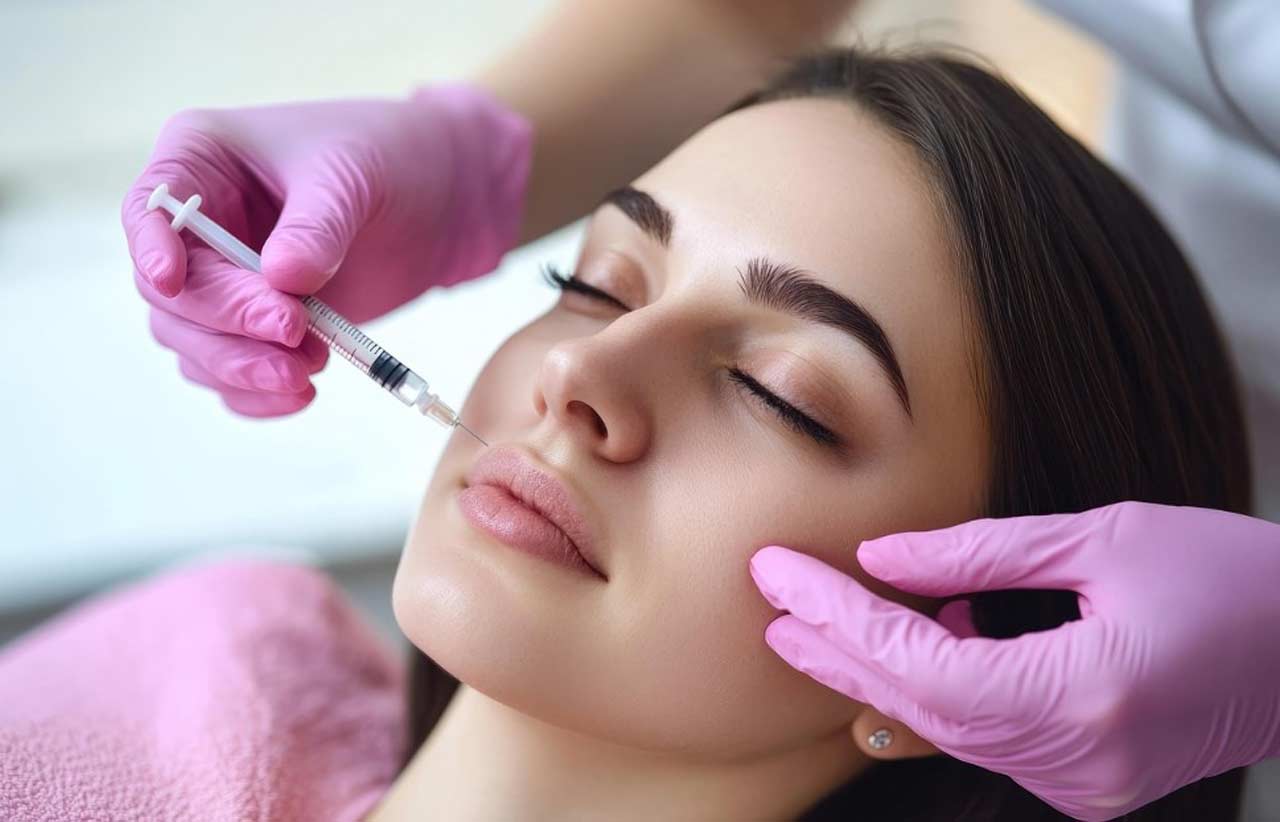
 Lately, the world has been obsessed with sun-kissed radiance. This led to the emergence of quick, innovative fixes to get the golden shine: tanning injections.
This product is often marketed, mostly online, as a shortcut to achieving higher melanin production in the body, which would result in a deep and lasting tan, without actual UV exposure. Despite the appeal, using these unregulated products has unknown consequences.
The core ingredient in these products is mostly synthetic hormones or Melanotan. When administered without a proper prescription, it can cause different kinds of side effects, including nausea, stomach cramps, flushing, decreased appetite, and even an elevated risk of skin cancer due to unnatural stimulation of pigmentation.
With tanning injections gaining traction across social media platforms, medical experts and official regulatory bodies, like Healthline and WebMD, are strongly advising against them. They lack FDA approval and may cause some long-term health risks. Fortunately, safer alternatives are available to achieve a similar year-round glow without compromising your health.
The risks of tanning injections – Why it’s better to skip
How do you think tanning injections work? How does it react after being injected into the body? While the product claims to produce lasting tanning results, it does more harm than good.


Upon entering the body, this synthetic hormone mimics the body’s natural process, triggering increased release of melanin. And, since this naturally occurring process is accelerated, they are both dangerous and ineffective. Documented cases from many users underscore experiencing immediate side effects, like yawning, tiredness, and gastrointestinal distress, while long-term issues due to unregulated dosing lead to darkening of moles, freckles, or melanoma risks.
Unlike approved cosmetics or prescribed drugs, these injections are not only illegal or unregulated but also bypass safety testing, potentially introducing contaminants or imbalances in the body’s natural processes. Therefore, this promise of sunless solutions is better skipped. For a safer choice, many dermatologist-approved products and solutions strictly avoid UV damage and injection-related complications.
Alternative 1: Sunless tanning lotions
Sunless tanning lotions have become a staple in households like any other essential product. These tanning lotions are made using a substance termed dihydroxyacetone (DHA), a sugar-derived ingredient that reacts with dead skin cells to create a temporary bronze color. Plus point is that this sunless alternative is FDA-approved and widely available.
Pros:
- Affordable, accessible, and convenient for daily use at home.
- No UV risks, reducing chances of premature aging or cancer.
- As lotions, they have hydrating formulas with added skincare benefits similar to normal moisturizers.
- Better control over the application, as you can build up the shade for a more natural look.
Cons:
- Repeated application can lead to visible streaks if the body is not exfoliated properly beforehand.
- The fade is often uneven (typically 3-7 days), and you may have a temporary cookie-like odor from DHA.
- If your skin is sensitive, you may experience allergic reactions, although rare.
Overall, sunless tanning lotions are best used for low-commitment routines. Many studies also validated them as non-carcinogenic and safe compared to UV tanning.
Alternative 2: Professional spray tans
Professional spray tans are popular for a reason. They offer a flawless, streak-free finish, as it involves an airbrush or booth application of DHA mist by a trained technician. You get a uniform tan that develops evenly over 4-8 hours, akin to a natural vacation glow. High-end salons also offer customized solutions, often incorporating bronzers to suit different skin tones.
Pros:
- Expert and versatile application delivers even coverage, hiding imperfections like cellulite.
- Lasts longer (7-10 days) with proper aftercare.
- Quick tanning sessions (10-15 minutes).
- Safer than sunbathing as it avoids UV exposure entirely.
Cons:
- Usually expensive ($30-$100 per session) compared to DIY options.
- Risk of accidental Inhalation if protective gear isn’t used because DHA can irritate lungs or eyes.
- Mandatory pre- and post-care (like exfoliation, no showers for hours).
While not entirely risk-free, this alternative is safer and healthier than tanning injections.
Alternative 3: Self-tanning mousses
Mousses, or foams, are basically whipped formulations of DHA that blend seamlessly for a modern tan. They come in quick-drying textures for active lifestyles, developing color overnight.
Pros:
- Absorbs rapidly without leaving any greasiness.
- Delivers a deep, streak-resistant color that lasts 5-10 days.
- Most brands often infuse them with skin-nourishing ingredients, like aloe for hydration.
- Safer and quicker than UV methods, and also dermatologist-approved.
Cons:
- You will need a tanning mitt for even application; otherwise, it will stain your hands.
- Costlier than basic lotions.
- The initial outcome may appear darker for fair tones, needing guide colors.
- May transfer onto fabrics if not fully dry.
Market studies show mousses with excellent user reviews, delivering the most natural results.
Alternative 4: Tanning-accelerating supplements
Tanning-accelerating supplements must be administered with caution, as they contain amino acids like tyrosine or antioxidants such as beta-carotene. These substances claim to enhance melanin production for faster natural tanning. Yet, unlike topical sunless options, these oral products are still debatable for use.
Pros:
- Improve UV-induced tans, potentially reducing exposure time.
- Some ingredients offer general skin health benefits, like antioxidant protection.
- Non-invasive and easy to use.
Cons:
- Not FDA-approved, as it has the potential to cause liver damage, vision issues (e.g., retinopathy), and hives.
- Even minimal exposure to the sun or UV increases cancer risks; not entirely sunless.
- Many users reported it to be ineffective.
Given these drawbacks, these tanning supplements aren’t the best choice either.
Takeaway: Achieve your glow safely
By ditching tanning injections for sunless alternatives, those listed here, you adopt healthier solutions to achieve golden and radiant skin without the dangers. However, always do patch tests, exfoliation, and SPF daily to maintain the results. It is even better if you consult a dermatologist for personalized suggestions.
Remember: true beauty glows from within, not from needles or rays. Aesthetic beauty is not worth falling into danger.