 “You there? Nothing’s coming through.”
Silence. Then static. Then—nothing.
That’s how most backcountry expeditions, road crews, and traveling logistics teams don’t want their comms to go.
And yet, it happens all the time when folks rely on cell phones, sketchy signal zones, or old-school radios that cut out the second a hill gets in the way.
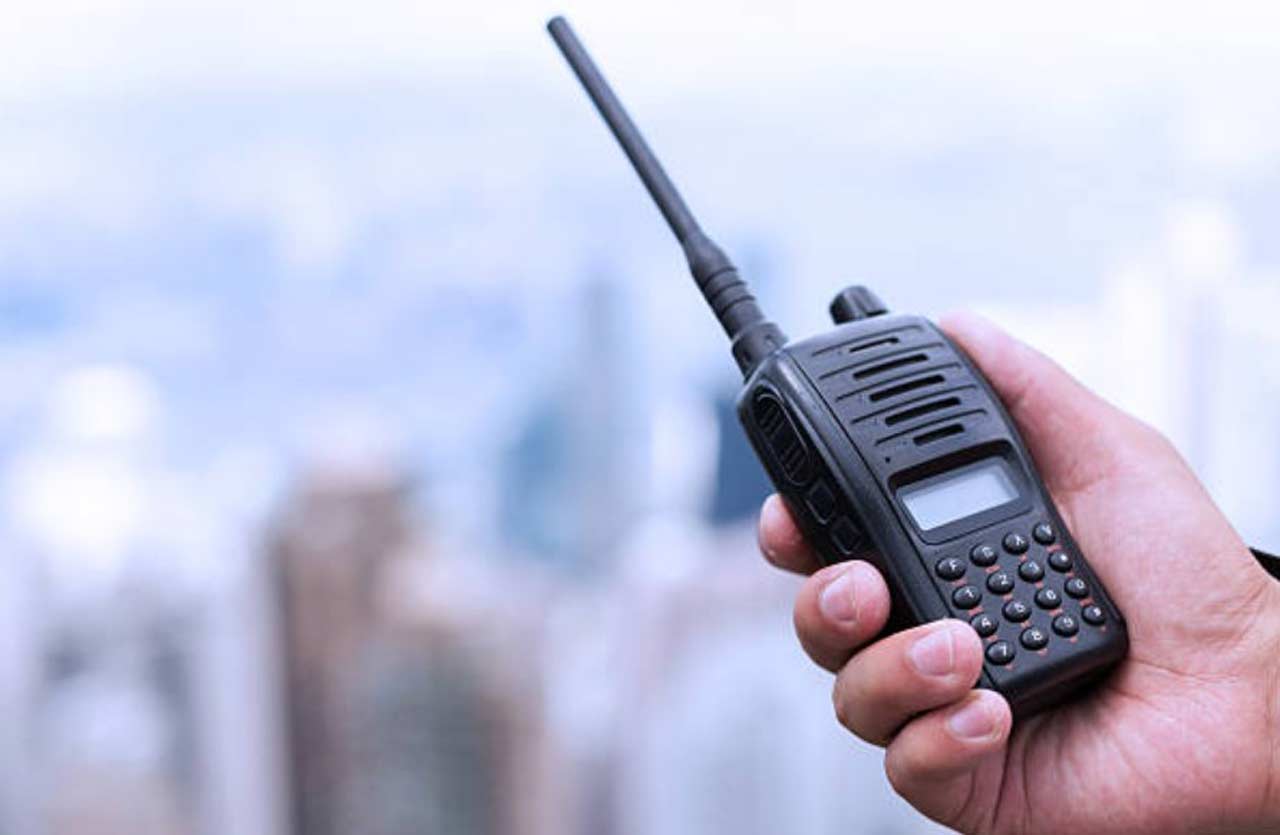
Turns out, the humble walkie-talkie has grown up. Big time. These days, some of them stretch their range across the entire country.
Yes—nationwide walkie-talkies exist. No towers nearby? Still good. Urban or remote? Doesn’t matter. And if you’re still picturing a toy with a belt clip and a bad battery, well, buckle up.


Walkie-Talkies, but Make It Modern
Forget shouting into a plastic brick with a retractable antenna. The walkie-talkie has evolved.
The newest generation connects via LTE, 4G, or even satellite—relying on data networks instead of just old-school radio frequencies. That means:
- No range limits (unless you count the borders of the country)
- No interference from buildings or trees
- No missed calls, fumbling with buttons, or—God forbid—voicemail
We’re talking real-time, push-to-talk communication across cities, states, and time zones.
You press the button. They hear you. Instantly.
It’s not magic. It’s PoC—Push-to-Talk over Cellular. And it’s very, very real.
So Who Needs Nationwide Coverage, Anyway?
You’d be surprised.
Sure, it’s obvious for emergency services, fleet logistics, or road crews crisscrossing the country.
But also:
- Event teams bouncing between venues
- Construction sites spread across counties
- Tour leaders with groups on the move
- Anyone who’s ever yelled “Can you hear me now?” into the void
Nationwide walkie-talkies are no longer a niche tool. They’re becoming the backbone of real-time, wide-area communication in industries that actually move.
The Power Move: Instant Voice
Let’s be honest—phones are slow.
Swipe open. Tap. Dial. Ring. Voicemail. Hang up. Ugh.
With a walkie-talkie, it’s one-button push. That’s it.
One second, you’re talking to your foreman in Kansas. The next, your HQ in Portland is chiming in.
It’s like Slack, but for your actual voice—and without the gifs.
What to Look for (Beyond the Buzzwords)
Sure, “nationwide” sounds cool. But dig deeper.
You want features that actually hold up under pressure, rain, or a 14-hour shift. Things like:
– Multi-network support — Some radios only play nice with one cellular carrier. Look for flexibility. You’ll thank yourself later.
– Battery life that doesn’t wimp out — Aim for 18+ hours, or swappable packs if you’re running ops nonstop.
– App-based control and GPS — Know where your people are. Not just that they’re breathing into a mic somewhere.
– Encryption and channel management — You don’t want your walkie-talkie chatter becoming someone else’s podcast.
– Group and private comms — Good radios let you do both. Great ones let you do it fast.
The Licensing Loophole (Hint: It’s Good News)
Old-school RF radios? You might need an FCC license to operate them.
But with PoC walkie-talkies—the kind that use cellular networks—you’re off the hook. No license. No forms. No waiting for Uncle Sam to bless your gear.
ust power on, connect, and talk.
Why You’re Hearing More About These Now
Because real-time voice is making a comeback.
Text is fine. Email is worse. But push-to-talk? That’s pure speed.
And in industries where seconds matter, speed wins.
The rise of hybrid work, decentralized teams, and larger geographic operations has made the modern walkie-talkie more relevant than ever.
Final Transmission: Should You Bother?
Honestly? Yeah.
If your team spans cities—or if your idea of a weekend involves more forest than Wi-Fi—then nationwide walkie-talkies aren’t just helpful. They’re essential.
They’re faster than a call. Smarter than a text. And in the right hands?
They’re the glue that keeps operations, crews, and convoys running like clockwork.
No more static. No more dropped calls. Just voice, range, and reliability.
Like communication should’ve always been.