Carpet beetles are among the most overlooked pests in households, yet their ability to damage fabrics, rugs, and natural fibers makes them a serious concern. Early detection is critical because infestations often start quietly in hidden corners before spreading to clothes, carpets, and upholstery. Unlike other insects, these pests leave subtle but recognizable clues that reveal their presence. Identifying those signs ensures you can respond quickly with cleaning strategies and protection methods. This article explains how to detect a carpet beetle infestation, covering visible damage, biological traces, and hotspots in the home where they often thrive.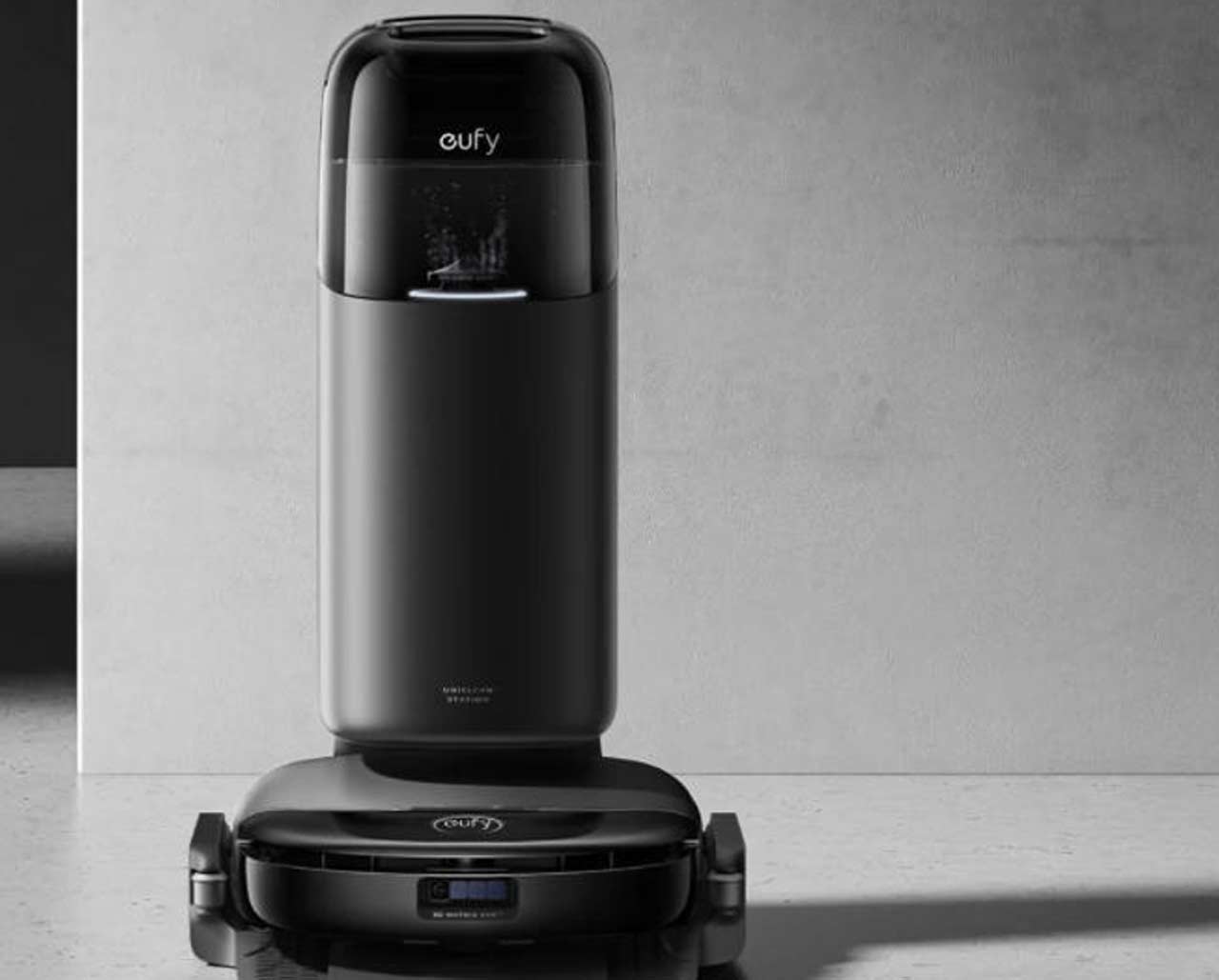
Spotting Visible Damage In Your Home
Holes In Fabrics And Clothing
One of the clearest signs of carpet beetle activity is irregular holes in clothing or stored fabrics. Wool, silk, and cashmere are especially vulnerable because larvae feed on natural fibers. Unlike moth damage, the holes caused by carpet beetles appear uneven, often with frayed edges. Garments stored for months without use are most at risk. Checking seasonal clothing, scarves, or blankets regularly can prevent damage from spreading unnoticed.
Patchy Or Thinning Carpets
Carpet beetle larvae thrive in wool rugs, area carpets, or blended fabrics. Damage usually begins as thinning areas or threadbare patches, particularly in corners, under furniture, or along edges where cleaning is less frequent. Over time, these patches can expand, making early recognition essential. Deep cleaning with strong suction vacuums removes lint and debris that larvae feed on. Tools like the eufy Robot Vacuum Omni S1 Pro, with its precision corner-to-edge cleaning and powerful suction, provide a simple way to keep carpets free of hidden pests.
Upholstery Wear And Fraying
Larvae also target upholstered furniture, chewing at seams, cushion linings, and undersides where lint and dust accumulate. Unlike regular wear and tear, this damage appears in less visible areas, such as the back of chairs or under seat cushions. Inspecting these hidden sections helps reveal infestations early. Consistent vacuuming and fabric care stop pests from establishing long-term colonies.
Recognizing Biological Traces Of Infestation
Shed Skins From Larvae
Carpet beetle larvae molt multiple times before adulthood, leaving behind bristly, brown shed skins. These skins often collect along baseboards, in closets, or inside drawers. Finding them signals an active infestation. Removing these traces through frequent cleaning reduces buildup and helps identify where larvae are concentrated. Vacuuming hidden corners ensures these reminders of beetle activity do not accumulate.


Tiny Droppings And Debris
Another clear indicator of infestation is the presence of small, pellet-like droppings near damaged textiles. These droppings resemble fine grains of sand and usually match the color of the consumed fabric. Though easy to overlook, their appearance alongside holes or fraying confirms larval feeding. Regular deep cleaning prevents the buildup of these residues. Advanced cleaning systems, like the eufy Robot Vacuum Omni S1 Pro with Eco-Clean Ozone™ technology, remove hidden debris while also helping disinfect floors.
Sightings Of Adult Beetles
Although adult carpet beetles do not cause fabric damage, their presence is still important to note. They are often spotted near windows, attracted by light. Adults entering from outside may lay eggs indoors, starting a new cycle. If you see beetles indoors, especially during spring or summer, it’s wise to check for other signs of larvae. Their activity usually points to breeding somewhere within the home.
Identifying Hotspots Around The House
Closets And Stored Items
Closets and storage bins provide ideal conditions for carpet beetles. Garments kept for long periods, such as winter coats or wool blankets, are prime targets. Infestation signs often appear only after significant damage has occurred. Protecting items with garment bags and adding frequent closet cleaning reduces risks. Smart vacuuming devices that reach closet edges and corners simplify this maintenance.
Rugs, Curtains, And Decorative Fabrics
Beyond clothing, carpet beetles target decorative items like curtains, wall hangings, or ornamental rugs. Homeowners often overlook these items because they are less frequently handled. Small holes, thinning areas, or uneven spots in these fabrics often point to larvae activity. Gentle vacuuming of drapes and professional cleaning of decorative fabrics ensures pests do not go unnoticed.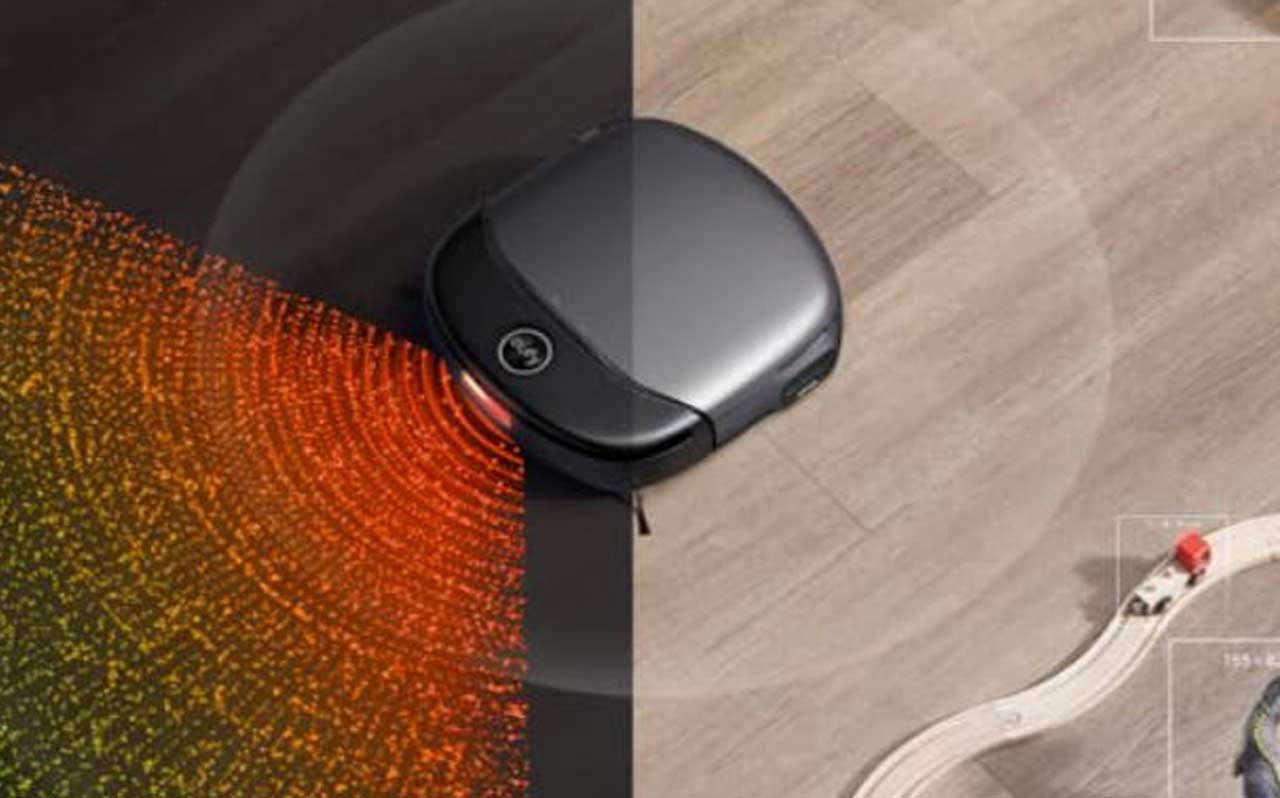
Baseboards, Corners, And Hidden Areas
Carpet beetles prefer dark, undisturbed spots. Their skins, droppings, or larvae are often found near baseboards, under heavy furniture, or inside air vents. These areas collect lint and dust, providing food for larvae. Consistent corner-to-edge cleaning helps eliminate these hotspots. The eufy Robot Vacuum Omni S1 Pro, with its ability to navigate tight edges, is especially useful for these overlooked zones.
Conclusion
Detecting a carpet beetle infestation requires careful observation of fabric damage, biological traces, and household hotspots. Irregular holes in clothes, thinning carpets, and frayed upholstery reveal early activity. Shed skins, tiny droppings, and the presence of adult beetles provide additional proof. Infestations often begin in closets, under furniture, or in rarely cleaned corners, making consistent inspection and cleaning essential. Pairing vigilance with modern cleaning solutions like the eufy Robot Vacuum Omni S1 Pro ensures long-term protection. For homeowners seeking how to get rid of carpet beetles, the first step is detection—once you identify the signs, you can act quickly and preserve the comfort and safety of your home.