Your Hook Is Killing Your Reach — Here’s the 3-Second Rule Fix
How smarter hooks and the 3-Second Rule can stop the scroll and boost your social media reach

You scroll, pause, and scroll again. This is how social media works today. Every post gets a tiny moment to prove its worth to your time. If it fails, your thumb wins. That’s the reality most creators face—and it’s brutal. If your content doesn’t grab attention instantly, it disappears. No second chances. No mercy.
Here’s the hard truth: most creators lose their audience in the first 3 seconds. Not because their content is bad, but because their hook is weak. The opening line feels boring. The first frame looks confusing. The message arrives too late. And just like that, people scroll past without thinking twice.
The stakes are high. Poor hooks lead to low social media engagement. Low engagement kills reach. Low reach kills growth. Even your best ideas can fail if they don’t start strong. That’s why so many creators feel stuck, posting daily but seeing little progress. It’s not the algorithm working against you. It’s your opening working against you.
This is where the 3-Second Rule changes everything. It’s a simple rule with a powerful impact. You have three seconds to earn attention—or lose it forever. When used right, it helps you create attention-grabbing hooks and scroll-stopping content that make people pause, watch, and care.


In this post, you’ll learn why your hook is hurting your reach and how to fix it fast. You’ll discover simple, proven ways to improve your openings, boost social media engagement, and stop wasting great content on weak starts. Small changes in your first 3 seconds can unlock big results.
What Is the 3-Second Rule in Social Media?
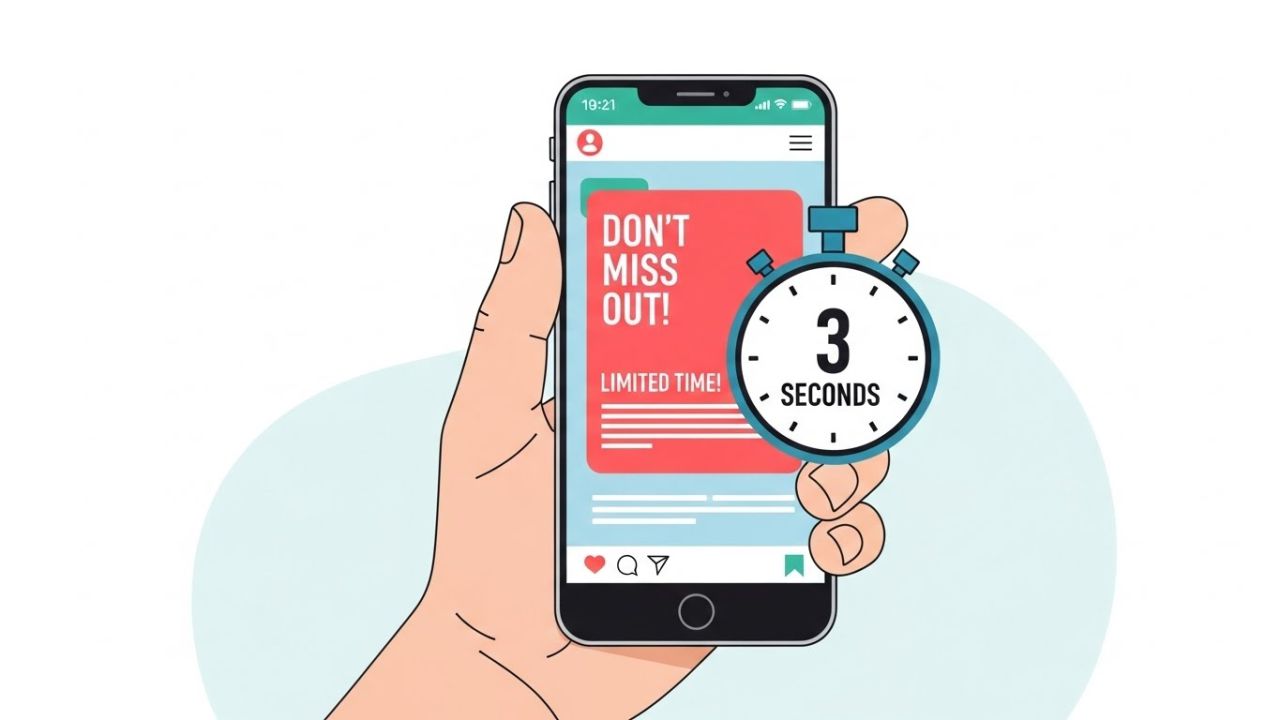
The 3-Second Rule in social media means something very simple. You have three seconds to grab attention—or you lose it. In content creation, those first three seconds decide everything. If people don’t feel curious, excited, or interested right away, they scroll past. Your message never lands.
Why does this happen? Because our brains move fast. Studies show that online attention spans are now shorter than ever. People see hundreds of posts every day. So their brain quickly asks, “Is this worth my time?” If the answer is unclear, the thumb keeps moving. That’s why social media hooks matter more than long captions or perfect editing.
The first three seconds are critical for social media engagement. This is where viewers decide to stay or leave. Strong openings create attention-grabbing hooks. Weak ones feel slow, confusing, or boring. Sadly, this is why most hooks fail. Many creators start with long intros, vague lines, or delayed messages. By the time the point arrives, the viewer is already gone.
The 3-Second Rule matters most on fast platforms. Instagram Reels, TikTok, and YouTube Shorts are built for speed. People scroll without thinking. Only scroll-stopping content survives. A bold first line. A clear promise. A strong visual. These elements work together to hold attention.
When you respect the first three seconds, your content gets seen, watched, and remembered. Ignore them, and even great ideas disappear.
Common Mistakes That Kill Your Reach
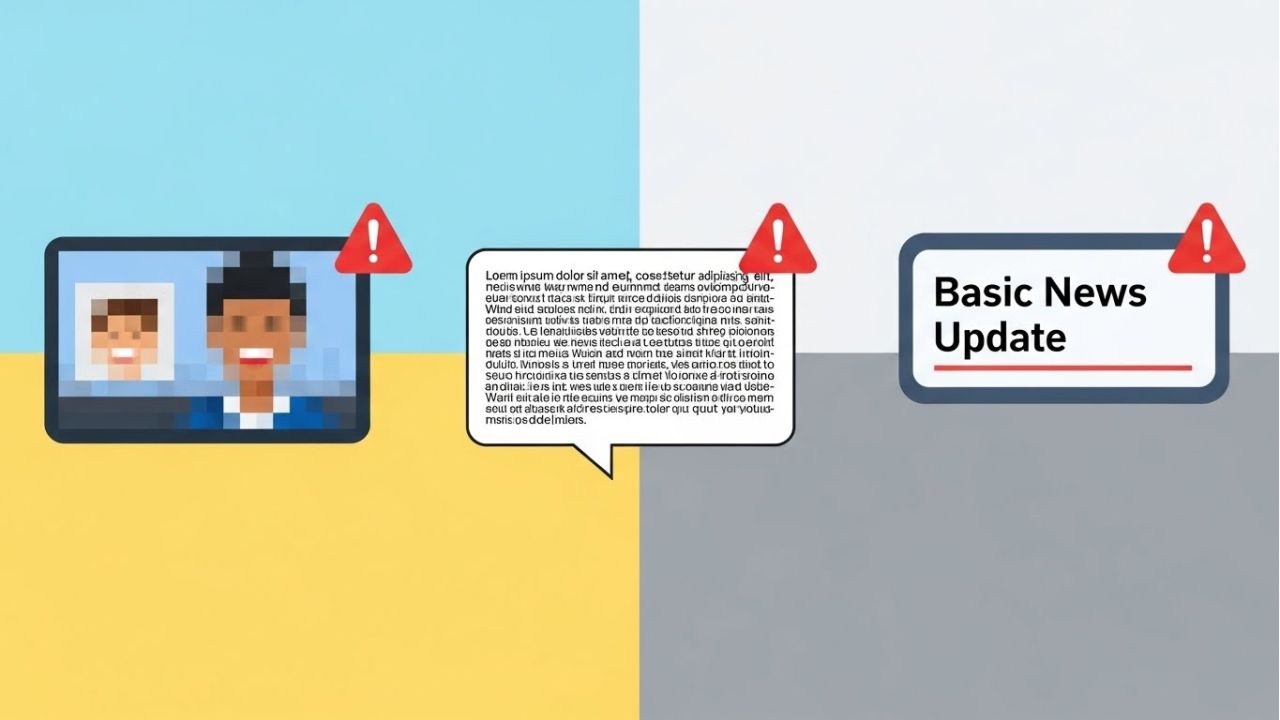
Many creators work hard, yet their posts still fail. Why? Small hook mistakes destroy reach in the first seconds. When the opening is weak, the algorithm notices. More importantly, people leave. Let’s break down the most common errors that hurt the 3-Second Rule.
First, weak headlines are a big problem. Lines like “Just sharing my thoughts” or “New post is live” say nothing. They don’t create curiosity. Next come generic captions. When your words sound like everyone else, no one stops. Your hook must feel clear and fresh to boost social media engagement.
Another silent killer is irrelevant thumbnails or first frames. If the visual doesn’t match the message, the brain feels confused. Confusion leads to scrolling. Visual and text synergy in the first frame is critical. The picture and the words must work together, not fight each other.
Many creators also overcomplicate their message. They try to explain everything at once. Long sentences. Too many ideas. This hurts audience retention strategies. Simple always wins. Clear beats clever.
Finally, ignoring basic social media copywriting tips can cost you reach. Hooks should be short. Words should be easy. The promise should be obvious. When viewers understand fast, they stay longer.
Fixing these mistakes doesn’t require talent. It requires focus. Strong hooks respect time, clarity, and emotion. When you avoid these errors, your content becomes scroll-stopping—and your reach starts to grow.
Psychology Behind Scroll-Stopping Hooks
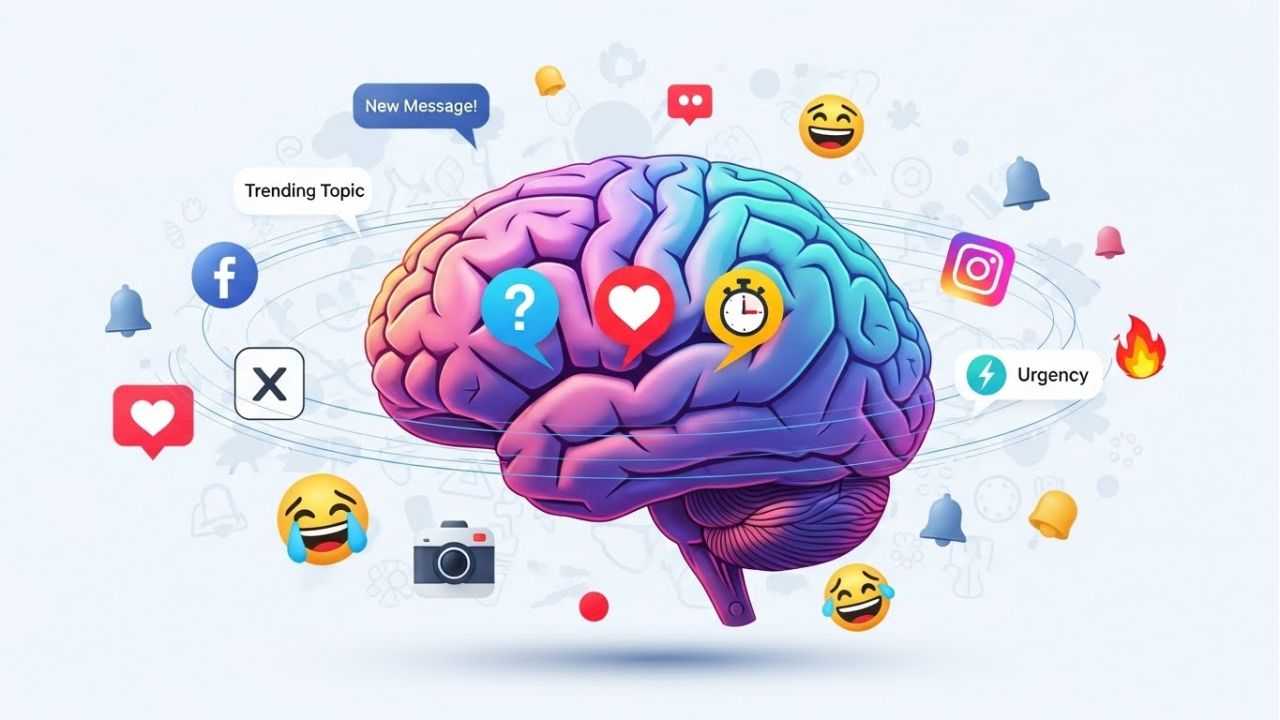
Every scroll is a tiny decision. In just three seconds, the brain decides: stop or skip. This is where the 3-Second Rule controls everything. Our minds are built to save energy. So when content feels boring, unclear, or slow, the brain chooses the fastest exit—scrolling.
First comes emotion. Feelings move faster than logic. When a hook sparks surprise, fear, joy, or curiosity, the brain wakes up. That’s why viral social media content often feels emotional, not perfect. A strong feeling makes people pause without thinking.
Next is curiosity. The brain hates missing answers. When a hook opens a small loop, people want to close it. Lines like “Most creators get this wrong” or “This mistake kills reach” work because they ask a silent question. Curiosity is the engine behind powerful hook formulas for social media.
Then comes urgency. Words like now, today, or before it’s too late push the brain to act fast. This links closely with FOMO, the fear of missing out. When viewers feel they might miss something useful or important, they stop scrolling.
Simple emotional triggers also matter. Pain. Desire. Relief. Growth. These ideas connect deeply with human needs. When a hook touches one, attention locks in.
Great hooks don’t shout. They whisper the right thing at the right moment. When emotion, curiosity, and urgency meet in the first three seconds, scrolling stops—and engagement begins.
How to Craft Hooks That Work Every Time

Strong hooks are not luck. They follow a simple system. When you respect the 3-Second Rule, your content becomes easier to watch and harder to ignore. The goal is clear: grab attention fast and promise value.
Start with an easy framework: problem → solution → curiosity. First, name a problem your viewer feels. Next, hint at a solution. Then, add a small gap that makes them want more. This structure creates attention-grabbing hooks that feel natural, not forced.
Hooks must match the format. Text, video, and visuals all work together. Use bold words on screen, clear faces in videos, and simple visuals that match your message. When all parts agree, attention stays longer.
Hook Examples for Instagram Reels
- “Your reach is low because you’re missing this.”
- “Most Reels fail in 3 seconds. Here’s why.”
Short. Clear. Emotional.
Hook Examples for TikTok and Shorts
- “Stop scrolling. This mistake is killing your views.”
- “I fixed my hook, and this happened.”
These lines feel urgent and personal. That’s why they work.
Copywriting Tips to Make Your First Line Irresistible
Keep sentences short. Use simple words. Speak to one person. Ask a quiet question. Promise one clear benefit. These social media hook examples follow the same rule: clarity first.
Remember this: great hooks don’t explain everything. They invite attention. Do that well, and your reach grows every time.
Applying the 3-Second Rule Across Platforms
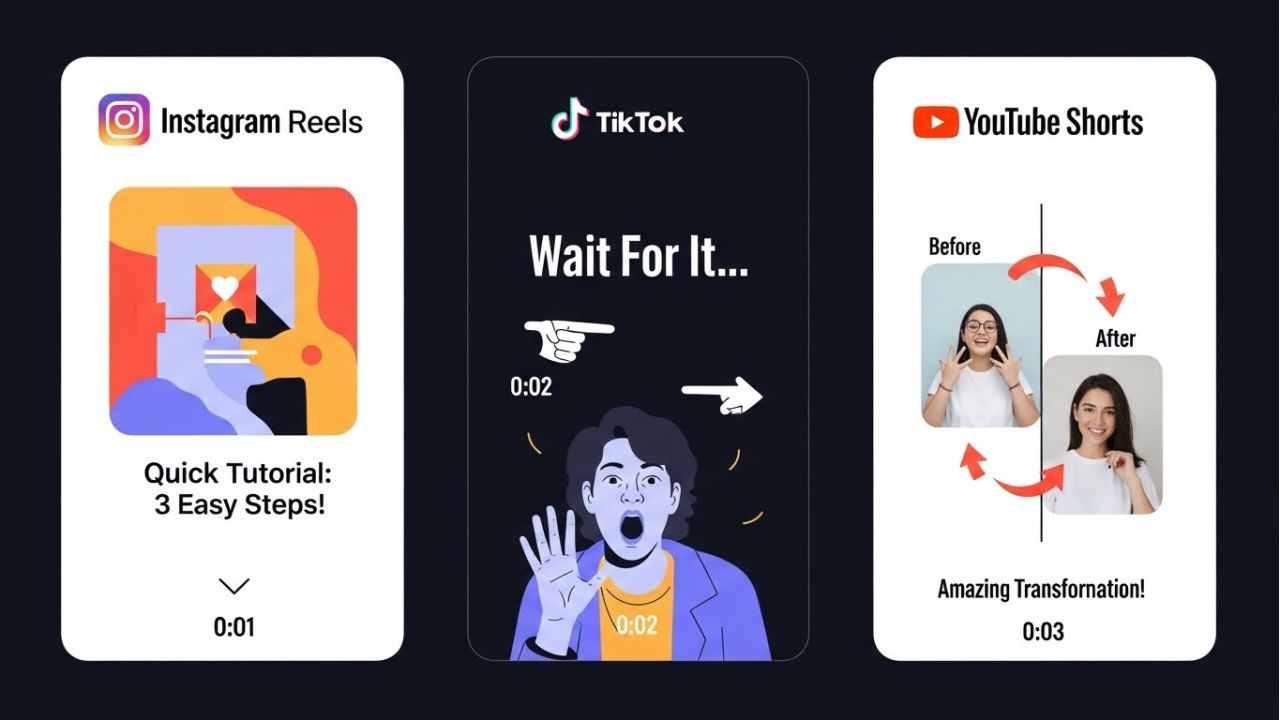
The 3-Second Rule works everywhere, but each platform plays by its own rules. To win attention, you must adjust your hook to where people are scrolling. One style does not fit all.
On Instagram Reels, visuals come first. People notice faces, movement, and bold text. So place your hook in the very first frame. Use one clear sentence on screen. Say the same line out loud. This doubles the impact and helps with improving reach on social platforms.
On TikTok, speed matters more. The hook must hit fast and feel personal. Talk directly to the viewer. Start with emotion or a strong statement like “You’re doing this wrong.” TikTok rewards raw energy and honest tone. This is why short-form content hooks work best here.
On YouTube Shorts, clarity wins. Viewers want to know what they’ll learn. Start with a promise. Use a clean visual and steady pacing. Avoid slow intros. The first three seconds decide if the video lives or dies.
Now, timing and placement matter. Always put your hook before logos, greetings, or long captions. In videos, it belongs in the first second. In captions, it belongs in the first line, not hidden below.
When you respect platform behavior, hooks feel natural. Instagram loves visuals. TikTok loves emotion. YouTube loves clarity. Adapt your hook, keep it simple, and the 3-Second Rule will work in your favor—everywhere you post.
Tools and Techniques to Test Your Hooks
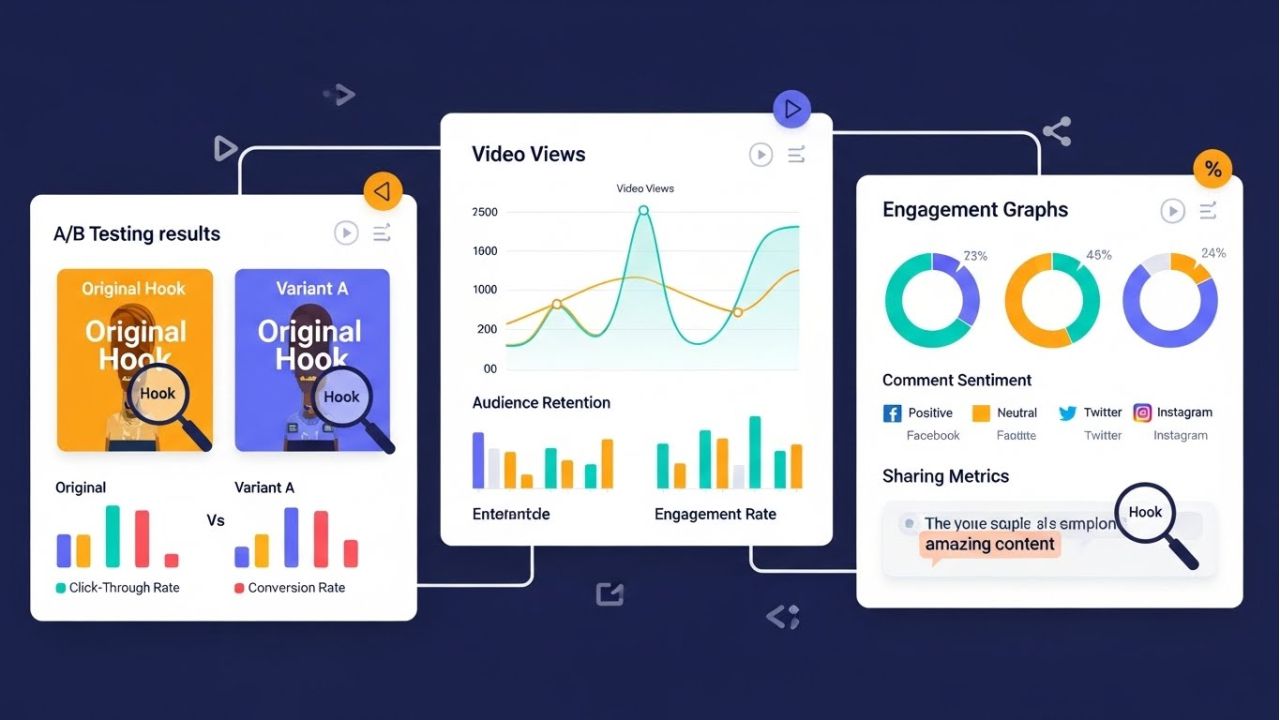
Great hooks are not guessed. They are tested. When you follow the 3-Second Rule, testing helps you see what truly works and what quietly fails. The goal is simple: learn fast and improve faster.
Start by measuring social media engagement. Look at views, watch time, and saves. If people leave early, your hook needs work. The first three seconds tell the real story. High drop-offs mean the hook did not connect.
Next, try A/B testing. Post the same content with two different hooks. Change only one thing. Test captions, thumbnails, or the first video frame. This helps you spot patterns. Small changes often bring big results. This is one of the smartest audience retention strategies.
Use platform analytics to guide you. Instagram and TikTok show where viewers stop watching. That moment is your clue. Fix the hook before that second. Shorten the text. Add emotion. Improve clarity.
Quick experiments also help create scroll-stopping content. Try bold text in the first frame. Test a question instead of a statement. Swap calm music for silence. These tiny shifts train your eye to spot winning hooks.
Most creators never test. That’s their mistake. When you test your hooks, you stop guessing and start growing. Respect the data, adjust with purpose, and let the 3-Second Rule guide every improvement you make.
Bonus Tips for Hook Mastery

Once you understand the 3-Second Rule, small upgrades can create big wins. These bonus tips help your hooks feel fresh, fun, and powerful. They also help with improving social media reach without extra effort.
First, use storytelling. Humans love stories. Even a tiny story works. Start with a moment, a mistake, or a feeling. Lines like “I almost quit posting until this happened” pull people in fast. These are simple content hook examples that spark emotion.
Next, use numbers. Numbers feel clear and safe. They promise structure. Hooks like “3 mistakes killing your reach” or “1 change that doubled my views” work because the brain likes limits. It knows what to expect.
Then add surprise elements. Break patterns. Say the opposite of what people believe. For example, “More posting won’t fix your reach.” Surprise wakes the brain and stops the scroll.
Also, watch trending formats. Trends give your hook a familiar shape. When people recognize the style, they feel comfortable staying. Just make sure your message stays clear and true to you.
Finally, keep testing and refining. Shorter lines. Stronger words. Clear emotions. Great hooks are built, not born. When you mix clarity, curiosity, and creativity in the first three seconds, attention follows.
Remember this simple rule: if your hook feels boring to you, it feels invisible to others. Respect the 3-Second Rule, and mastery will follow.
Final Thoughts: Fix the First 3 Seconds or Lose the Scroll
Let’s bring it all together. The 3-Second Rule is not a trend. It’s the rule of survival on social media. Every post you share gets just a few seconds to earn attention. When your opening is weak, people scroll away. When your hook is strong, people stop, watch, and engage. That’s how reach grows.
Now think about your own content. Be honest. Do your hooks create curiosity, or do they feel slow and safe? This is your moment to audit them. Look at your first line. Look at your first frame. Ask one simple question: Would this make me stop scrolling? If the answer is no, it’s time to fix it.
The good news? You don’t need fancy tools or viral luck. Small changes work. Shorter lines help. Clear emotions matter. Attention-grabbing hooks turn boring posts into scroll-stopping content. When people stay longer, social media engagement rises. And when engagement rises, reach follows.
So take action today. Not tomorrow. Not next week. Test your hooks today and watch your reach soar — start with one post implementing the 3-Second Rule. Just one post. One strong opening. That’s how momentum begins.
If this guide helped you see hooks differently, stay connected. I share simple tips, real examples, and fast fixes every day. Follow Ultraupdates on Instagram to keep learning how to grow smarter, not harder.
Remember this: great content doesn’t start in the middle. It starts in the first 3 seconds. Make them count.