Bullet Proof Windows: Practical Protection for Homes, Businesses, and High-Risk Spaces

 Security concerns have changed the way many property owners think about doors, windows, and building design. For some homes and businesses, standard glass may not provide the level of protection needed against forced entry, vandalism, flying debris, or ballistic threats. This is where bullet proof windows can become an important part of a larger safety plan.
Despite the name, “bullet proof” does not mean completely impossible to penetrate. A more accurate term is bullet-resistant glass or ballistic glass. These window systems are designed to resist specific levels of impact, including certain types of firearm rounds, depending on the material, thickness, and rating.
For businesses, schools, government buildings, financial institutions, convenience stores, reception areas, and private properties, bullet proof windows can add a strong layer of protection. They help delay intrusion, reduce risk, and give people more time to respond during dangerous situations.
What Are Bullet Proof Windows?
Bullet proof windows are specialized glazing systems designed to resist ballistic impact. They are made from layers of glass, polycarbonate, acrylic, or laminated materials that work together to absorb and slow the force of a projectile.
Unlike ordinary glass, which shatters quickly when struck, ballistic window systems are engineered to stay together under impact. The layers help prevent penetration and reduce dangerous glass fragmentation.

Why They Are Called Bullet Resistant
The phrase bullet proof is commonly used, but no window can be guaranteed to stop every weapon, every round, or every attack. Protection depends on the rating of the window system.
A window rated for one threat level may stop certain handgun rounds but may not stop high-powered rifle rounds. That is why it is important to choose a window based on the actual risk level of the property.
Professionals often use the term bullet-resistant because it more accurately describes how these systems work.
How Ballistic Glass Works
Bullet-resistant glass works by spreading and absorbing energy. When a bullet hits the surface, the outer layers may crack, but the inner layers help slow the projectile and keep the barrier intact.
Some systems use laminated glass, while others use polycarbonate or acrylic materials. The design depends on the protection level needed, visibility requirements, weight limits, and installation location.
The goal is to create a barrier that protects people and property while still allowing natural light and visibility.
Common Places That Use Bullet Proof Windows
Bullet proof windows are used in many settings where safety, access control, and risk reduction are priorities. They are not limited to government buildings or high-security facilities.
Banks and Financial Institutions
Banks often use ballistic glass around teller areas, offices, and customer service points. These windows help protect employees while still allowing communication with customers.
Because financial institutions may face robbery risks, bullet-resistant barriers can be part of a broader security system that includes cameras, alarms, controlled access, and trained staff procedures.
Schools and Educational Buildings
School safety has become a major concern for many communities. Some schools use bullet-resistant glass in entryways, reception areas, administrative offices, and secure vestibules.
The goal is often to delay forced entry and protect vulnerable areas. These systems may also be combined with locked doors, visitor screening, security film, and emergency response planning.
Government and Public Buildings
Courthouses, police stations, military facilities, municipal buildings, and public offices may use ballistic glass to protect staff and visitors.
These buildings often serve large numbers of people and may require stronger protective measures because of their public-facing role.
Retail Stores and Convenience Stores
Some retail businesses face higher risks because they operate late at night, handle cash, or are located in areas with increased crime concerns. Convenience stores, pawn shops, pharmacies, jewelry stores, and cannabis dispensaries may consider bullet proof windows for added protection.
Ballistic glass can help protect employees at counters, registers, and transaction windows.
Residential Properties
Some homeowners choose bullet-resistant windows for personal security, especially in high-risk situations or properties requiring extra privacy and protection.
Residential use may include safe rooms, front-facing windows, entry areas, or custom security upgrades. In these cases, the windows are often designed to blend with the home’s appearance while adding protection.
Types of Bullet Proof Window Materials
Different materials provide different levels of protection, appearance, weight, and cost. Choosing the right material depends on the project.
Laminated Glass
Laminated glass is made by bonding layers of glass with interlayers. When struck, the glass may crack, but the interlayer helps hold it together.
For ballistic applications, laminated glass can be much thicker than standard safety glass. It offers strong clarity and durability, though it can be heavy.
This material is often used where appearance and scratch resistance matter.
Polycarbonate
Polycarbonate is a strong plastic material known for impact resistance. It is lighter than glass and can absorb force well.
Some bullet-resistant systems combine glass and polycarbonate to create a layered barrier. Polycarbonate can scratch more easily than glass, so protective coatings may be used.
It is often useful when weight is a concern or when higher impact resistance is needed.
Acrylic
Acrylic can be used for lower-level ballistic protection and is often clearer and lighter than some other materials. It can be shaped or fabricated more easily than laminated glass.
However, acrylic may not provide the same level of protection as thicker glass-clad or polycarbonate systems.
Glass-Clad Polycarbonate
Glass-clad polycarbonate combines layers of glass and polycarbonate. This design can offer strong ballistic resistance while maintaining good visibility.
The glass layer helps resist scratching, while the polycarbonate helps absorb impact. This combination is commonly used in higher-security applications.
Understanding Protection Ratings
One of the most important parts of choosing bullet proof windows is understanding ratings. Ratings tell you what type of threat the window has been tested to resist.
Why Ratings Matter
A window’s thickness alone does not tell the full story. Two products may look similar but perform very differently under impact.
Ratings help property owners choose a window system based on tested performance. They also help architects, contractors, and security professionals match the product to the building’s risk level.
Common Rating Standards
Ballistic windows may be tested under standards such as UL 752, NIJ, or other recognized systems. These standards classify protection levels based on the type of firearm, ammunition, number of shots, and test conditions.
For example, one rating may be designed to resist certain handgun rounds, while another may be designed for rifle threats.
Choosing the correct rating should involve a careful review of the property’s security needs.
Matching the Rating to the Risk
Not every building needs the highest level of ballistic protection. Higher-rated systems can be thicker, heavier, and more expensive.
A small retail store may need a different protection level than a government facility or school entrance. A professional security assessment can help identify the most appropriate option.
Benefits of Bullet Proof Windows
Bullet proof windows offer several practical benefits. Their value goes beyond stopping bullets. They can also support broader safety and security goals.
Added Protection for People
The most important benefit is protection for people. Employees, customers, students, residents, and visitors may be safer behind a properly rated ballistic window system.
In a dangerous situation, these windows can create a barrier that slows or stops a threat.
Delay Against Forced Entry
Many security systems are designed to delay access. Even if a determined attacker tries to break through, bullet-resistant glass can slow the process.
This delay can give people time to move to safety, lock down an area, call emergency services, or activate security protocols.
Reduced Glass Fragmentation
Standard glass can break into sharp pieces during impact. Bullet-resistant systems are designed to hold together better, reducing the risk of flying glass.
This can be helpful not only during ballistic events but also during vandalism, forced entry attempts, or severe impacts.
Improved Peace of Mind
For high-risk businesses or properties, added security can reduce anxiety for staff and occupants. Employees who work late, handle cash, or interact with the public may feel more secure when protective barriers are in place.
Peace of mind is not the same as complete safety, but it can make a meaningful difference in daily operations.
Bullet Proof Windows and Building Design
Security upgrades should not make a building feel cold, closed off, or unwelcoming. Modern bullet-resistant window systems can often be designed to fit the look and function of the property.
Maintaining Visibility and Natural Light
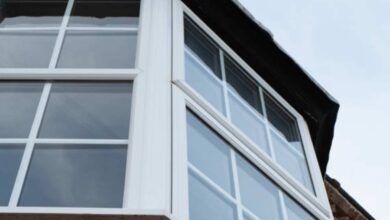
One concern property owners have is whether security glass will make a space feel dark or heavy. Many ballistic glazing products are designed to remain clear and allow natural light.
This is important for schools, offices, retail stores, and homes where visibility and appearance matter.
Integrating With Existing Frames
A bullet-resistant window is only as strong as the full system. The glass, frame, anchoring, and surrounding wall must work together.
Installing ballistic glass in a weak frame may reduce the effectiveness of the system. Proper installation is essential.
In many cases, existing frames may need to be reinforced or replaced.
Balancing Security and Daily Use
Some spaces need transaction windows, speak-through openings, package passers, sliding panels, or access control features. These details should be planned carefully so security does not interfere with daily operations.
For example, a reception area may need both protection and friendly communication. A well-designed system can support both.
Important Installation Considerations
Proper installation is just as important as the window product itself. Poor installation can create weak points that reduce protection.
Professional Assessment
Before installation, the property should be evaluated. This may include reviewing risk level, entry points, visibility, building structure, existing frames, and daily operations.
A professional assessment helps determine where bullet proof windows will have the greatest impact.
Frame Strength
The frame must match the protection level of the glass. If the frame fails, the glass may not perform as intended.
Ballistic-rated frames are often used for higher-security installations. These frames are designed to resist impact and remain secure under force.
Wall and Opening Support
The surrounding wall must also be strong enough to support the window system. Ballistic glass can be heavy, especially at higher protection levels.
Contractors may need to reinforce openings or adjust the structure to handle the weight.
Proper Sealing
Windows should also be sealed against weather, moisture, and air leaks. This is especially important for exterior installations.
Security should not come at the cost of building performance.
Maintenance and Long-Term Care
Bullet-resistant windows are durable, but they still need proper care. Maintenance helps preserve visibility, appearance, and performance.
Cleaning the Surface
Cleaning instructions depend on the material. Some materials can scratch if cleaned with harsh tools or abrasive products.
Soft cloths and approved cleaning solutions are usually recommended. Polycarbonate and acrylic surfaces may require extra care compared with standard glass.
Inspecting for Damage
Windows should be checked for cracks, deep scratches, delamination, seal failure, or frame movement.
Damage should be evaluated quickly. A compromised window may not provide the expected level of protection.
Protecting Against Scratches
In public areas, windows may be exposed to keys, bags, tools, or frequent contact. Scratch-resistant coatings can help, but careful use still matters.
For transaction areas, regular inspection is especially important.
Bullet Proof Windows as Part of a Larger Security Plan
Bullet proof windows are valuable, but they should not be the only security measure. They work best as part of a complete safety strategy.
Access Control
Controlled entry systems, secure doors, locks, visitor management, and keycard access can help limit who enters sensitive areas.
Windows protect openings, but access control manages movement.
Cameras and Monitoring
Security cameras can help document activity, discourage crime, and support response efforts. When paired with ballistic barriers, cameras improve situational awareness.
Emergency Planning
People inside the building should know what to do during a security event. Training, drills, communication systems, and clear procedures are essential.
Physical protection is stronger when people also have a plan.
Lighting and Visibility
Exterior lighting can discourage crime and improve safety around entrances, parking lots, and walkways. Clear visibility helps staff and security personnel notice concerns sooner.
Choosing the Right Bullet Proof Windows
Selecting the right system depends on the property, threat level, budget, and design goals.
Identify the Main Risk
The first step is understanding the reason for the upgrade. Is the concern robbery, forced entry, workplace violence, school safety, vandalism, or personal protection?
Each risk may require a different solution.
Choose the Correct Rating
The window should be rated for the level of protection needed. Choosing too low a rating may leave gaps in safety. Choosing too high a rating may add unnecessary cost and weight.
A security professional or experienced supplier can help guide this decision.
Consider Appearance and Function
Security windows should still support the purpose of the space. A storefront needs visibility. A reception desk needs communication. A home may need discreet design.
The best system balances protection, usability, and appearance.
Work With Experienced Installers
Ballistic window installation is specialized work. Experienced installers understand frame requirements, anchoring, sealing, and structural concerns.
Good installation helps ensure the window performs as intended.
Final Thoughts on Bullet Proof Windows
Bullet proof windows can provide meaningful protection for properties facing higher security risks. They help shield people, slow threats, reduce glass fragmentation, and support safer building design.
The key is choosing the right system. Protection depends on materials, ratings, frames, installation quality, and how the windows fit into the larger security plan.
For businesses, schools, public buildings, and homes that need added security, bullet-resistant windows can be a practical investment. They do not replace emergency planning, access control, or trained response procedures, but they can strengthen the overall safety of a space.
When properly selected and installed, bullet proof windows offer more than physical protection. They provide time, confidence, and an added layer of security when it matters most.