Uber and Lyft Accidents in West Palm Beach: Navigating the Insurance Tiers, Florida’s TNC Rules, and the Complications That Trip Up Injured Riders

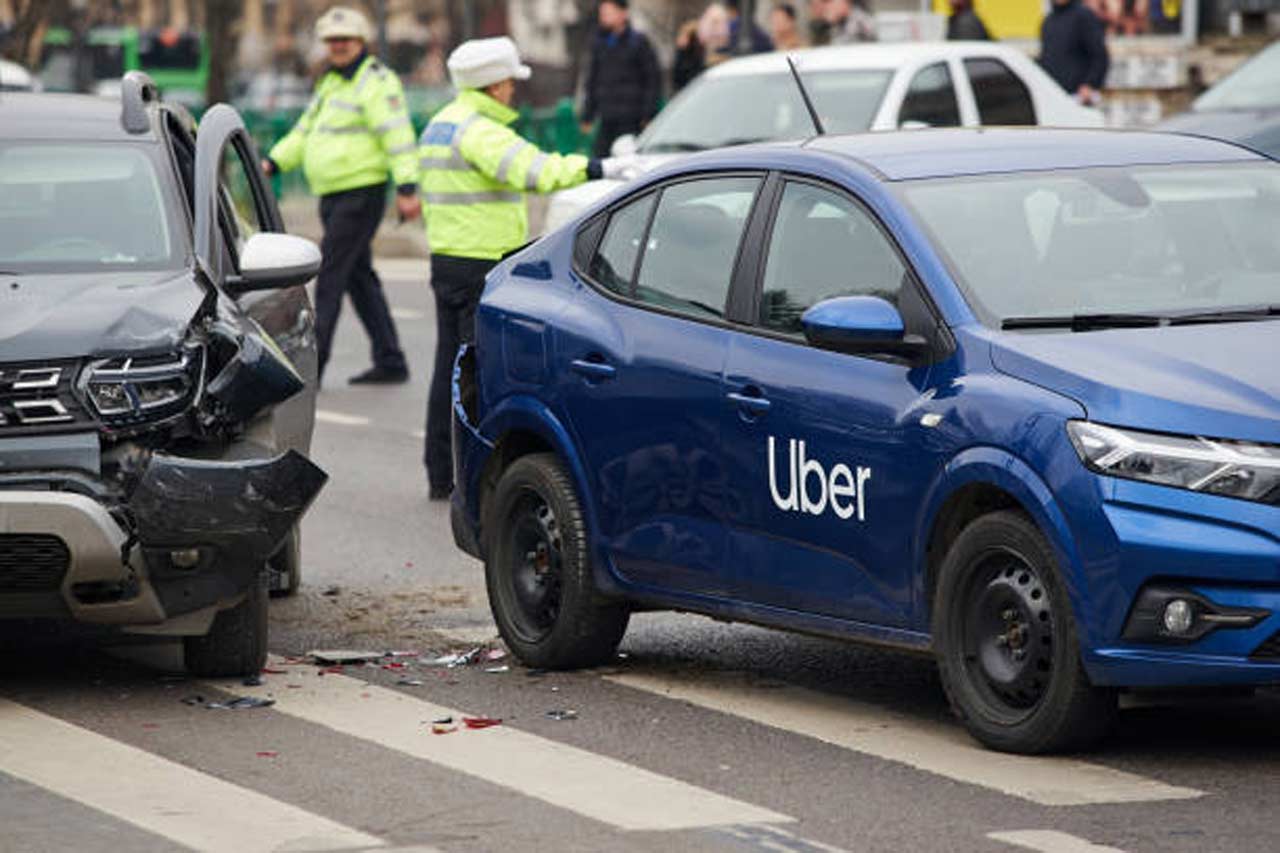 West Palm Beach and Palm Beach County sit at the center of one of Florida’s most active rideshare markets. Palm Beach International Airport generates thousands of daily rideshare trips, the city’s active hotel and hospitality corridor drives consistent demand from tourists and business travelers, and the region’s spread-out geography makes app-based transportation a practical necessity for residents without vehicles. Uber and Lyft operate extensively throughout the area, and with that volume of activity comes a consistent flow of serious crashes involving rideshare vehicles.
For the people hurt in those crashes, whether as passengers, occupants of other vehicles, pedestrians, or cyclists, the insurance and liability framework that applies is fundamentally more complex than a standard two-vehicle accident. Florida has specific rules governing Transportation Network Companies, and Uber and Lyft maintain tiered insurance coverage that changes based on the driver’s app status at the moment of the crash. Getting the coverage analysis right from the beginning of the claim is what determines how much compensation is actually available.
Florida’s TNC Insurance Requirements
Florida regulates Uber, Lyft, and other Transportation Network Companies under a specific statutory framework that establishes minimum insurance requirements at each phase of the driver’s activity. These requirements supplement the driver’s personal auto insurance policy and represent the state’s attempt to ensure that injured parties are not left without coverage when a rideshare driver causes a crash.
The Florida Highway Safety and Motor Vehicles department’s TNC regulations establish the regulatory framework for rideshare operations in the state, including the insurance minimums that apply at each operational phase and the background check and vehicle inspection requirements that TNCs must meet for their drivers. When a TNC or its driver fails to comply with these requirements, those violations are relevant to both the liability analysis and any direct negligence claim against the company.
The Three Coverage Tiers and What Each Means for Your Claim
Every Uber and Lyft accident claim begins with the same threshold question: what phase of operation was the driver in at the exact moment of the crash? The answer determines which coverage applies and how much is available:


- App off: The driver is not logged into the rideshare platform. Only the driver’s personal auto insurance applies. Florida requires minimum liability coverage of $10,000 per person, though many drivers carry more. If the driver carries only minimum coverage and your injuries are serious, recovery may be limited
- App on, no ride matched: The driver is logged in and available but has not accepted a trip. Florida requires rideshare companies to maintain contingent liability coverage of at least $50,000 per person and $100,000 per accident during this phase, available when the driver’s personal policy does not cover the loss
- Ride accepted through passenger dropoff: From the moment a driver accepts a trip request through the completion of the dropoff, Uber and Lyft are required to maintain $1 million in liability coverage plus uninsured and underinsured motorist coverage. This is the tier that provides the most substantial recovery opportunity for seriously injured claimants
Determining which tier applies requires obtaining the app data from the rideshare company showing the driver’s login status and trip activity at the time of the crash. This data is time-sensitive and must be requested promptly through the proper legal channels before it becomes inaccessible.
When the Driver’s Personal Insurance Conflicts With TNC Coverage
A recurring complication in West Palm Beach rideshare accident claims arises from the conflict between the driver’s personal auto policy and the rideshare company’s coverage. Many personal auto policies include commercial use exclusions that deny coverage when the driver was using the vehicle for a commercial purpose, including rideshare driving, at the time of the crash. This exclusion is most likely to be invoked during the app-on phase when no ride has been accepted, because that is the gray zone where the driver is clearly working but the TNC’s contingent coverage only kicks in if the personal policy denies the claim.
In practice, an injured person in this situation may find their claim denied by the personal insurer on commercial use grounds, triggering the TNC’s contingent coverage, while the TNC argues that the personal policy should be primary. Being caught between two insurers each pointing at the other is a documented problem in rideshare claims, and it is one that requires legal intervention to resolve in the injured person’s favor.
Claims Available to Different Categories of Injured People
The legal position of an injured person in a rideshare crash depends significantly on their relationship to the trip:
- Rideshare passengers: Passengers injured during an active trip have the strongest coverage position, with access to the $1 million policy that applies once a trip is accepted. Claims are pursued against both the driver and through the rideshare company’s policy
- Occupants of other vehicles: Drivers and passengers in vehicles struck by an Uber or Lyft driver have tort claims against the driver and access to the applicable coverage tier based on the driver’s app status
- Pedestrians and cyclists: People struck by rideshare vehicles outside a car have the same tort claim structure, with the $1 million policy available during active trips providing the most substantial recovery potential
- Other rideshare drivers: When two rideshare vehicles are involved in a crash, both drivers’ app statuses and trip phases must be analyzed to determine which coverage applies to which claim
Preserving Evidence in a West Palm Beach Rideshare Crash
The most time-sensitive evidence in a rideshare accident case is the digital record of the driver’s app activity. Screenshots of the Uber or Lyft app taken immediately after a crash preserve the trip information, driver details, and route data that establish which coverage tier applies. Once the app session ends or the driver denies the crash through the platform, this information becomes harder to access without a formal legal demand to the company.
Working with experienced Uber and rideshare accident attorneys in West Palm Beach gives injured people access to the legal tools needed to compel preservation of that evidence, navigate the multi-insurer coverage analysis, and build a claim that captures the full compensation available under Florida’s rideshare insurance framework. The complexity of these cases rewards early legal involvement more than almost any other category of personal injury claim in Palm Beach County.