Key Takeaways
- At-home detox provides patients with privacy and comfort, removing the potential stigma attached to inpatient care.
- Personalized care plans and flexible scheduling enable treatment to fit unique lifestyles and needs.
- Though cost-effective, at-home detox requires thorough planning and medical guidance for safety.
Starting the path to recovery is a significant decision, and the choice of detox method can influence both the experience and outcome. At-home detox programs are increasingly seen as an effective solution, valued for the privacy and convenience they provide to individuals working to overcome substance dependence in their own surroundings. For those seeking professional support while remaining at home, resources like MD Home Detox can facilitate a safer and more managed detox experience.
Many are drawn to at-home detox for its flexibility. Unlike traditional programs that require time away from work or family, at-home options allow people to maintain their daily routines while receiving care. Comfort, privacy, and the ability to engage family support are just a few reasons this approach is gaining traction. Still, safety and suitability must always be addressed before making a decision.
Privacy and Comfort
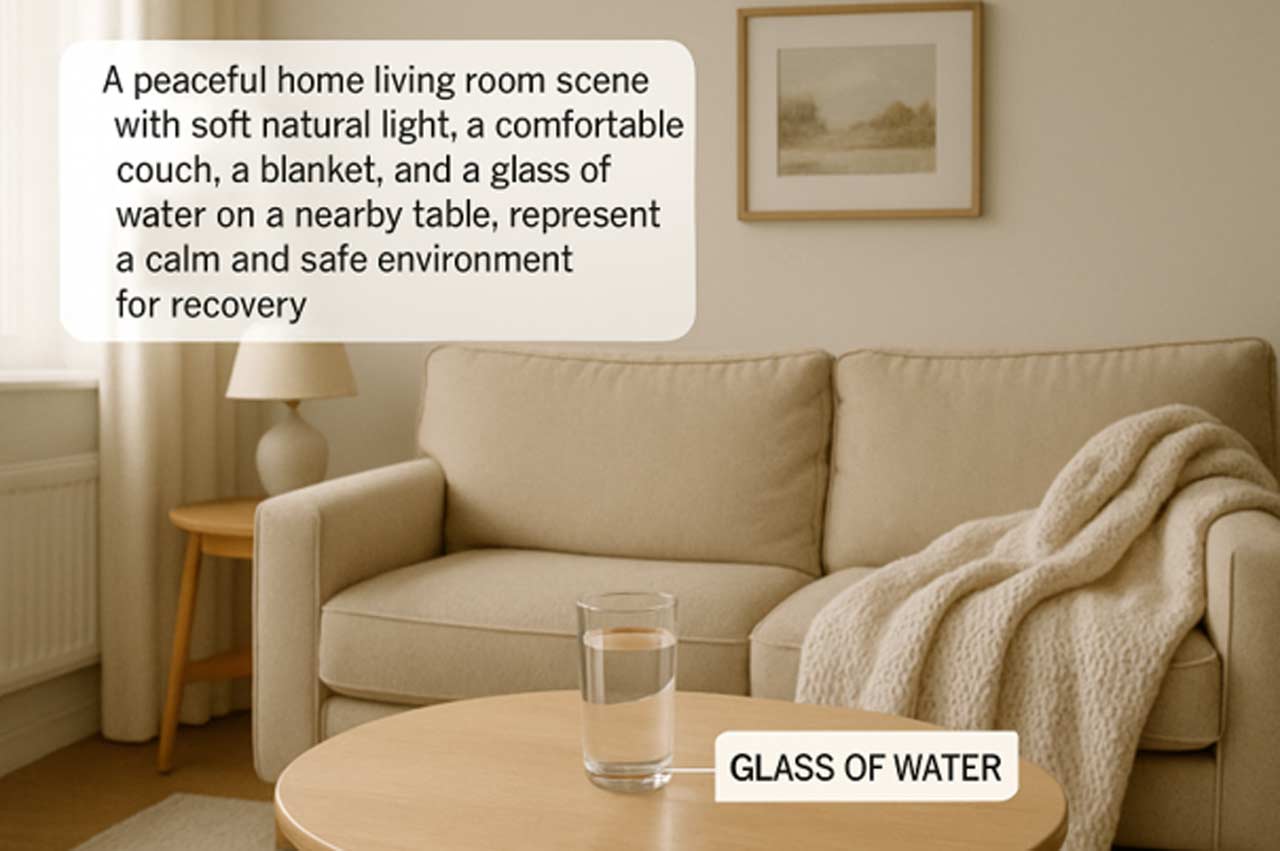
Privacy is one of the central benefits of choosing an at-home detox program. Detoxing at home allows individuals to avoid the public aspect of facility visits and experience the withdrawal process discreetly. This privacy can be empowering, especially for those who do not want their struggles with substance use to be widely known. In addition, the comfort of home, being surrounded by familiar spaces and personal items, can significantly reduce the anxiety often triggered in institutional environments. This added ease supports emotional stability, which is essential during this critical phase of recovery.


Personalized Care
At-home detox plans are often crafted to meet the specific needs of each individual, considering factors such as medical history, substance use patterns, and lifestyle. These customized programs can include tailored withdrawal timelines, nutrition recommendations, and individualized therapy sessions that integrate into everyday life. This level of flexibility often translates to reduced stress and better adherence to treatment. For comparison, traditional facilities tend to implement uniform schedules and routines, which may be beneficial for individuals who prefer more structure and community support. According to a recent review, the best choice depends greatly on personal needs and external support systems.
Before choosing an at-home detox, it is important to evaluate whether the specific circumstances support such an independent process. Reliable access to a supportive environment, from family or friends, plays a vital role in maintaining motivation and accountability throughout the journey.
Cost-Effectiveness
One practical advantage of at-home detox is reduced overall costs. Individuals do not have to pay for inpatient care, facility accommodations, or additional institutional fees. However, there are still expenses to consider, including medical consultations, prescription medications, and possible in-home support services. Proper budgeting and early assessment of these costs can help ensure that financial concerns do not disrupt the detox process and that all necessary resources remain accessible for safe progress. Major health authorities, such as the Centers for Disease Control and Prevention (CDC), strongly advocate that medical consultation should always accompany at-home care to maximize safety and outcomes.
Safety Considerations
While convenience and privacy are important, ensuring a safe detox is essential. Some substances present higher medical risks during withdrawal. For example, detoxing from alcohol or benzodiazepines without supervision can result in life-threatening complications such as seizures or heart problems. Therefore, a thorough evaluation by a healthcare professional is necessary before pursuing an at-home detox approach. If there is any question about safety or medical risks, traditional inpatient care may be the better option. Guidance and regular check-ins with a medical provider can help address health concerns quickly and reduce the likelihood of dangerous withdrawal symptoms, as outlined by Addicted.org.
Support Systems
A successful at-home detox relies on having a strong support system. Unlike residential facilities, at-home programs do not provide immediate access to professional staff. To fill this gap, involving supportive family and friends and joining virtual peer groups can be essential. These forms of support offer emotional encouragement, boost accountability, and provide practical help during difficult moments of withdrawal. Proactively creating a support network before beginning an at-home detox increases the chances of long-term success and a smooth transition into a substance-free lifestyle.
Conclusion
At-home detox programs provide a private, adaptable, and affordable route to recovery from substance dependence. To ensure success, individuals need to weigh their health status, the risks posed by withdrawal, and the strength of their support network. Medical supervision, even if remote, is a critical part of this process. By consulting healthcare professionals and involving trusted supporters, at-home detox can serve as a safe and effective option for many people seeking to regain control of their lives and health.