Feel-Good Investing is a Scam. Here’s How to Spot Ultra-Legitimate ESG Funds.
Discover How to Identify Ultra-Legitimate ESG Funds and Avoid Greenwashing


“Ethical investing” sounds inspiring. You put your money where your heart is — supporting companies that care for people and the planet. But here’s the catch: not every “green” or “responsible” investment is what it claims to be. In today’s world, where investors seek to do good while earning a profit, many so-called ESG Funds (Environmental, Social, and Governance funds) have become clever marketing tools rather than genuine forces for change.
At its core, ESG investing means putting money into businesses that protect the environment, treat people fairly, and follow honest governance practices. It’s the idea of investing with conscience — choosing companies that make a difference. But in reality, some of these funds simply look ethical on paper while hiding weak or even harmful practices underneath. This is called greenwashing in investing — when companies pretend to be sustainable just to attract investors.
The truth is, feel-good investing isn’t always real good investing. Many funds use fancy labels like “sustainable,” “ethical,” or “socially responsible,” yet their actual impact on the planet or society is minimal. This makes it hard for honest, eco-conscious investors to know where their money truly goes.
By the end of this post, you’ll learn how to spot authentic ESG funds — the ones that create real impact, show transparent sustainability metrics, and deliver both ethical and profitable returns. Let’s uncover how to separate authentic green funds from the noise, so you can invest responsibly, confidently, and smartly.


What Is ESG Investing — and Why Everyone’s Talking About It

You’ve probably heard the term ESG investing, but what does it really mean? Simply put, it’s a way of choosing investments based on more than just money. ESG stands for Environmental, Social, and Governance — three key values that help decide if a company is doing the right thing for people and the planet. When you invest in ESG funds, you’re putting your money into businesses that care about clean energy, fair treatment, and honest leadership.
So why is everyone talking about it? Because today’s investors — especially younger ones — want more than profit. They want to make a difference while building their wealth. This rise in sustainable investing and ethical finance is changing how the world thinks about money. People want to support companies that reduce pollution, respect workers, and promote equality. In short, they want their money to reflect their values.
This movement has sparked what experts call “feel-good finance.” It’s not just a buzzword — it’s now a massive global trend worth over $30 trillion. From big corporations to small funds, everyone wants to look “green” and “responsible.” But here’s where the problem starts — not all ESG claims are true. Some companies only act sustainably on paper to attract investors.
As you read on, you’ll discover how to tell real ESG investing apart from the marketing smoke, so you can invest with conscience, confidence, and clarity.
The Dark Side of Feel-Good Investing

Not all that glitters is green. While ESG funds promise ethical investing and positive impact, some companies and investment funds use these labels purely as a marketing gimmick. This practice, known as greenwashing in investing, tricks investors into thinking their money supports sustainability — when in reality, it often doesn’t.
So, what does greenwashing look like? Companies may highlight minor eco-friendly efforts while ignoring harmful practices. Some funds score high on ESG ratings because they meet certain technical criteria, yet their portfolios include businesses that pollute the environment, exploit workers, or ignore social responsibilities. In short, the numbers may look good, but the impact is weak.
For example, a few funds once praised for their ESG performance were later found investing in industries like fossil fuels or tobacco. Despite appearing sustainable on paper, these investments contradicted the very values they claimed to support. Investors who relied only on ESG labels were misled, thinking they were making responsible choices.
This is why it’s essential to look beyond the ratings. True responsible investing requires checking transparency, sustainability reports, and actual company practices. By understanding these greenwashing tactics, you can spot which ESG funds are genuinely creating change and which are just capitalizing on the feel-good investing trend.
In the next sections, you’ll learn how to separate authentic ESG funds from deceptive ones — ensuring your investments truly reflect your values while remaining profitable and impactful.
How ESG Funds Are (Supposed to Be) Rated
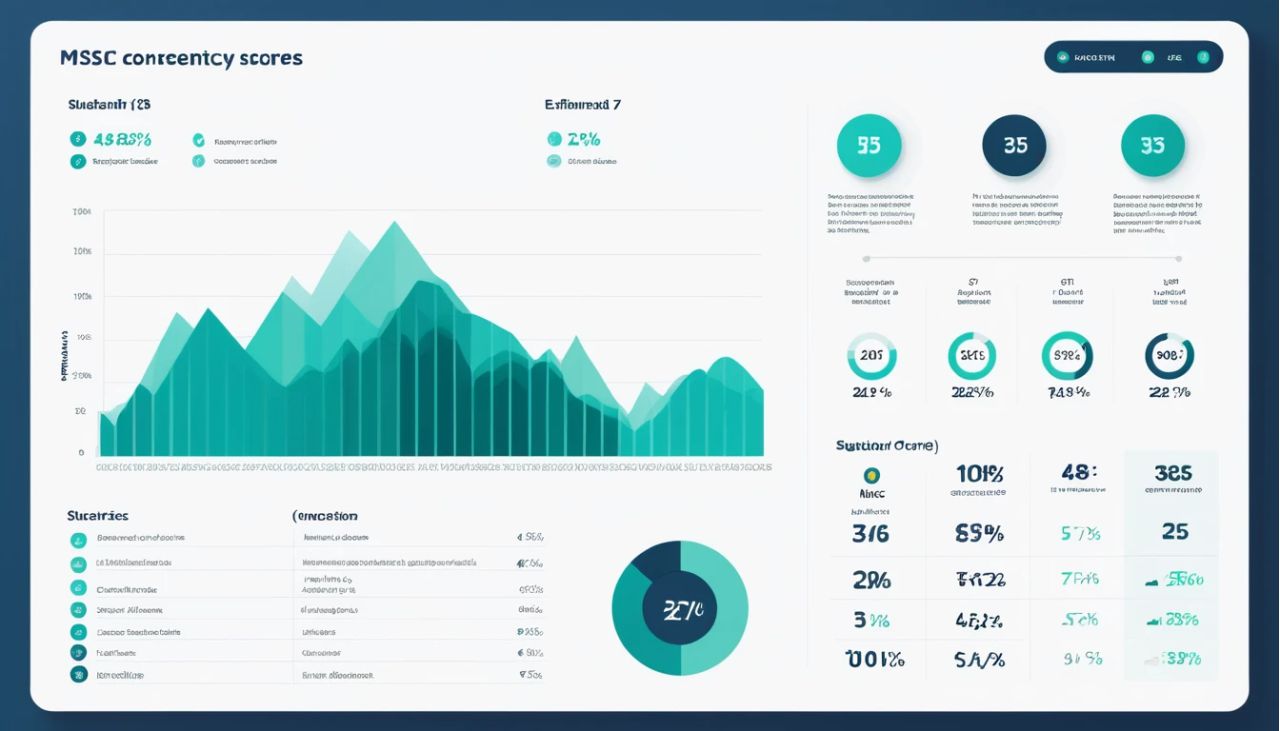
When it comes to ESG funds, ratings play a big role in shaping investor decisions. Organizations like MSCI and Sustainalytics provide ESG scores that measure how well companies follow environmental, social, and governance practices. These scores look at things like carbon emissions, labor policies, board diversity, and corporate ethics. Ideally, a high score should mean the fund is truly sustainable and responsible.
However, ESG scoring systems often lack consistency and transparency. Different rating agencies use different methods, weights, and data sources. This means a fund can score very differently depending on which ESG provider you check. For investors, this can be confusing. A fund may look eco-friendly on one report but fail to meet expectations in reality.
Even more concerning is the loophole problem. Some companies know how the scoring systems work and adjust their reports to appear more sustainable than they actually are. They may highlight minor green initiatives, avoid disclosing negative practices, or focus only on areas that influence ratings. As a result, a fund might earn high ESG scores while still investing in polluting industries or unethical businesses.
This is why relying solely on ESG ratings can be risky. True responsible investing requires digging deeper — checking transparency, verifying ESG compliance, and looking at actual impact metrics rather than just numbers on a page. Understanding how ESG ratings work and their limitations is the first step toward spotting authentic ESG funds and avoiding misleading or feel-good investing traps.
Signs of a Legitimate ESG Fund

Not all ESG funds are created equal. To make sure your money goes where it truly matters, you need to know the green flags and red flags. Red flags include vague sustainability claims, missing reports, or heavy investments in industries that contradict ESG values. Green flags show clear impact, transparent reporting, and proof that the fund follows responsible practices.
Ultra-legitimate ESG funds prioritize measurable impact, meaning they track real-world results like reduced carbon emissions, fair labor practices, or board diversity improvements. They also offer transparent reporting, so investors can see exactly where their money goes. Many even use third-party verification to prove their claims are accurate and unbiased. These are the funds that earn trust and deliver real, sustainable investing results.
Before investing, ask these five essential questions:
- Does the fund provide clear, measurable ESG outcomes?
- Are the investments aligned with genuine environmental, social, and governance practices?
- Is there independent, third-party verification of ESG claims?
- Does the fund disclose its full portfolio and investment strategy?
- Has the fund avoided industries or companies that conflict with ESG principles?
By checking for these signs, you can separate authentic ESG funds from those that only promise a feel-good image. Investing responsibly means researching beyond labels, understanding ESG transparency, and choosing funds that truly create a positive impact. With careful evaluation, your investments can support both ethical growth investing and profitable returns.
This approach ensures your money works not just for you, but also for a better, sustainable future.
Real Impact vs. PR: What Investors Should Look For

When it comes to ESG funds, not everything that looks green actually makes a difference. Many funds focus on public relations — flashy reports, nice logos, and feel-good marketing — instead of delivering real impact. As an investor, your job is to look beyond the labels and see whether the fund’s investments truly align with sustainability goals.
Start by checking for tangible, audited results. Some funds show measurable outcomes, like reducing carbon emissions, improving water usage, or supporting fair labor practices. For example, certain sustainable energy funds provide verified reports on how much clean energy they generated or how many communities benefited from their projects. These are the funds that prove their claims instead of just talking about them.
Why does this matter? Because impact measurement often gives a clearer picture than ESG ratings alone. Ratings can be inconsistent, manipulated, or overly broad. But when a fund demonstrates real-world results with clear metrics and third-party verification, you can trust that your investment is truly responsible.
To evaluate a fund effectively, look for:
- Transparent reporting of projects and outcomes
- Independent verification of claims
- Clear evidence of positive environmental or social change
By focusing on authentic ESG funds that prioritize impact over PR, you can ensure your money supports companies that are genuinely making a difference. Remember, investing responsibly isn’t just about following trends — it’s about putting your money where it creates the most ethical and sustainable value.
Financial Returns: Are Real ESG Funds Still Profitable?
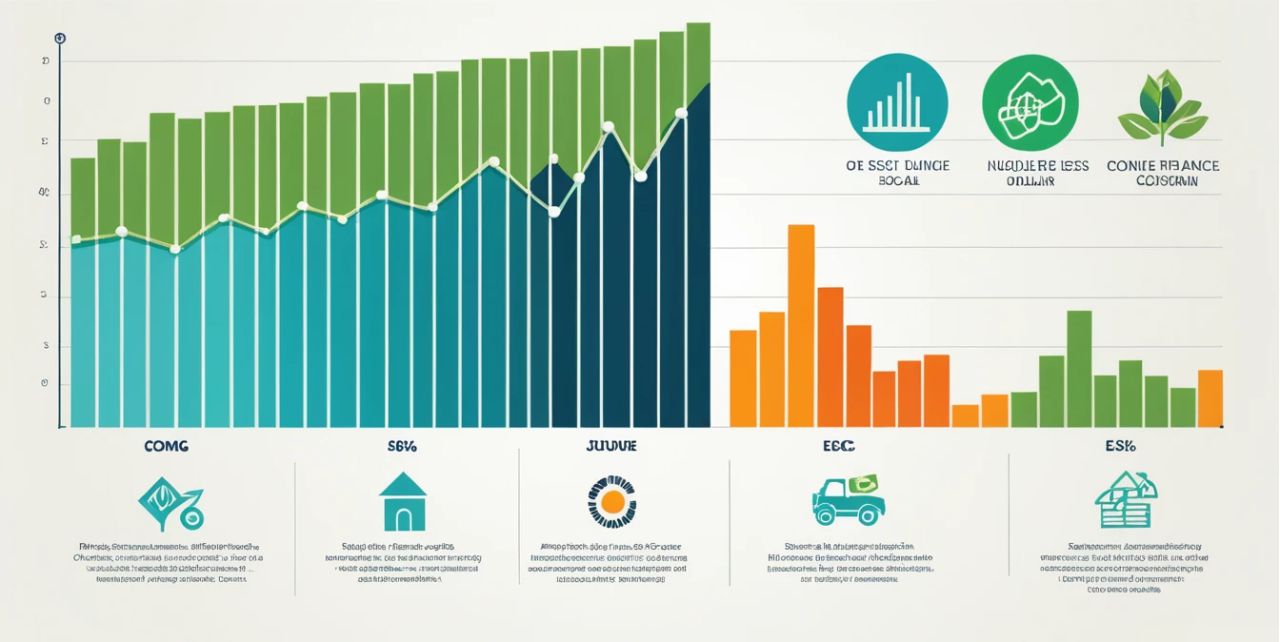
Many people think ethical investing means sacrificing profits. But that’s a myth. In reality, authentic ESG funds can be both responsible and profitable. Companies with strong environmental, social, and governance practices often manage risks better, innovate faster, and build long-term value. This makes them attractive not just for eco-conscious investors, but also for anyone seeking sustainable returns.
Data shows that funds with genuine sustainability goals often perform as well as — or even better than — traditional funds. Strong corporate governance reduces financial risk, while investments in clean energy, fair labor, and social impact can create stable growth over time. Investors are beginning to realize that responsible investing is not just a moral choice, but a smart financial strategy.
Take, for example, ESG portfolios focused on renewable energy or ethical technology companies. These funds have delivered consistent returns while also achieving measurable environmental and social impact. Investors not only see their capital grow, but they also invest with conscience, supporting companies that truly make a difference.
In short, real ESG funds prove that you don’t have to choose between profit and purpose. By selecting funds with transparent reporting, measurable impact, and strong governance, you can enjoy financial growth while contributing to a sustainable future.
Investing in authentic ESG funds is a win-win: your money grows, and the world benefits. With careful research and attention to impact metrics, ethical investing can truly be both rewarding and profitable.
How to Research and Vet ESG Funds Like a Pro

Investing in ESG funds can be rewarding, but only if you know how to research and vet them properly. Not all funds with “green” labels are authentic. With the right steps, you can spot the ones that truly make a difference.
First, start with transparency. Check the fund’s reports and portfolios. Look for measurable outcomes, third-party verification, and clear ESG goals. Avoid funds that hide information or provide vague claims.
Next, use trusted platforms and databases for ESG analysis. Resources like MSCI ESG Ratings, Sustainalytics, and Morningstar Sustainability provide detailed scores and insights into environmental, social, and governance practices. These tools help you compare funds and spot any inconsistencies in their ESG claims.
Third, verify impact data. True ESG funds will share audited reports showing results such as reduced emissions, community development, or fair labor practices. Look for tools that track real-world impact, not just marketing claims. Websites like CDP, GRESB, or company sustainability disclosures are great starting points.
Finally, ask questions before investing:
- Are the ESG metrics measurable and audited?
- Does the fund avoid industries that conflict with ESG principles?
- Are the claims verified by independent organizations?
By following these steps, you can confidently choose authentic ESG funds that combine ethical investing with strong financial performance. With careful research, your investments can support responsible asset management, sustainable growth, and a future that aligns with your values.
Invest smart, stay informed, and make your money work for both profit and purpose.
Beyond ESG: The Rise of Impact and Regenerative Investing

The world of ESG funds is evolving. Today, next-gen investors want more than just labels. They are moving beyond ESG, seeking investments that create real-world impact and measurable change. This shift focuses on substance over slogans, ensuring money supports companies that truly make a difference.
To understand this evolution, it helps to compare ESG, SRI (Socially Responsible Investing), and Impact Investing. ESG funds screen companies based on environmental, social, and governance practices. SRI goes further, avoiding harmful industries like tobacco or fossil fuels. Impact investing, however, prioritizes direct, measurable social and environmental outcomes, aiming for projects that actively improve communities, reduce carbon emissions, or protect ecosystems.
This shift reflects a desire for authentic green investing. Investors no longer want funds that look responsible on paper but fail to deliver. Instead, they seek transparent sustainability metrics, verified results, and funds that align with their values. The focus is on long-term impact, not marketing labels.
Regenerative investing is the next step, going beyond sustainability to restore and improve the environment. These funds actively repair damage, rather than just avoiding harm. By supporting such strategies, investors combine ethical money management with profitable returns.
As the future of responsible investing unfolds, the key lesson is clear: don’t just follow ESG labels — invest with purpose, verify impact, and choose funds that truly make a difference. With careful selection, your money can grow while creating lasting positive change.
How Regulators Are Cracking Down on Fake ESG Claims
As ESG funds grow in popularity, regulators around the world are taking notice. Recently, organizations like the SEC in the United States, the EU’s Sustainable Finance authorities, and other global regulators have started cracking down on fake ESG claims. Their goal is simple: to stop greenwashing in investing and make the market more honest for investors.
These actions include requiring funds to disclose true sustainability metrics, verify ESG claims through independent audits, and avoid misleading marketing. For example, some funds that previously labeled themselves “eco-friendly” are now being forced to provide clear evidence of impact and responsible practices. This increases ESG transparency, helping investors make informed decisions rather than relying on flashy labels.
In addition, stricter regulations are shaping a more credible ESG market. Companies and funds that genuinely prioritize environmental, social, and governance goals are rewarded, while those that attempt to mislead investors face penalties. This creates a system where authentic ESG funds stand out and fake claims lose their appeal.
Investors should welcome these changes. Stricter standards mean your money goes to companies that truly create positive social and environmental impact. With reliable ESG ratings, audited reports, and verified data, you can confidently choose responsible investing opportunities that align with both your values and financial goals.
In short, regulation is not a limitation — it’s a protection. By embracing these rules, investors can finally separate real ESG funds from marketing gimmicks and invest responsibly, profitably, and with peace of mind.
Final Thoughts: The Smarter Way to Invest with Purpose
So, what did we learn? “Feel-good investing” may sound wonderful, but it’s not always what it seems. Many funds wear a green label but fail to make a real difference. Yet, true ESG investing can still be both ethical and profitable — when done with care, research, and conscience. Real ESG Funds focus on impact, transparency, and responsible investing — not just pretty words.
Before you trust any ESG label, take a step back. Ask questions. Look for proof. Study the sustainability reports, ESG ratings, and real-world results. Don’t let marketing promises fool you — your money has power, and you deserve to know where it’s going.
When you choose authentic green funds, you support companies that protect the planet, value people, and grow profitably. That’s what sustainable investing truly means — a balance between doing good and earning well.
Now it’s your turn to make a difference. Share this post with friends and family so they can learn how to spot legitimate ESG funds, too. Let’s spread the truth about ethical investing and help more investors see beyond the labels.
Want to grow smarter with your money? Explore more of our blogs on business and finance — packed with insights on ethical money management, impact investing, and how to invest responsibly and profitably. Because when you invest with purpose, you invest in a better future for all.
Invest smart & true with conscience.