Experiencing shaking or vibrations when braking can be alarming, uncomfortable, and sometimes dangerous. It often signals an underlying problem with your vehicle that requires professional attention from a trusted auto repair near me. Timely brake repair is essential not only for comfort but also for safety, as driving with worn or damaged components can increase stopping distances and risk accidents. Understanding the causes of brake vibrations, identifying warning signs, and taking preventive measures helps maintain optimal braking performance and keeps you confident behind the wheel.
Common Reasons Your Car Shakes When Braking
If your car shakes when you press the brake pedal, it usually points to specific issues in the braking system. Identifying the root cause early can save money, prevent further damage, and ensure your brakes function safely and efficiently. For drivers in the area, visiting a trusted brake repair Houston, TX shop ensures professional service, restores smooth braking, and keeps your vehicle safe on the road.
Warped Brake Rotors
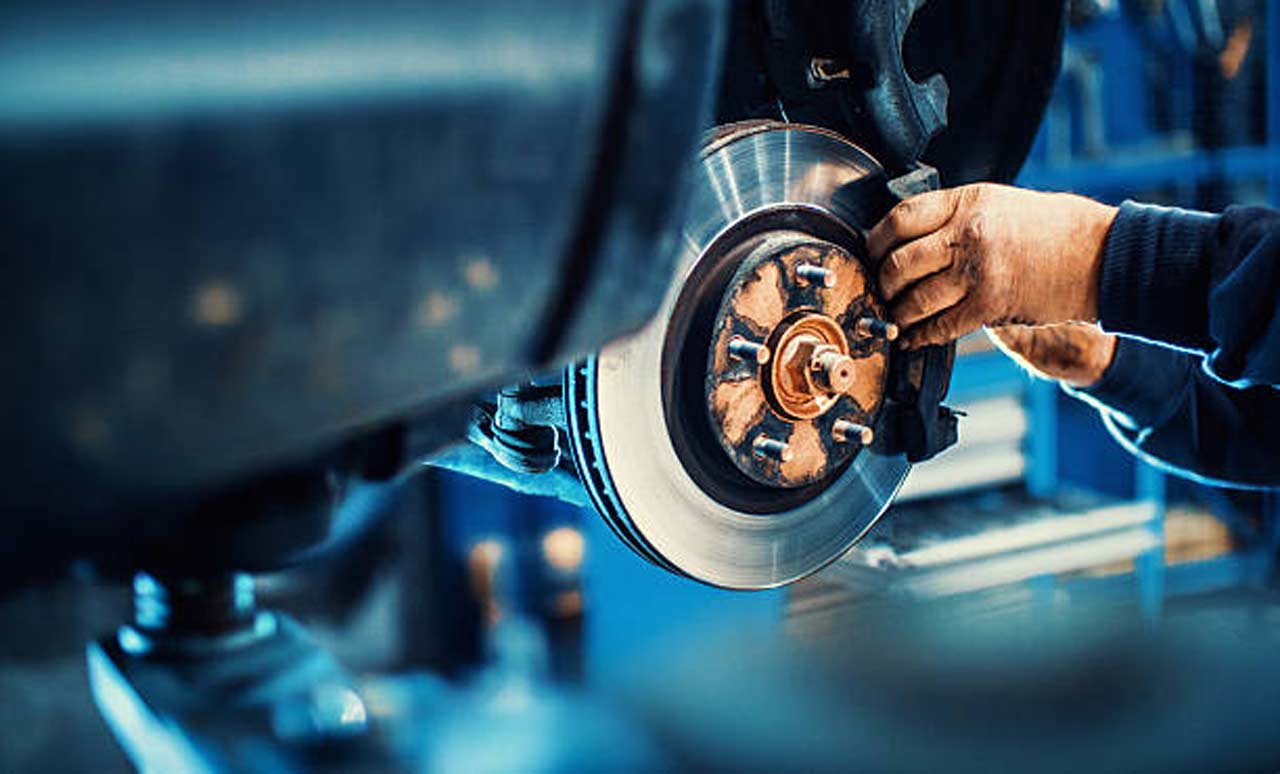
One of the most frequent causes of brake pedal vibration is warped brake rotors. Heat buildup from repeated braking can warp the rotor surface, creating uneven contact with the brake pads. This uneven friction results in noticeable pulsing or shaking when you apply the brakes, especially at higher speeds, affecting overall control.
Worn Brake Pads
Worn brake pads are another common reason for vibrations. Over time, pads lose thickness and may not engage the rotor evenly, causing a pulsing or shaking feeling in the brake pedal. Replacing worn pads restores smooth braking and prevents further damage to the rotors or calipers.


Suspension or Steering Issues
Problems in suspension or steering components, such as worn ball joints, control arms, or wheel bearings, can amplify vibrations during braking. Even if your brakes are in good condition, these worn parts can compromise stability, making steering feel uneven and the braking experience less safe.
Sticking or Uneven Brake Calipers
Brake calipers that are sticking or applying uneven pressure can also cause shaking. When a caliper does not clamp the rotor evenly, the braking force becomes inconsistent across the wheel. This creates a pulsing sensation in the pedal and can affect stopping distance and control.
Brake Rotor Problems
Brake rotors provide a smooth surface for brake pads to grip, ensuring proper braking. Over time, heat from repeated braking can warp the rotors, especially in hilly areas or heavy traffic. Warped rotors create uneven friction, causing vibrations in the steering wheel or brake pedal. Variations in rotor thickness from wear or improper resurfacing can make shaking worse. Timely rotor resurfacing or replacement restores smooth braking and improves safety.
Tire or Wheel Imbalance
Uneven tire wear, bent rims, or unbalanced wheels can also create vibrations that feel like brake-related issues. When you brake, the force highlights existing imbalances, causing shaking in the steering wheel or seat. Regular tire balancing and alignment checks help prevent this problem.
Wheel Alignment Problems
Misaligned wheels cause uneven tire contact and inconsistent braking pressure across all tires. When you hit the brakes, this misalignment may make the car pull to one side or vibrate. Realigning your wheels improves handling and ensures smoother braking. It also helps extend tire life and prevents uneven wear, keeping your vehicle stable and safe on the road.
Contaminated or Low Brake Fluid
Low or contaminated brake fluid can affect brake pressure and cause inconsistent braking performance. It may not directly cause shaking, but it can make the pedal feel soft or spongy, which can be mistaken for vibration. Regular fluid checks keep your braking system responsive and safe.
ABS (Anti-Lock Brake System) Malfunctions
If the ABS activates unnecessarily or malfunctions, you may feel pulsations or vibrations in the brake pedal. A warning light on your dashboard usually indicates an ABS issue. Professional diagnostics can confirm if the system needs repair or recalibration, ensuring your brakes respond smoothly and maintain proper traction during sudden stops.
Other Causes of Brake Vibrations
While rotors are the most common culprit, several other factors can cause shaking during braking.
- Uneven or worn brake pads reduce contact with the rotor surface, causing pulsing or vibration.
- Suspension or steering issues, such as worn tie rods, control arms, or wheel bearings, can amplify braking vibrations.
- Brake caliper malfunctions, including sticking or uneven pressure distribution, may also lead to shaking during stops.
Addressing these issues early prevents further damage to the braking system and other vehicle components.
Trusted Brake Repair in Houston
For drivers in Texas looking for reliable brake services, Eric Car Care offers professional solutions for all brake-related issues. Their ASE-certified technicians perform detailed brake inspections, replace worn brake pads, resurface or replace rotors, and provide full brake system repair for any vehicle make or model.
Eric Car Care focuses on using high-quality parts and industry-approved techniques to restore braking performance and ensure your safety. Whether your car is shaking, making noise, or simply due for routine maintenance, you can count on Eric Car Care for honest, dependable, and affordable brake services.Book your appointment today and keep your brakes in peak condition, ensuring smooth, safe stopping every time you drive.