 Owning a car today is both a convenience and a responsibility. While it offers freedom of movement, it also exposes you to the constant risk of accidents, theft, or damage caused by unpredictable road conditions. Car insurance acts as a safety net against these risks, ensuring that unexpected costs do not derail your financial plans.
However, with cars becoming more complex and expensive to repair, the limitations of traditional insurance policies are becoming clearer. This is where bumper to bumper car insurance—also known as zero-depreciation cover—comes into play. It provides an extra layer of protection by covering the entire cost of repairs or part replacements without deducting depreciation.
What Standard Car Insurance Covers
A standard car insurance policy in India usually includes two components—third-party liability and own-damage coverage.
- Third-party liability insurance is mandatory under the Motor Vehicles Act. It covers injury, death, or property damage caused to another person in an accident.
- Own-damage insurance is optional but essential. It covers losses to your own vehicle due to accidents, theft, fire, natural disasters, or vandalism.
Together, they form a comprehensive car insurance policy. While this offers broad protection, it still comes with one important limitation: depreciation.
Every year, a car’s parts lose value due to wear and age. When you file a claim, insurers factor in this depreciation and reimburse you only for the reduced value of the replaced parts. This means you still have to pay a portion of the repair cost out of pocket—even if you have comprehensive coverage.


The Need for bumper to bumper car insurance
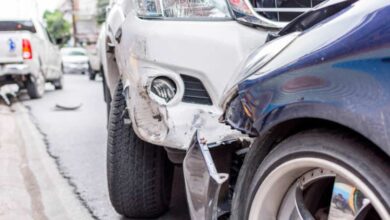
Modern vehicles come with advanced technology, delicate sensors, and expensive body parts. Even a minor collision can lead to high repair bills. In such cases, standard insurance often falls short because it pays only the depreciated value of parts like bumpers, fenders, or headlamps.
A bumper to bumper car insurance policy eliminates this gap. It ensures that the insurer pays the full cost of replacing or repairing damaged parts without factoring in depreciation. The result is near-total coverage that significantly reduces your out-of-pocket expenses.
How Bumper-to-Bumper Cover Works
When you add a zero-depreciation or bumper-to-bumper add-on to your base policy, the insurer agrees to bear the complete cost of replacing car parts damaged in an accident. Plastic, rubber, fibre, and metal components—all of which normally attract depreciation deductions—are covered at 100%.
For example, suppose your car’s bumper and headlamp are damaged in a minor collision. Under a standard comprehensive policy, you might receive 70% of the cost after depreciation. Under a bumper-to-bumper policy, you get the full amount, leaving you to pay only the compulsory deductible, if any.
This add-on is especially beneficial for new or high-value cars where even small repairs can be expensive.
Key Benefits of Bumper-to-Bumper Insurance
Full Repair Cost Coverage
Depreciation on car parts can range between 30% and 50% depending on age and material. A bumper-to-bumper policy removes this deduction, ensuring you get maximum reimbursement.
Protection for Expensive Components
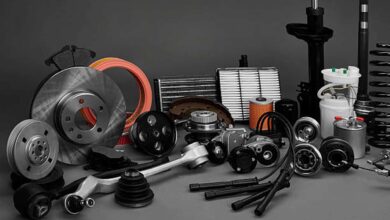
Modern vehicles often have sensors and plastic fittings integrated into bumpers and mirrors. These parts are costly to replace, and a zero-depreciation policy covers them fully.
Lower Out-of-Pocket Expenses
Without depreciation cuts, your contribution during claims drops dramatically. The insurer handles most of the repair bill, easing financial pressure.
Higher Claim Value
Since the payout is based on actual replacement costs rather than depreciated value, you receive a more accurate settlement that truly covers the damage.
Peace of Mind for New Cars
For the first few years of ownership, when depreciation is steepest, this cover keeps your car practically as protected as the day you bought it.
What’s Not Covered
Although bumper-to-bumper insurance offers near-total protection, it still comes with certain exclusions and conditions.
- Regular wear and tear such as tyre or battery degradation is not covered.
- Mechanical failures unrelated to an accident are excluded.
- Engine damage caused by oil leakage or hydrostatic lock may not be covered unless you add an engine protection rider.
- Commercial or illegal use of the vehicle voids coverage.
- Limited number of claims: Many insurers cap zero-depreciation claims to two or three per policy year.
Understanding these boundaries helps avoid surprises at the time of claim.
Who Should Consider It
A bumper to bumper car insurance policy is ideal for:
- Owners of new cars up to five years old.
- Drivers of premium or luxury vehicles with expensive parts.
- Residents of cities with heavy traffic or frequent accidents.
- Those who want hassle-free claim settlements without negotiations over depreciation.
As vehicles age, insurers may limit eligibility for zero-depreciation coverage or charge higher premiums for renewal.
Cost Considerations
Adding a bumper-to-bumper cover increases your premium slightly, usually by 10% to 20% compared with standard comprehensive policies. However, the additional cost is minimal compared to potential savings during claims. For instance, a single repair involving bumper replacement and headlamp assembly can cost more than the annual premium difference.
When evaluating cost, focus on long-term value rather than short-term savings. For new cars, this add-on almost always pays for itself within the first claim.
How to Buy or Add Bumper-to-Bumper Cover
You can purchase bumper to bumper car insurance online through the insurer’s website or authorised aggregators. The process is simple:
- Visit the insurer’s platform and enter your vehicle details.
- Choose a comprehensive plan and select the “zero-depreciation” or “bumper-to-bumper” add-on.
- Review inclusions, exclusions, and claim limits.
- Complete payment securely and download your digital policy instantly.
If you already have a comprehensive policy, you can add this cover at renewal. It’s best to inspect your vehicle before renewal, as insurers may require a physical check for older cars.
Claims and Settlement Process
Filing a claim under bumper-to-bumper insurance is the same as with regular comprehensive coverage. Notify the insurer immediately after an accident, visit a network garage, and fill out the claim form. The insurer assesses the damage, and after approval, the garage completes repairs on a cashless basis.
Because depreciation is waived, your payable amount will typically include only compulsory deductibles and any expenses outside policy terms, such as personal accessories or non-standard parts.
Final Thoughts
A car insurance policy is an intelligent upgrade to standard comprehensive coverage. It ensures that depreciation never limits your claim, offering full reimbursement for repairs and replacements. For new or high-value cars, this small premium addition translates into significant peace of mind and tangible financial protection.
While third-party coverage keeps you legally compliant and comprehensive insurance protects your car, a bumper-to-bumper plan bridges the gap between coverage and actual repair cost. It turns car insurance into a true shield—one that keeps both your vehicle and your budget safe from unexpected setbacks.
Whether you are buying a new car or renewing your existing policy, considering this add-on is one of the simplest and smartest decisions you can make as a car owner.