The Future Of Inverter Batteries: How Smarter Energy Storage Is Powering Tomorrow’s Homes

 Just a few years back, power cuts were a matter of “nostalgia”. Now, people get irritated the moment they hear it. And this shift is why uninterrupted power supply systems have been on the rise now.
Be it an inverter, UPS, or other systems, they’re what is in demand now, and that’s because people tend to value uninterrupted power supply and convenience. Everyone talks about inverters, but no one talks about inverter batteries.
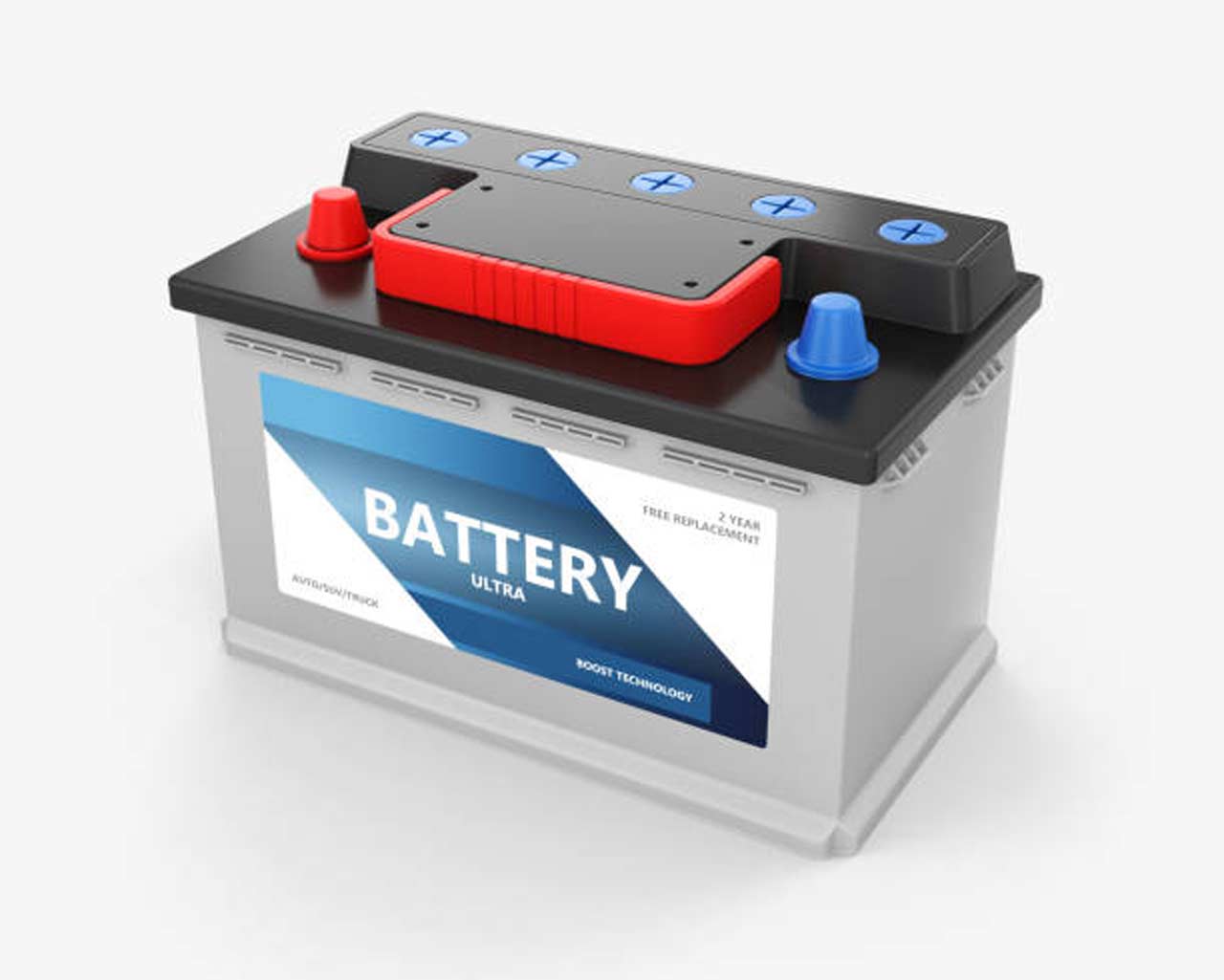
Inverter batteries are what power the inverter system, allowing you to enjoy the uninterrupted Netflix shows or do your work without much worry. But have you ever wondered exactly how these batteries have evolved? In this article, we’ll go over the journey of inverter batteries and what the future holds.
What’s Driving the Evolution of Inverter Batteries?
Now, it’s evident that inverter batteries have evolved leaps and bounds. But have you ever wondered why these innovations happened in the first place? There are a couple of reasons for that, including:
Changing Consumer Expectations
The customer has now gotten smart, they want their inverter batteries not only to provide an uninterrupted power supply, but provide backup for longer durations, and charge quite faster. In any industry, customer demand is the driving force for innovation, and inverter batteries are no different.


Grid Instability & Urban Load Growth
Businesses grow when they innovate to solve real customer problems. In many regions, frequent power cuts remain a major challenge. Inverters have effectively addressed this issue. This drives widespread adoption and sparks further innovation in the power solutions space.
The Rise of Renewable Energy at Home
The government of India has been subsidizing solar energy for a while now, and people have started to care more and more about the environment, which is why innovation has driven in this field, driving more and more customers.
Key Benefits of Smarter Energy Storage in Inverter Batteries
Now, there are many benefits of having innovation in the inverter batteries. They are:
- Energy Independence: Take charge of your power supply, depend less on the grid, and make your own energy from renewable sources.
- Lower Energy Costs: To save money, store energy while demand is low and use it when demand is high.
- Impact on the Environment: Use clean energy more efficiently and rely less on fossil fuels to cut carbon emissions.
- Scalability: BESS solutions can be made bigger or smaller to satisfy different energy needs, from single-family homes to whole power grids.
- Smart Integration: A lot of devices come with AI-powered software that can do things like predictive analytics, automatic controls, and energy efficiency.
Key Innovations in Inverter Batteries
There have been a lot of innovations in inverter batteries recently, and the table below explains them in detail.
| Battery Type | What It Means | Why It Matters for Homes |
| Advanced Lead-Acid Innovations | These are the upgraded versions of the traditional inverter batteries. They use better plate designs and improved cooling, so they run smoother and last longer. | – They now charge faster and handle more cycles.
– Still one of the most affordable options. – Easy to recycle, which makes them eco-friendly. |
| Lithium-Ion for Home Backup | These batteries are light, efficient, and can be charged and discharged many times without wearing out. They work especially well in homes that use solar power every day. | – Great for daily use, not just backup.
– Perfect for storing extra solar energy. – Challenges include higher cost and the need for good safety management. |
| Emerging Chemistries (LFP, Solid-State, Sodium-Ion) | These are the next-gen battery types that are designed to be safer, more stable, and more powerful. They offer higher energy density and faster charging. | – Safer for long-term home storage.
– Store more energy in a smaller space. – Could change how home batteries are built in the future. |
Key Considerations for Homeowners Choosing Next-Gen Inverter Batteries
Now, before you go ahead and decide to invest in inverter batteries, there are some key considerations you need to make before you can buy a good battery on a budget.
Usage & Load Requirements
Make sure you pick a battery that has enough capacity to power your home appliances during a power cut for a good duration. The easiest way to do this is by simply making a list of appliances and their wattage and calculating them accordingly. This will make sure you get the exact battery that you’ve been looking for.
Solar Compatibility
If you’re buying inverter batteries, it is your responsibility to make sure that it is compatible with Solar power systems. This is because Solar power systems allow you to reduce your electricity bills, and are quite reliable, especially in the scorching heat of India.
Energy Efficiency & Smart Features
Make sure the battery has a good number of modern features. Features like Monitoring tools, AI-based optimization, and charging intelligence make your experience worthwhile, while also making sure that your battery isn’t over- or undercharged.
Safety Features & Build Quality
Make sure that your inverter battery comes with the best safety features. Features like Overload, temperature, and short-circuit protection aren’t just ‘nice to have”, but are also a necessity, as inverter batteries can and have caused disasters. Also, certifications and compliance are something you should keep an eye on.
Maintenance & Lifecycle Costs
Keep this as a rule of thumb: The longer the battery lasts, the more money you save in the long run. This is why it is better to spend a little extra on the quality upfront.
Conclusion
With all these innovations, there is no doubt that the Inverter batteries have evolved quite a lot. It is due to these innovations that more and more people are looking forward to installing inverters in their homes. If you’re looking for a good quality inverter battery, it is better to invest in a brand that has the trust of people and has a good reputation on the market.