Beyond the Beat: Why Understanding Bloodborne Risks Strengthens CPR Training and Community Safety

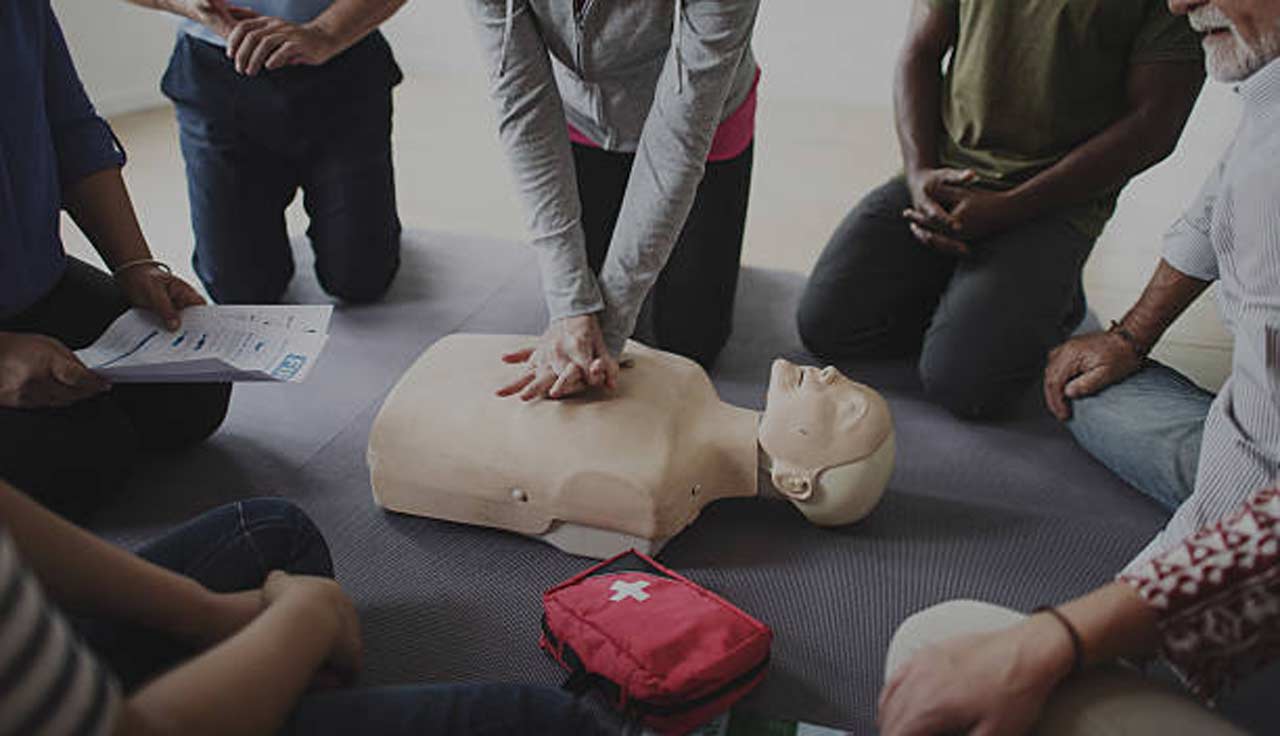
Health education today goes far beyond manuals and mock drills—it’s about integrating knowledge, behavior, and awareness to protect life in every sense. For those training in CPR or first aid, understanding bloodborne pathogens and sexually transmitted diseases (STDs) is not just a safety precaution—it’s an essential part of responsible caregiving.
When responders grasp the realities of infection transmission, they don’t just learn to save lives—they learn to protect them holistically. This powerful intersection between bloodborne certification and awareness of infection control is reshaping the future of emergency response, public health, and compassion in care.
The Hidden Risks in Emergency Response
Every CPR trainee starts with a clear goal: to be ready when someone’s life depends on it. Yet, the act of saving a life can sometimes expose responders to unseen dangers. During resuscitation or first aid involving open wounds or bodily fluids, the risk of contact with bloodborne pathogens such as hepatitis B, hepatitis C, and HIV becomes real.
That’s why bloodborne certification is indispensable. It equips trainees with vital skills to recognize, prevent, and handle exposure risks safely. Trainees learn about transmission routes, how to use protective barriers, and how to manage contaminated materials. In essence, it transforms willingness into safe, informed action.


Integrating an understanding of STD transmission deepens this awareness. While not all STDs are spread through emergency response, knowledge about how infections like HIV work underscores the importance of universal precautions. The objective isn’t fear—it’s respect for biological realities and informed protection.
Linking CPR and Sexual Health Awareness
The core principles behind CPR—prevention, prompt response, and awareness—mirror those that guide sexual health. In both contexts, education is the true lifesaver. When people understand how infections spread, they’re more likely to act responsibly, whether by wearing gloves during first aid or seeking affordable STD testing after possible exposure.
For CPR trainees, this connection bridges two critical aspects of health: emergency preparedness and disease prevention. Both rely on knowledge, not assumptions. Understanding that no one can “look” infected reinforces the importance of universal precautions—treating every case with equal care and respect.
Integrating STD awareness into CPR and first aid programs also makes the training more human-centered. It reminds learners that health isn’t just about heartbeats—it’s about dignity, consent, and protecting one another beyond the crisis.
The Role of Bloodborne Certification in Prevention
Modern bloodborne certification programs extend far beyond the basics. They include practical lessons on infection control, the science behind disease transmission, and the proper use of gloves, masks, and sanitization tools. This knowledge empowers responders to act confidently and safely in any emergency.
Just as CPR buys critical time during cardiac arrest, infection control training safeguards long-term health. Both require composure, precision, and respect for protocol. A properly trained responder doesn’t just prevent immediate danger—they also prevent potential infections that could harm themselves or others later on.
Most importantly, these programs reinforce an ethical standard: self-protection is an integral part of protecting others. A responder who is safe is a responder who can continue to serve.
Affordable STD Testing: Completing the Circle of Care
Even with rigorous precautions, emergencies can be unpredictable. If exposure to bodily fluids occurs, timely follow-up is crucial. Access to affordable STD testing ensures that responders can act without hesitation, removing the financial and social barriers that often delay care.
This accessibility promotes a culture of proactive health and shared responsibility. Testing becomes a sign of wisdom—not weakness. Just as CPR training empowers individuals to act during a crisis, testing empowers them to take control of their health afterward.
Incorporating guidance on what to do after potential exposure within CPR and first aid education closes the loop of care, linking prevention, protection, and recovery in a single, continuous chain of responsibility.
Beyond Training: Building a Culture of Safety and Respect
When CPR trainees understand the realities of STD and bloodborne pathogen transmission, they bring a deeper level of empathy and professionalism to their work. Every emergency becomes not just a task, but a moment of shared humanity.
Communities that promote affordable STD testing and encourage bloodborne certification cultivate more than safety—they nurture respect. Stigma fades, knowledge spreads, and people begin to see health not as a set of isolated actions, but as a shared commitment to one another’s well-being.
Workplaces, schools, and volunteer programs that integrate these lessons build not only safer environments but also compassionate ones—where saving a life includes preserving trust and dignity.
Knowledge: The Ultimate Safety Gear
Protective equipment—such as gloves, masks, and disinfectants—is essential, but the most powerful protection any responder can carry is knowledge. Understanding bloodborne and STD transmission replaces hesitation with confidence and transforms fear into informed compassion.
When combined with bloodborne certification, that knowledge ensures safety in every action—from performing chest compressions to cleaning contaminated materials. And when paired with access to affordable STD testing, it extends the safety net beyond the emergency itself, protecting long-term health.
The Takeaway: Prevention is the New Lifesaving
True lifesaving goes beyond restarting a heartbeat—it’s about protecting health, dignity, and community. CPR trainees who embrace both emergency response and infection prevention represent a new kind of leadership: informed, empathetic, and proactive.
By pursuing bloodborne certification and understanding the value of affordable STD testing, responders become more than lifesavers—they become educators, advocates, and guardians of community health.