The Kitchen for Entertaining: Must-Have Features for the Effortless Host

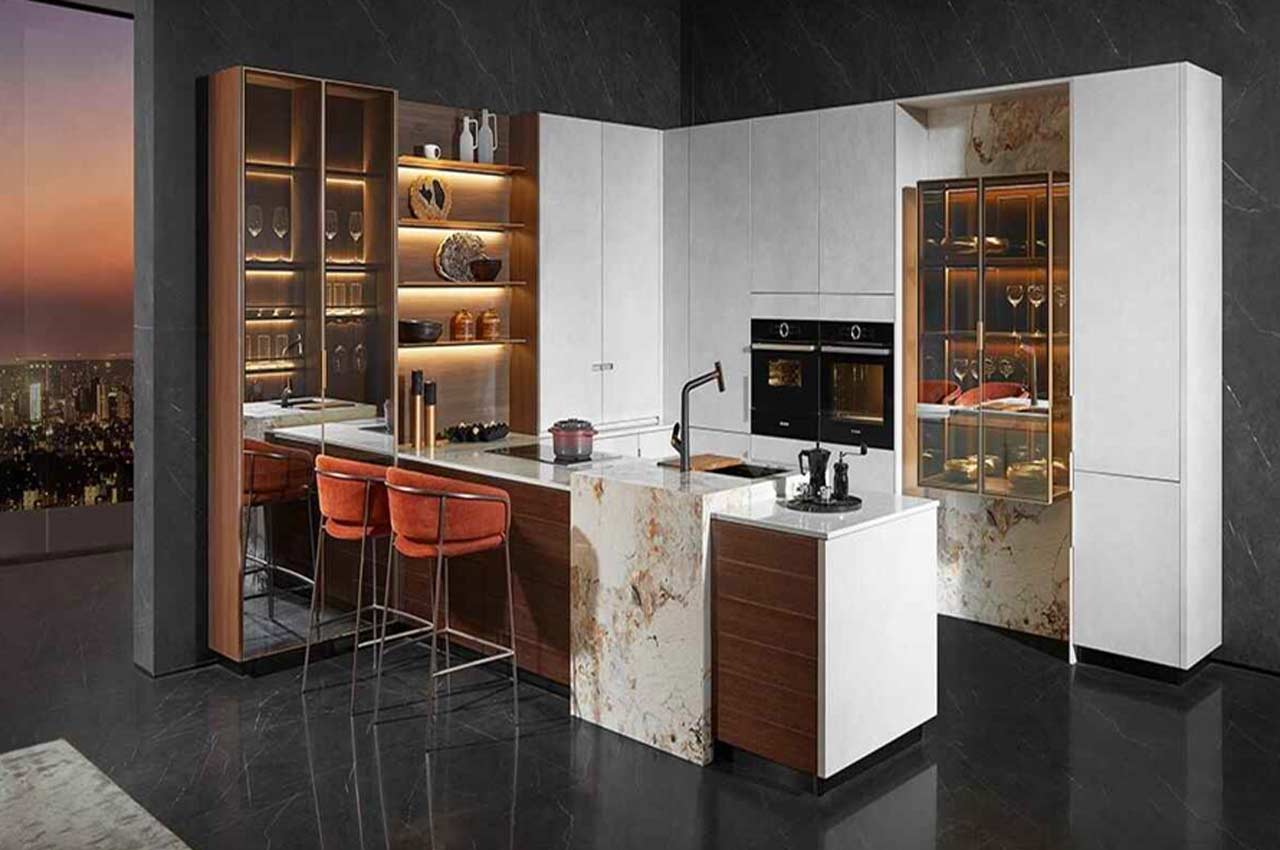
When I think about the heart of entertaining at home, my mind immediately goes to the kitchen. It’s where conversations flow as naturally as the wine, where appetizers materialize as if by magic, and where the most memorable moments often unfold, even when you’ve spent hours meticulously arranging the dining room. The modern entertaining kitchen isn’t just about cooking functionality—it’s about creating a space that allows you to be both an attentive host and an efficient chef, simultaneously.
The Evolution of Entertainment Kitchens
Remember the days when kitchens were closed-off rooms where hosts disappeared to prepare food, missing half the party in the process? Thank goodness design sensibilities have evolved! Today’s entertainment-focused kitchens embrace openness, flow, and multifunctionality. They’re designed with the understanding that people naturally gravitate toward food preparation areas and that hosts want to remain part of the conversation.
What often surprises people is how technical and strategic a truly effective entertaining kitchen needs to be. It’s not just about having a beautiful space—though aesthetics certainly matter—it’s about thoughtful layouts that facilitate effortless movement, conversation, and serving.
Layout: The Foundation of Flow
The Work Triangle… Reimagined
The traditional kitchen work triangle (connecting refrigerator, sink, and stove) still matters, but for entertaining, we need to expand our thinking. You’ll want to consider multiple work zones that can function independently. Think about it: how often during a party do you need someone to help prep vegetables while you’re plating appetizers?

Creating separate prep and cooking stations means multiple people can work simultaneously without bumping into each other. I recently redesigned a client’s space with dual islands—one for prep with a secondary sink, and another that faced the living area where guests could gather. The transformation in how they entertained was remarkable.
Open Concept, But Make It Practical
While completely open kitchens remain popular, I’ve been seeing a trend toward what I call “semi-open” designs. These spaces maintain visual connection with living and dining areas but incorporate subtle dividers—like elevated breakfast bars or partial walls with pass-throughs—that hide some of the inevitable mess of cooking.
After all, who wants their guests staring at a pile of dirty pots while enjoying their meal? These thoughtful divisions maintain the social aspect of open kitchens while preserving a bit of the host’s dignity.
Storage Solutions: Hidden Efficiency
Specialized Cabinetry
Storage might seem like the least glamorous aspect of kitchen design, but it’s actually critical for entertaining with ease. Imagine hosting a dinner party and knowing exactly where every serving dish, specialty glass, and cocktail ingredient is located.
I recently visited a high end kitchen cabinets manufacturer who specializes in entertainment-focused solutions, and their innovations were genuinely impressive. Pull-out drawers sized perfectly for linens, vertical dividers for cutting boards and trays, and specialized compartments for barware transform how quickly you can set up and serve.
The Appliance Garage 2.0
Nobody wants to see a cluttered countertop, but entertainers need quick access to appliances. The modern solution? Sophisticated appliance garages and specialized cabinets that keep mixers, blenders, and coffee machines at the ready but hidden when not in use.
Some of my clients have installed cabinet systems with retractable doors that can be opened during active cooking and closed with the push of a button when guests arrive. These aren’t just convenient—they’re conversation starters in themselves.
Appliances: Performance Meets Presentation
Double Up on Essentials
If there’s one thing I’ve learned from decades of designing entertainment kitchens, it’s that duplicates of key appliances are worth every penny. Double dishwashers, for instance, are game-changers for serious entertainers. One can be running while the other is being loaded, allowing for continuous cleanup during longer gatherings.
Similarly, beverage refrigerators keep drinks accessible without guests repeatedly opening the main refrigerator. And speaking of refrigeration—drawer refrigerators strategically placed at the kitchen’s perimeter give sous-chefs access to ingredients without disrupting the primary cook’s flow.
The Statement Range
Interestingly, high-performance ranges have become the status symbol of entertainment kitchens. Beyond their cooking capabilities, they serve as visual anchors and conversation pieces. But don’t be fooled by appearance alone—if you’re serious about entertaining, investing in powerful ventilation is equally important. Nothing kills the mood of a dinner party faster than smoke alarms or lingering cooking odors.
The Island: Command Central
Size and Proportions Matter
If the kitchen is the heart of entertaining, the island is its pulse. But bigger isn’t always better. The ideal island is proportioned to allow conversation across it without shouting, typically between 3 and 4.5 feet deep. Length should allow for comfortable seating while maintaining at least 42 inches of clearance around all sides.
I once made the mistake of designing an oversized island that looked spectacular but ultimately created a barrier between the host and guests. Learn from my error—scale matters!
Multilevel Magic
For larger gatherings, consider a multilevel island with a raised bar area where guests can perch without being directly on top of the prep space. This creates a natural boundary between work and social zones while maintaining connection between them.
Finishing Touches for the Ultimate Host
Integrated Tech
Subtle technology integration elevates the entertaining experience. Think speakers discreetly built into cabinetry, charging stations hidden in drawers, and programmable lighting systems that transition from bright food prep illumination to warm, flattering dinner lighting with a single command.
The Butler’s Pantry Comeback
Come to think of it, one of the most valuable features for serious entertainers is a modern interpretation of the butler’s pantry. This secondary space—even if it’s just a generously sized alcove—provides storage for serving pieces, a landing zone for caterers, or simply a place to stash dirty dishes temporarily out of sight.
Finding Your Style
While functionality drives the decisions we’ve discussed, aesthetics certainly matter. I always advise clients to start gathering inspiration long before they begin their kitchen renovation. Visit a kitchen cabinet showroom to see and touch different materials and mechanisms. Photographs can be misleading—there’s no substitute for experiencing how a deep drawer glides or how a particular finish catches the light.
And finally, don’t forget that your entertaining kitchen should reflect your personal hosting style. Are you a cocktail party aficionado who needs an elaborate bar setup? Perhaps you’re known for elaborate Sunday brunches requiring specialized warming drawers and coffee stations? Or maybe intimate dinner parties are your specialty, suggesting you prioritize atmospheric lighting and comfortable conversation nooks?
Whatever your entertaining personality, your kitchen can and should be designed to enhance it. After all, the most important ingredient in any gathering isn’t found in your refrigerator or pantry—it’s the genuine connection that happens when people come together around good food and conversation.