 Turbocharged engines have become the norm in modern vehicles, offering the efficiency of a small engine with the power of a larger one. But this boost in performance brings unique mechanical challenges. Among the most critical, yet often overlooked, areas is oil filtration. Turbo engines operate under significantly more demanding conditions than naturally aspirated engines, and this requires oil filters to meet a much higher standard.
Turbo Systems Increase Heat and Stress
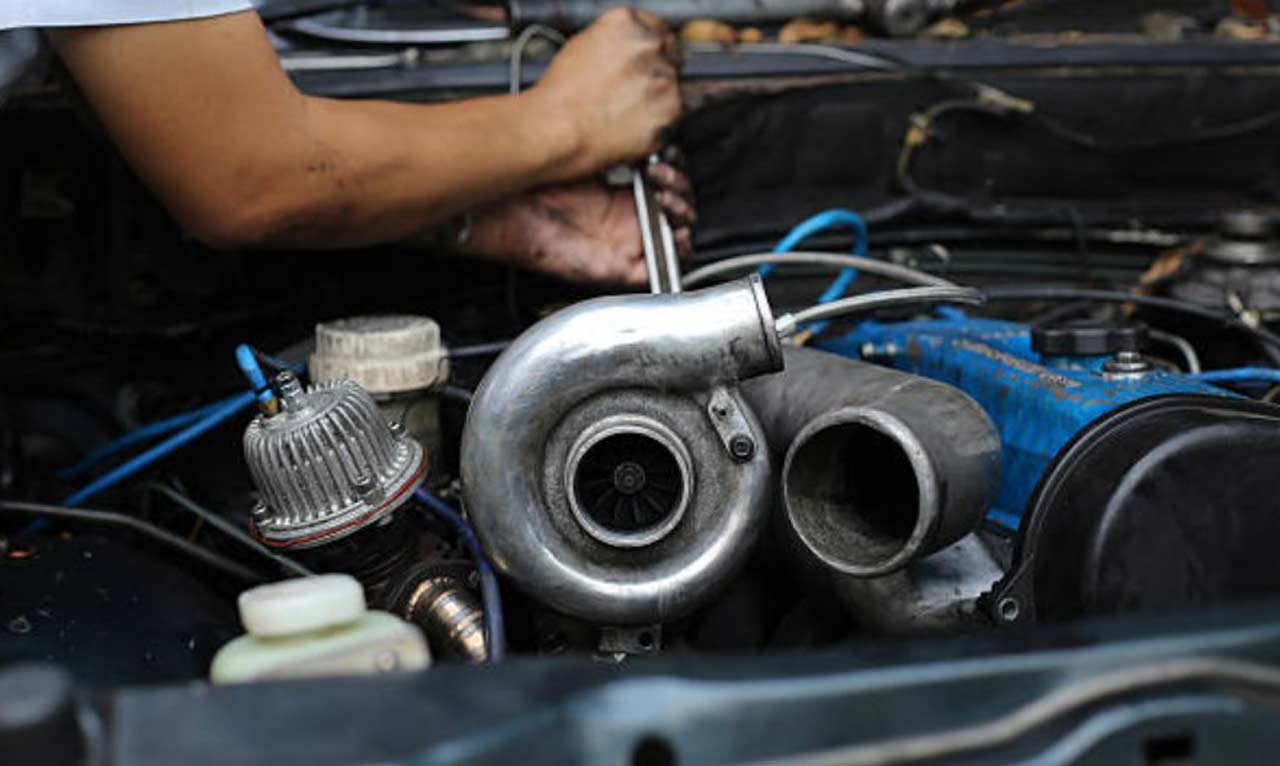
A turbocharger can spin up to 250,000 RPM and is exposed to extreme heat from exhaust gases. This creates intense thermal conditions that degrade engine oil more rapidly. As oil breaks down, it forms sludge, carbon deposits, and oxidised particles. These contaminants are harmful enough in a standard engine, but in a turbocharged system, they can become catastrophic.
That’s because the turbocharger relies on a consistent flow of clean oil to lubricate its fast-moving shaft and bearings. Contaminated oil not only reduces lubrication but can also cause blockages in the narrow oil galleries that feed the turbo. A clogged line or delayed flow, even for a few seconds, can lead to accelerated wear or total failure.
Tighter Tolerances Leave No Room for Error
Turbochargers operate with extremely fine clearances, where even microscopic debris can cause damage over time. Standard oil filters may not fully prevent abrasive particles from circulating, so turbo engines need filters with:
- High filtration efficiency
- Reliable bypass valve function
- Strong structural integrity
Why Turbo Engines Need Specialised Filters
Turbocharged engines face:


- Elevated oil temperatures
- Pressure surges during hard acceleration
- Narrow oil passages that require clear, clean oil flow
Filters for Turbocharged Engines
Here’s a closer look at Ryco oil filters suited for various engine types:
- Ryco Oil Filter Z436: Suited for common passenger cars and smaller SUVs; balances efficiency and flow for standard to moderate demand.
- Ryco Oil Filter Z547: Designed for larger engines and luxury vehicles; handles higher pressure and heat for performance applications.
- Ryco Oil Filter Z79A: Covers a broad range, including sporty and older models; includes relief and anti-drain back valves for startup protection.
These filters ensure stable oil flow and superior filtration under turbocharged conditions, helping to protect engine health and longevity.
Oil Circulation and Pressure Stability Are Critical
Oil flow stability is one of the most critical factors in turbo engine health. The filter must allow oil to move freely under pressure, especially during cold starts and hard acceleration. At the same time, it must effectively trap contaminants without causing excessive restriction. An inefficient or poorly constructed filter can collapse, leak, or allow dirty oil to recirculate, problems that might go unnoticed until turbocharger damage has already occurred.
In varied driving conditions, from frequent stop-start traffic to high-temperature motorway runs, maintaining this balance becomes even more important. The right filter protects not just the turbo, but the entire lubrication system.
The Small Component That Makes a Big Difference
Turbocharged engines are high-performance machines that require a correspondingly high level of care—particularly when it comes to oil filtration. The combination of extreme heat, higher pressure, and tighter tolerances means that standard oil filters simply aren’t enough. Using filters specifically suited to turbo environments helps ensure consistent oil flow, cleaner lubrication, and longer component life. In the long run, paying attention to this small part plays a big role in preserving turbo performance and preventing costly repairs.