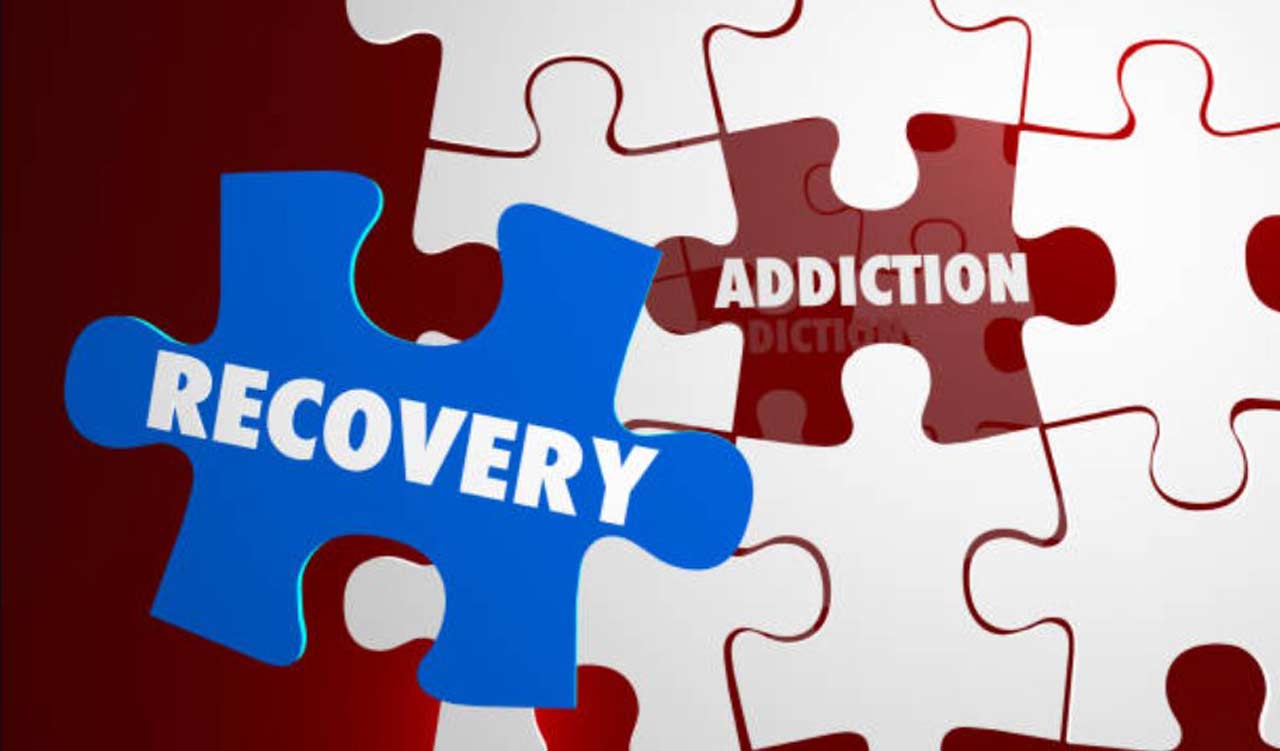
 Addiction recovery is not a single event, but a lifelong journey of healing and transformation. Whether the addiction is to alcohol, drugs, or other substances, the process of recovery involves restoring health, rebuilding relationships, and reclaiming a sense of purpose.
With the right support, treatment, and strategies, millions of people worldwide find freedom from addiction every year.
1. What is Addiction Recovery?
Addiction recovery refers to the process of overcoming physical, psychological, and social dependence on substances. Recovery isn’t simply abstinence from drugs or alcohol — it’s about building a healthy, meaningful, and sustainable life.
The Substance Abuse and Mental Health Services Administration (SAMHSA) describes recovery as:
“A process of change through which individuals improve their health and wellness, live a self-directed life, and strive to reach their full potential.”

2. The Stages of Recovery
Recovery is best understood as a series of stages, each with unique challenges and needs:
1) Recognition & Readiness
- Admitting there’s a problem is often the hardest step.
- Motivation for change may come from health scares, family intervention, or personal realization.
2) Detox & Withdrawal
- Medically supervised detox may be required to manage withdrawal safely.
- This stage clears the body of substances and prepares for long-term treatment.
3) Rehabilitation (Inpatient/Outpatient Treatment)
- Involves structured therapy, group sessions, and often medication-assisted treatment.
- Focuses on identifying triggers, learning coping skills, and repairing damaged relationships.
4) Early Recovery & Transition
- Individuals return to daily life, work, or school with new habits.
- High risk for relapse during this stage without strong support systems.
5) Long-Term Recovery & Maintenance
- Ongoing therapy, peer support, and healthy routines reduce relapse risk.
- Many find fulfillment in helping others who are just beginning recovery.
3. Core Elements of Successful Recovery
Mental & Emotional Healing
- Addressing co-occurring disorders (depression, anxiety, PTSD) is vital.
- Cognitive Behavioral Therapy (CBT) and mindfulness practices help reframe negative thought patterns.
Physical Health
- Nutrition, exercise, and sleep hygiene accelerate healing and mood stabilization.
- Reversing deficiencies (vitamins, minerals, protein) supports energy and brain repair.
Social & Environmental Support
- Healthy relationships protect against relapse.
- Safe housing, employment, and sober communities provide structure and accountability.
Spiritual & Personal Growth
- For many, spirituality, faith, or mindfulness provides strength.
- Others find meaning in volunteer work, new hobbies, or advocacy.
4. Challenges in Addiction Recovery
Recovery is empowering, but it comes with hurdles:
- Cravings & Triggers: Stress, social cues, or certain places can spark relapse urges.
- Stigma: Judgment from society can discourage seeking help.
- Mental Health Struggles: Depression and anxiety may worsen during early sobriety.
- Relapse: Common, but not a failure — rather, a signal to adjust treatment and supports.
5. Strategies That Support Long-Term Recovery
- Therapy & Counseling – CBT, Dialectical Behavior Therapy (DBT), trauma therapy.
- Medication-Assisted Treatment (MAT) – when appropriate, for opioid and alcohol recovery.
- Peer Support Groups – Alcoholics Anonymous (AA), Narcotics Anonymous (NA), or SMART Recovery.
- Healthy Routines – exercise, structured sleep, and balanced meals.
- Relapse Prevention Plans – identifying personal triggers and coping strategies.
- Family Involvement – family education and counseling strengthen recovery outcomes.
6. Life After Addiction
True recovery is about more than just giving up substances — it’s about building a life worth living. Many in recovery discover:
- Improved physical and mental health
- Stronger relationships with loved ones
- Renewed sense of purpose and self-worth
- Opportunities to give back, mentor, and inspire others
Conclusion
Addiction recovery is a journey of courage, resilience, and growth. While the path is rarely easy, it is always possible with the right combination of treatment, support, and self-care. Every step — from detox to long-term maintenance — brings new opportunities to rebuild, rediscover, and thrive.